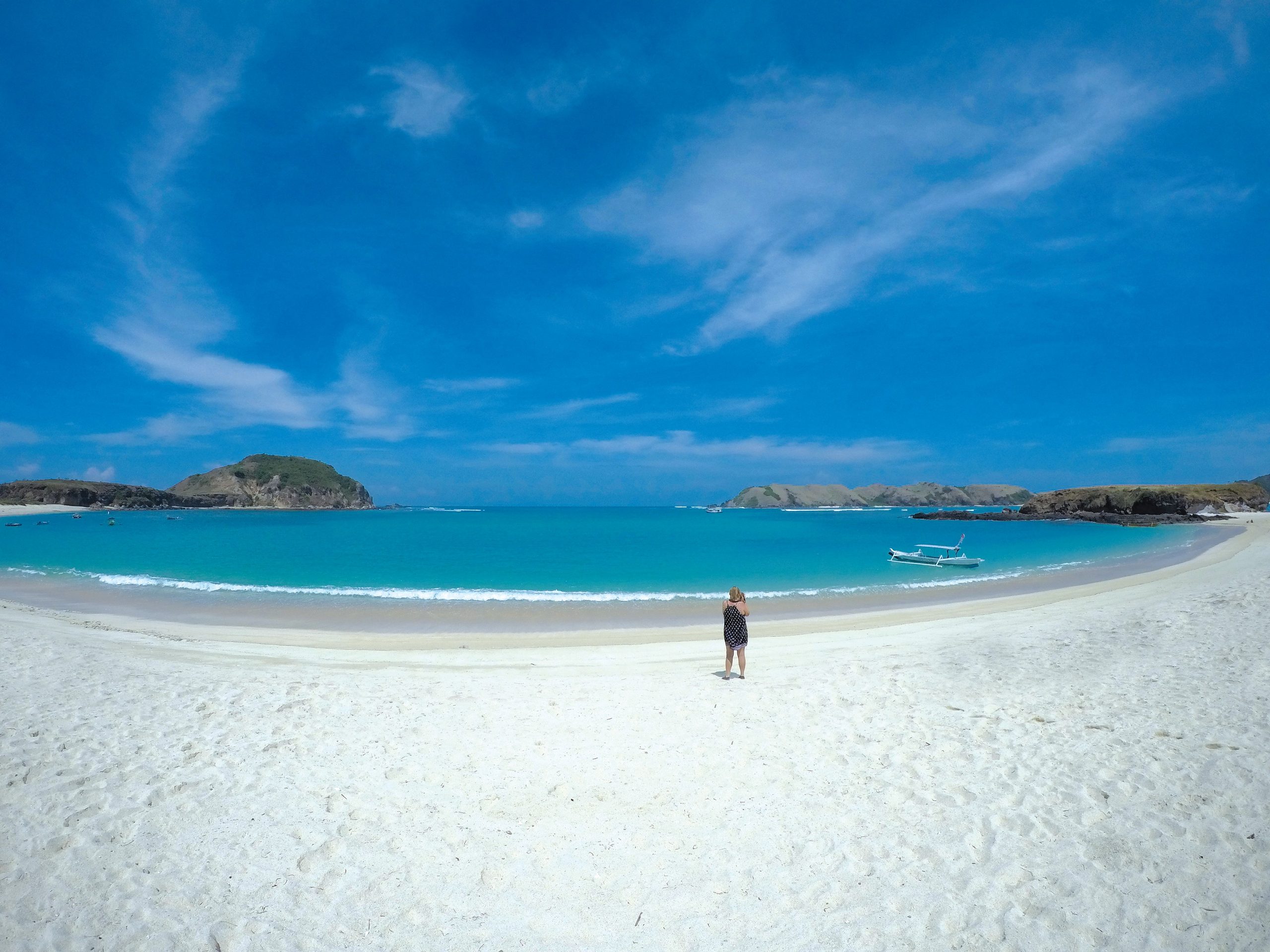
SPECIAL FEATURES
AMPENAN… A Walk Through Time
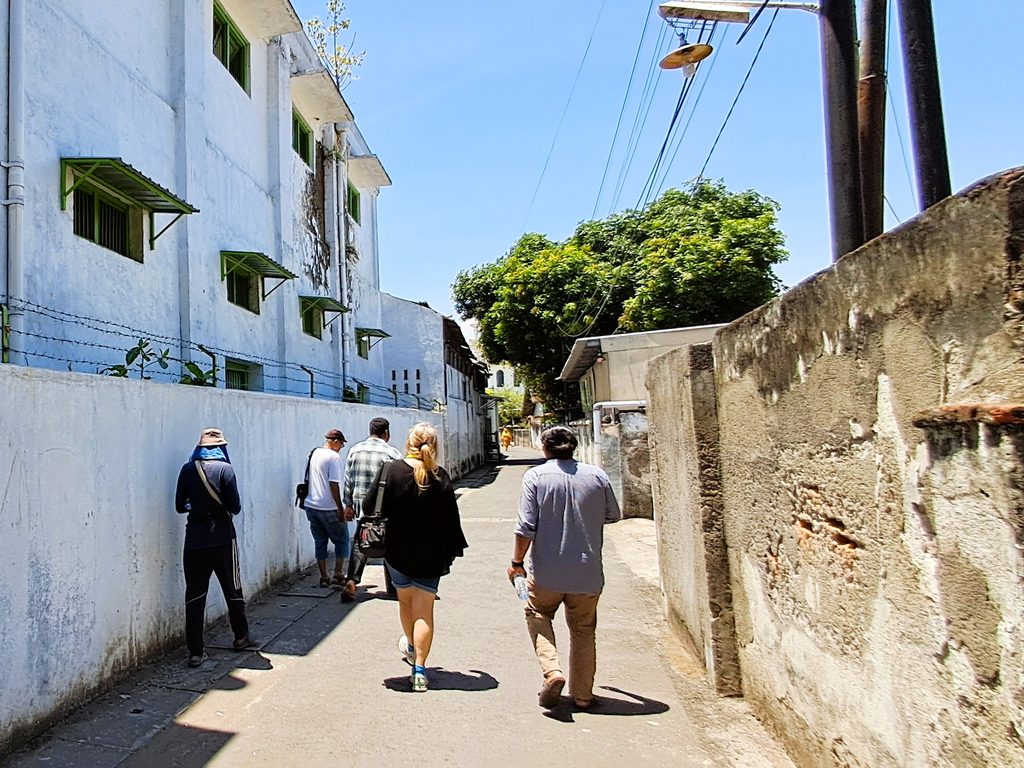
To many people driving through the town, Ampenan seems like just another small Indonesian city. But behind the bustle of the main roads lies a fascinating story of the time when the city was the original port for Lombok and known locally as “New York”!
Kota Tua Ampenan (the old city of Ampenan) is the oldest town on Lombok and was once the capital city of the island.
The port is located on the west coast, overlooking the Lombok Strait and bordered to the north by the Flores Sea and to the south by the Indian Ocean. In addition, Ampenan Port was once in the middle of long trade routes in Asia: between Australia – Singapore – India, and the Australia – Manila – China routes.
THE FABRIC OF LIFE
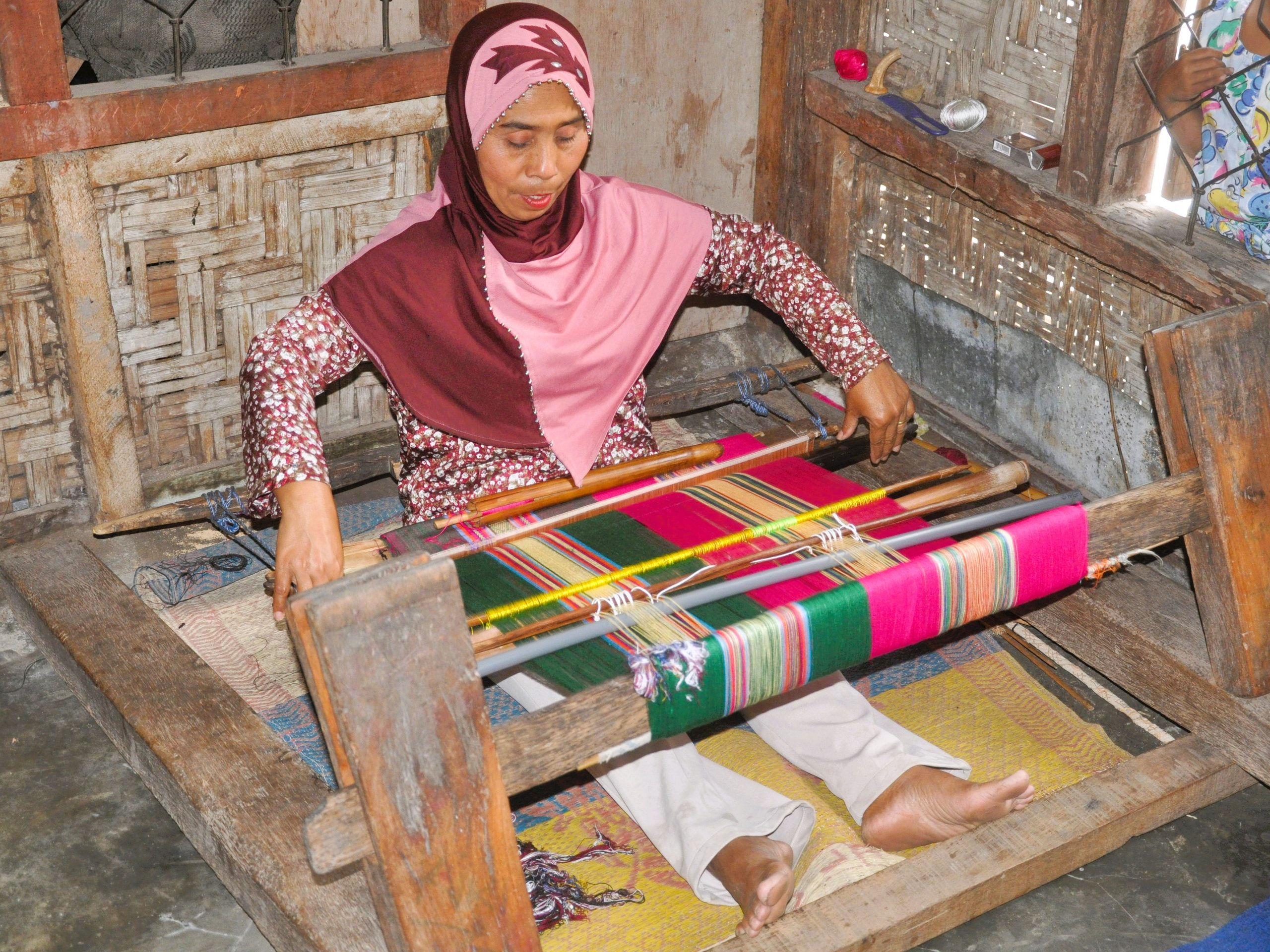
The tradition of weaving cloth in Pringgasela is so old no one quite knows where the original idea came from. All that the people of Pringgasela know is that weaving is the life-blood of their village and has been practiced for as long as anyone remembers.
The village of Pringgasela is located in East Lombok, around 65kms and around two hours’ drive from Senggigi. Together with the village of Sukarare in Central Lombok, it is famous throughout Indonesia for the traditional woven fabrics known as Ikat and Songket. There are many art shops in Pringgasela displaying different types of woven cloth for sale, but it is in the warren of small side streets that run through the village that visitors can get a close up look at the processes involved in creating this precious cloth.
BAMBOOZLED IN GUNUNG SARI!
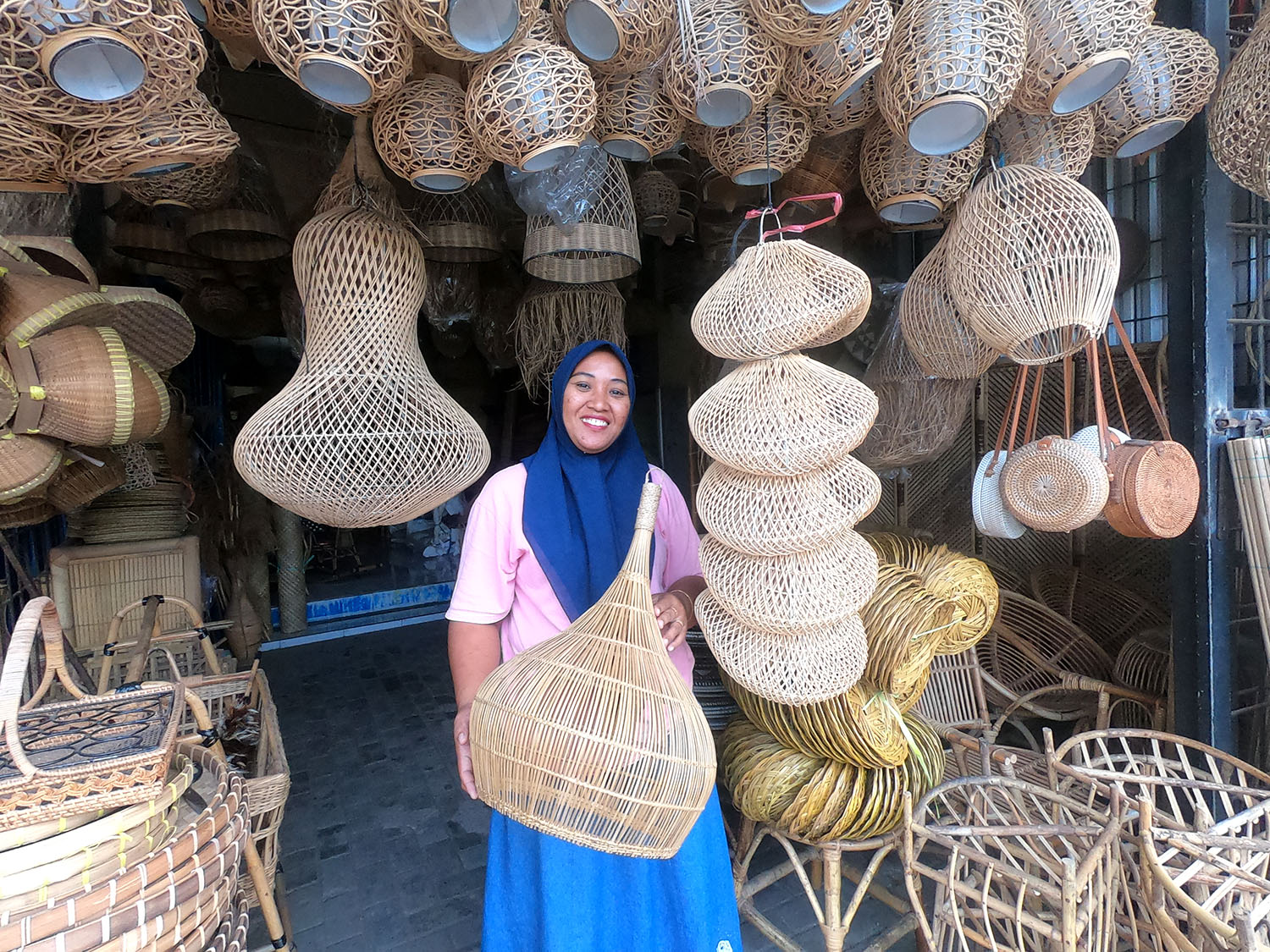
Bamboo – called bambu locally or bambusa vulgaris botanically – is one of the most versatile plants found in Lombok and is used extensively for everything from furniture to building construction.
Bamboo is actually a sub-species of grass and over 1500 varieties have been identified around the world. The plant can grow up to 60 centimetres (23.6 inches) in one day and reach a height of 18 metres (or around 60 feet).
Because bamboo is fast growing and readily available throughout the island, it has traditionally been used for centuries as a building material. Houses, huts and shelters are built using strong bamboo poles for the framework, while the outside walls and inner partitions are made from split bamboo lengths woven together into panels, called bedek.
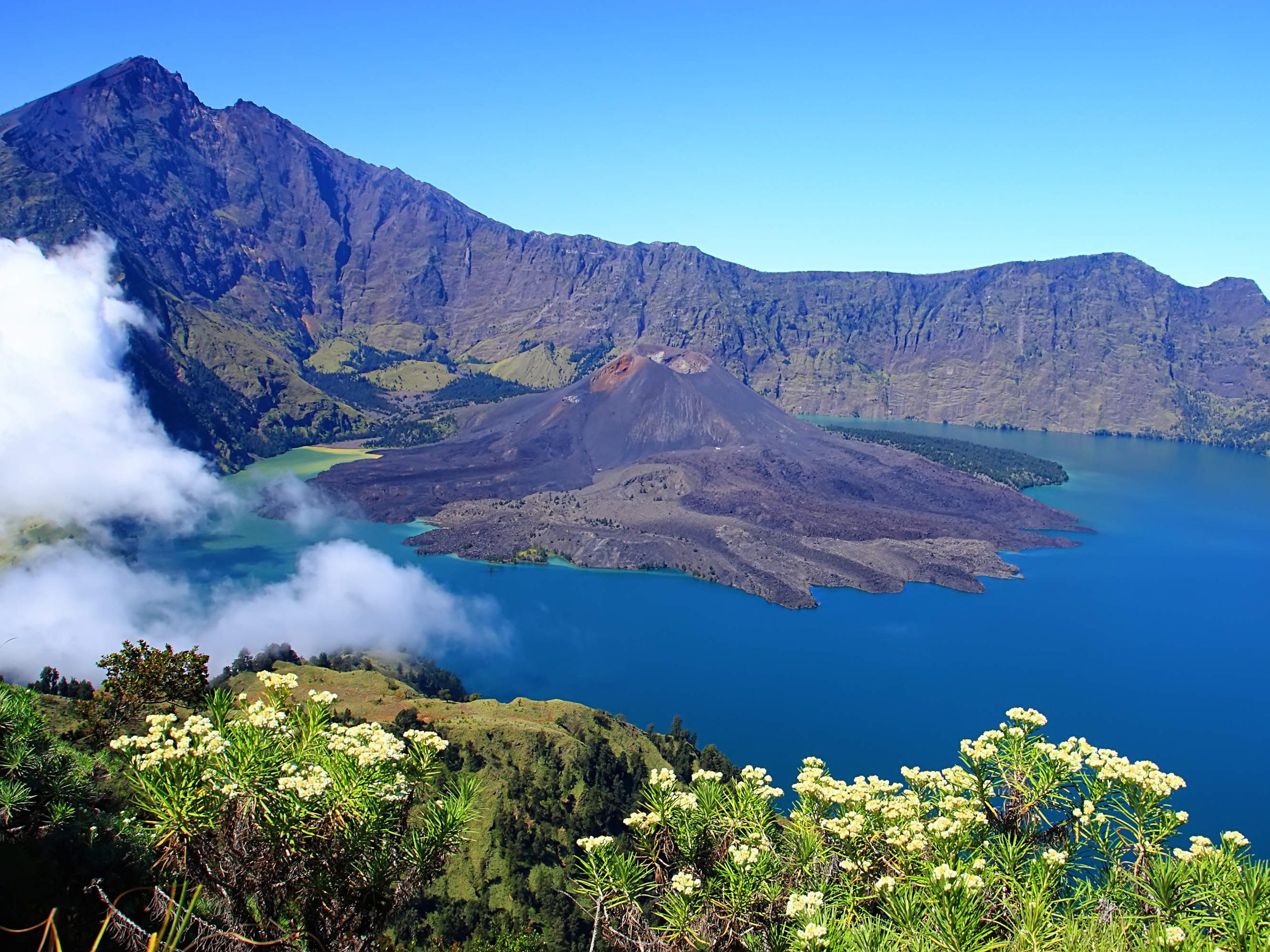
MOUNT RINJANI… Lombok’s Sacred Volcano
Lombok is home to many natural attractions, most notably the world-famous volcano, Mount Rinjani, located on the northeast of the island. Rinjani soars 3,726m above sea level and is the second highest volcano in Indonesia, annually attracting hundreds of thousands of trekkers and climbers to Lombok.
Particularly at this time of the year, during the European holidays and Lombok’s “high season”, visitors from around the world come to Lombok to climb Gunung Rinjani – either to its awe-inspiring crater lake, or to the demanding summit with its panoramic views across the ocean to Gunung Agung, Bali’s famous sister volcano. Gunung is Bahasa Indonesia for “mountain”.
SPEND TIME IN SEMBALUN
If the heat and humidity are getting to you and you long for some cooler temperatures, consider spending time in Sembalun.
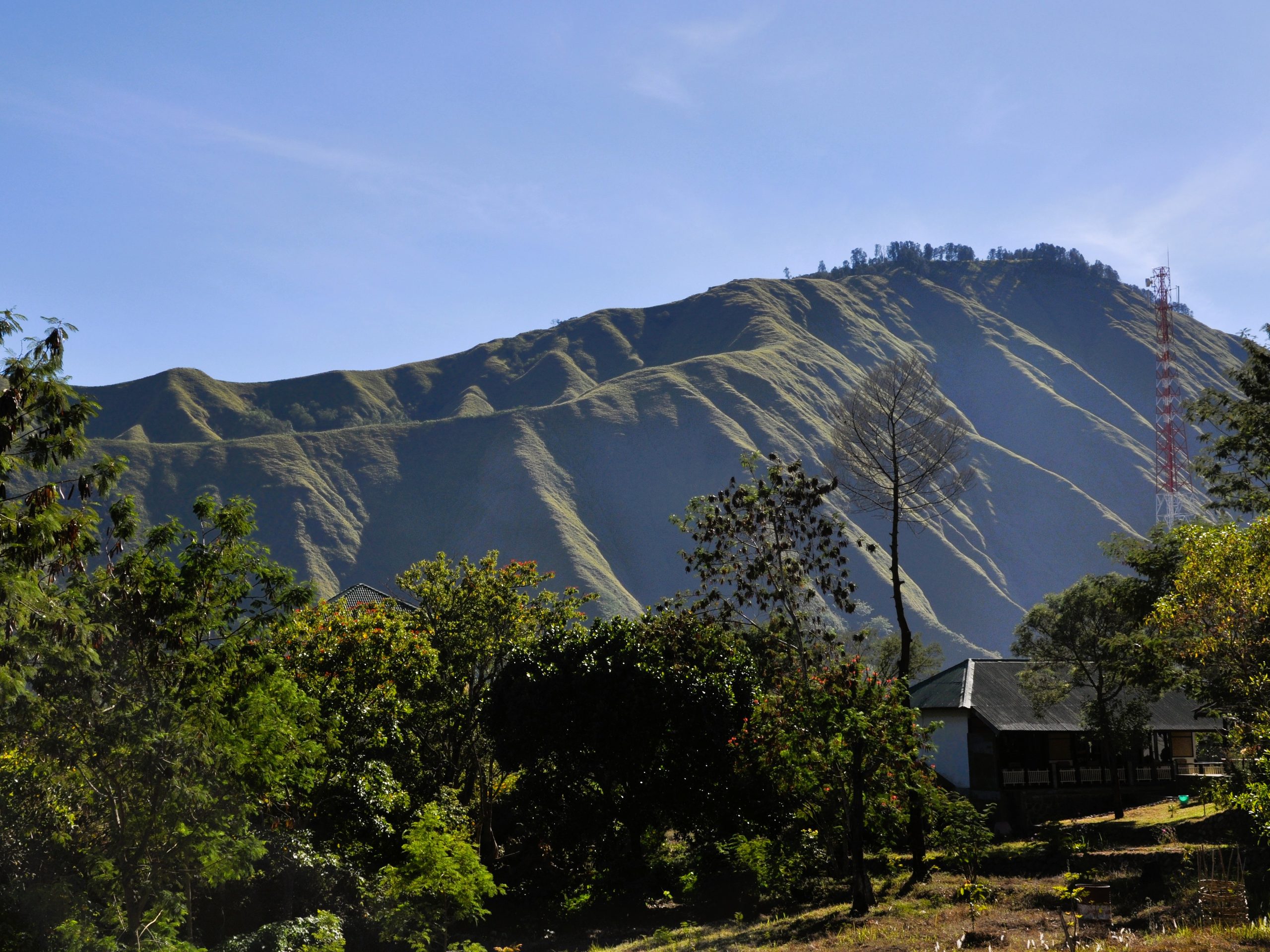
High on the eastern slope of Lombok’s magnificent Mt Rinjani volcano, and one of the two main gateways for climbing Rinjani, the air here is crisp and cool. Surrounded by towering mountains and deep valleys, clear blue skies and lush greenery, Sembalun is the perfect place to get away for a few days.
There is a wide range of accommodation available in and around Sembalun – ranging from hotels with swimming pools and private western style bathrooms, to simple rustic bungalows overlooking dramatic views, to tents and overnight camping trips to bring you closer to nature.
GILI GEDE… the Gateway to the Southwest Gilis!
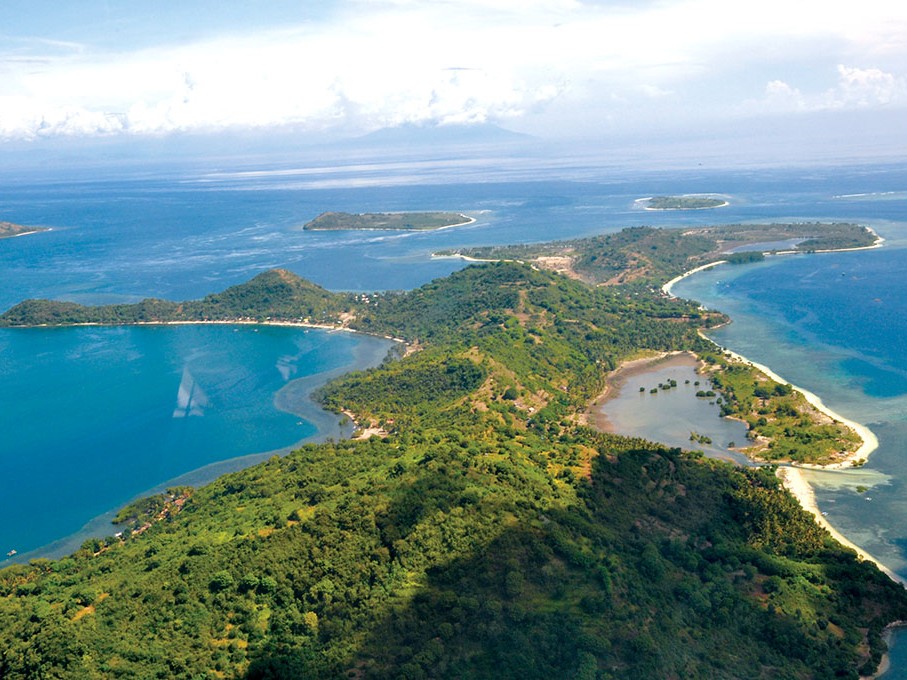
Rising out of the calm sea just off the southwest coast, the island of Gili Gede is so big that it is often mistaken for part of the mainland.
It’s only when you get closer that you see that it is actually separated from the mainland by a small stretch of ocean and is, in fact, a large island – hence the name ‘Gili Gede’, which, translated from the native Sasak language, means ‘Big Island’.
Gili Gede (pronounced ‘Ge-day’) is the largest of the southwest islands dubbed ‘the Secret Gilis’ – in contrast to the well-known ‘Gili Islands’ of Trawangan, Meno and Air off the northwest coast of Lombok.
The Secret Gilis are arguably Lombok’s best kept secret… thirteen pristine islands surrounded by clear blue waters, mostly undeveloped and only visited by the few who don’t mind wandering off the beaten track to discover their personal slice of paradise.
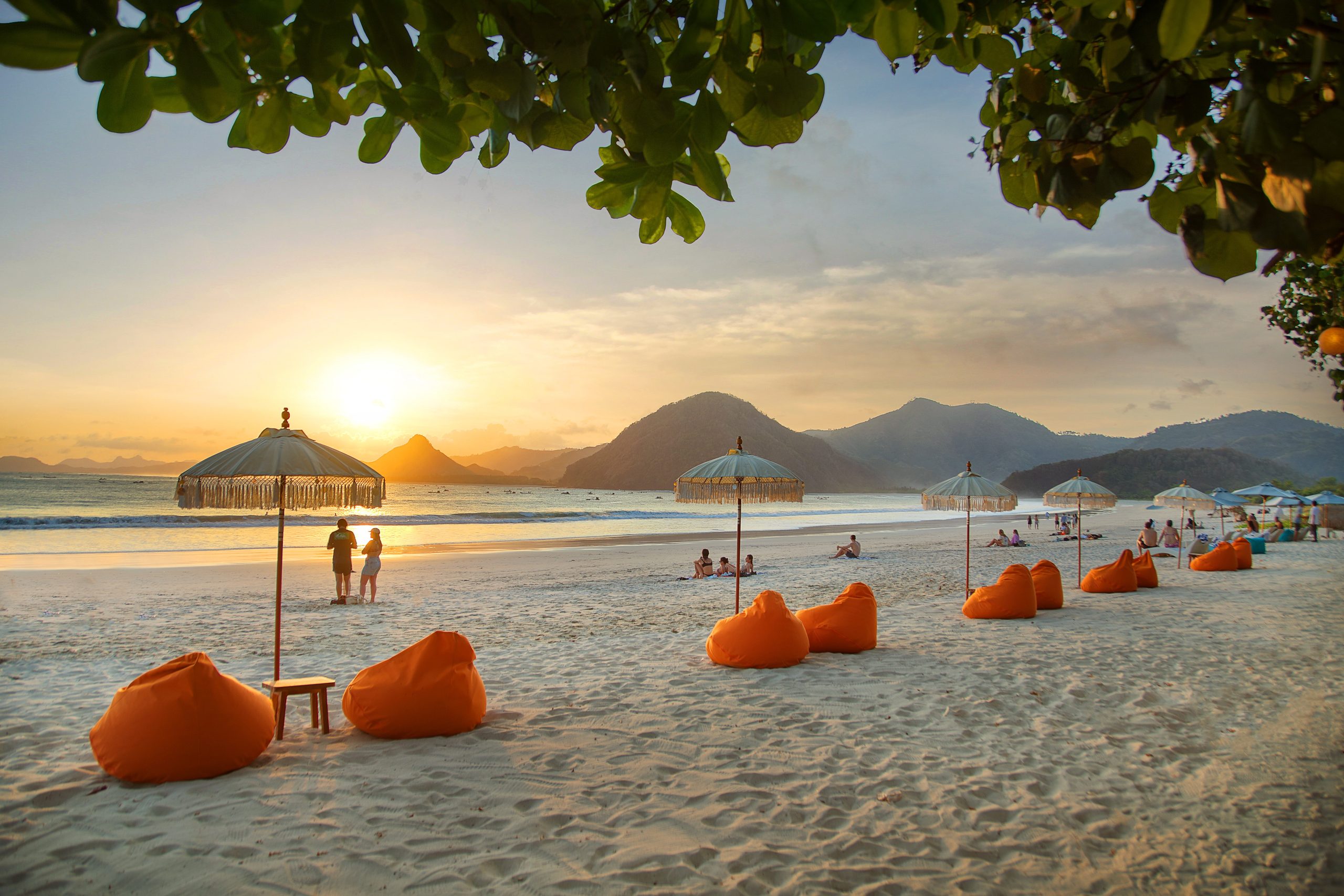
SELONG BELANAK From sleepy fishing village to world-class destination!
I remember back in 1993 or ’94 hearing about an amazingly beautiful beach on the south coast that few people ever visited or even knew about… and so we set off to find it.
Back in those days, there was no paved road from Kuta to the west and so we followed a rutted unsealed track into the unknown – winding our way through dusty villages and past stunning beaches until we finally came to the small turnoff the locals had described.
Crossing over a wobbly wooden bridge, we entered a sleepy little fishing village with makeshift shacks and dozens of perahu (local outrigger boats) pulled up on an unattractive section of beach. Nearby, the remains of a brick building – perhaps a small hotel – were slowly crumbling into ruins.
TETEBATU… A Natural Retreat in the Hills
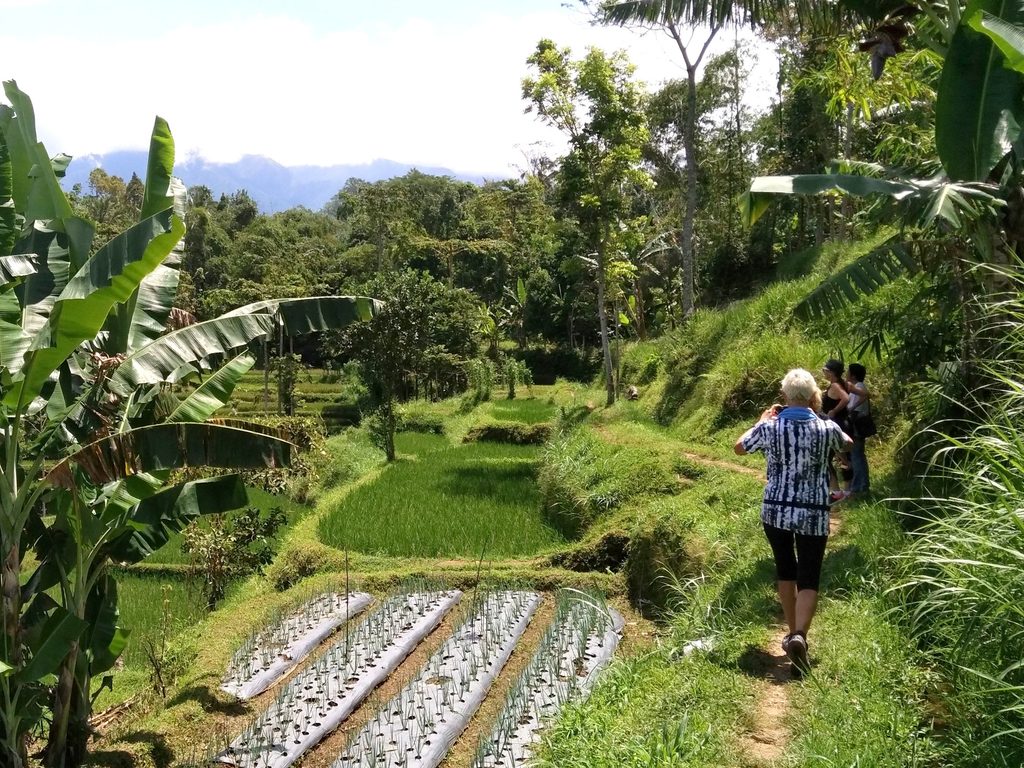
It’s rainy season in Lombok and, as we begin our drive up into the mountains, a gentle rain is falling through the sunshine. I take deep breaths of the unbelievably pure air coming through the car windows and feel a sense of peace and relaxation take hold.
We are travelling to Tetebatu – a village in the foothills of the Rinjani National Park, around 50kms from the city of Sweta and around two hours drive east of Senggigi.
As we travel up the small road, the scenery becomes more rural. Small villages or kampung soon give way to open spaces of rice fields filling the landscape with an almost impossible shade of green; brilliant emerald rice plants stretch for miles and march down the sides of the hills in stepped terraces.
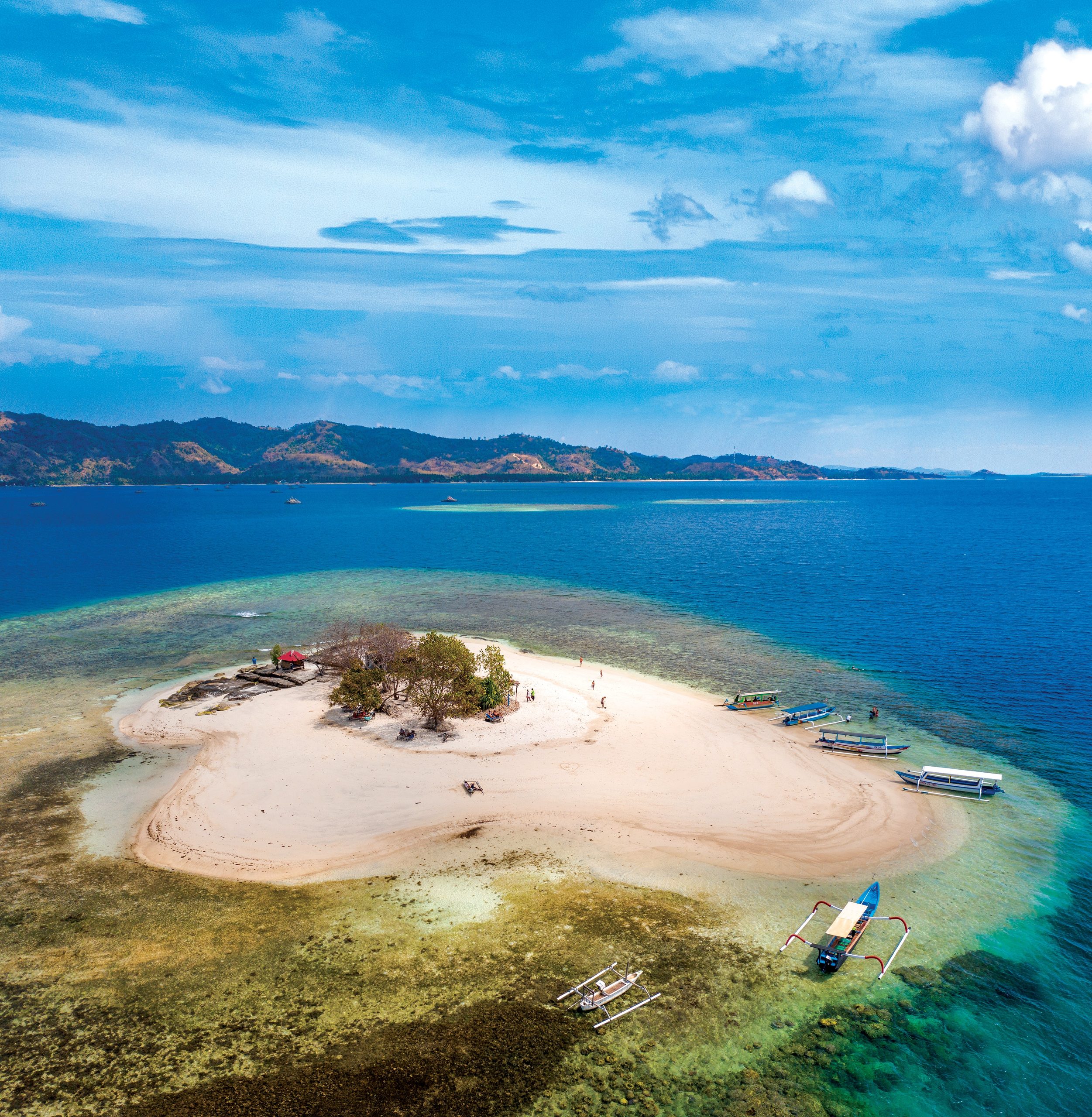
A tiny kiss in the ocean… GILI KEDIS!
When most travellers hear “Gili Islands,” they think of the famous trio off Lombok’s northwest coast – Gili Trawangan, Gili Meno, and Gili Air.
But Lombok is actually dotted with gili (small islands) all around its coastline, and some of the most beautiful can be found off the southwest coast in the Sekotong area.
Nicknamed “the Secret Islands,” the southwest gilis are perfect for those seeking a peaceful, off-the-beaten-path destination with fabulous snorkelling and stunning ocean views.
South of Lembar Harbour (the main port from Bali to Lombok), the small town of Tawun is the jumping-off point for exploring the first group of southwest gilis.
ESCAPE TO GILI NANGGU
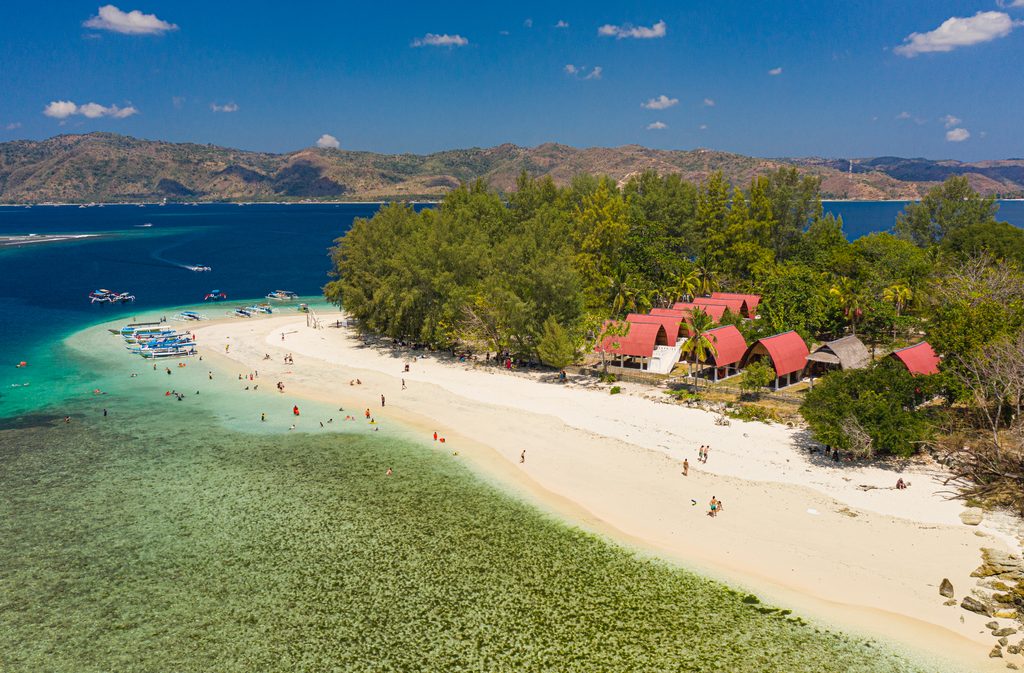
Lombok is an island of stunning beaches and breath-taking coastlines, with many small islands sitting just off the shore (locally called “Gili”, which means “small island”).
Perhaps the most famous of these are the three Gilis that sit off the northwest coast of Lombok – Gili Trawangan, Gili Meno and Gili Air.
However, there are many more small islands off the coast all around Lombok that are not yet developed for tourism, particularly those Gilis off the southwest coast, which offer many opportunities for those looking for the true “castaway tropical island” experience.
PURA GUNUNG AGUNG… Lombok’s Hidden Temple
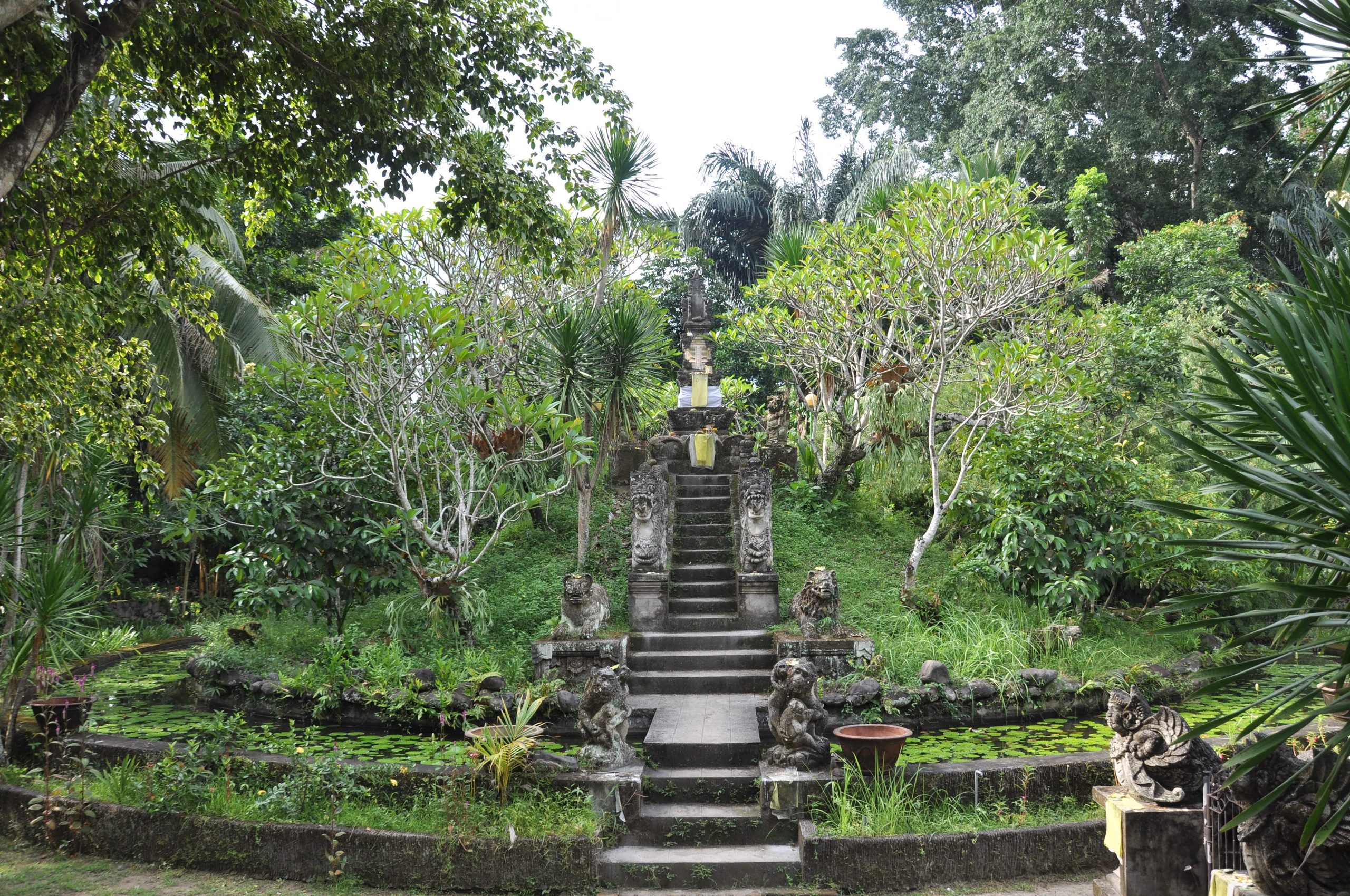
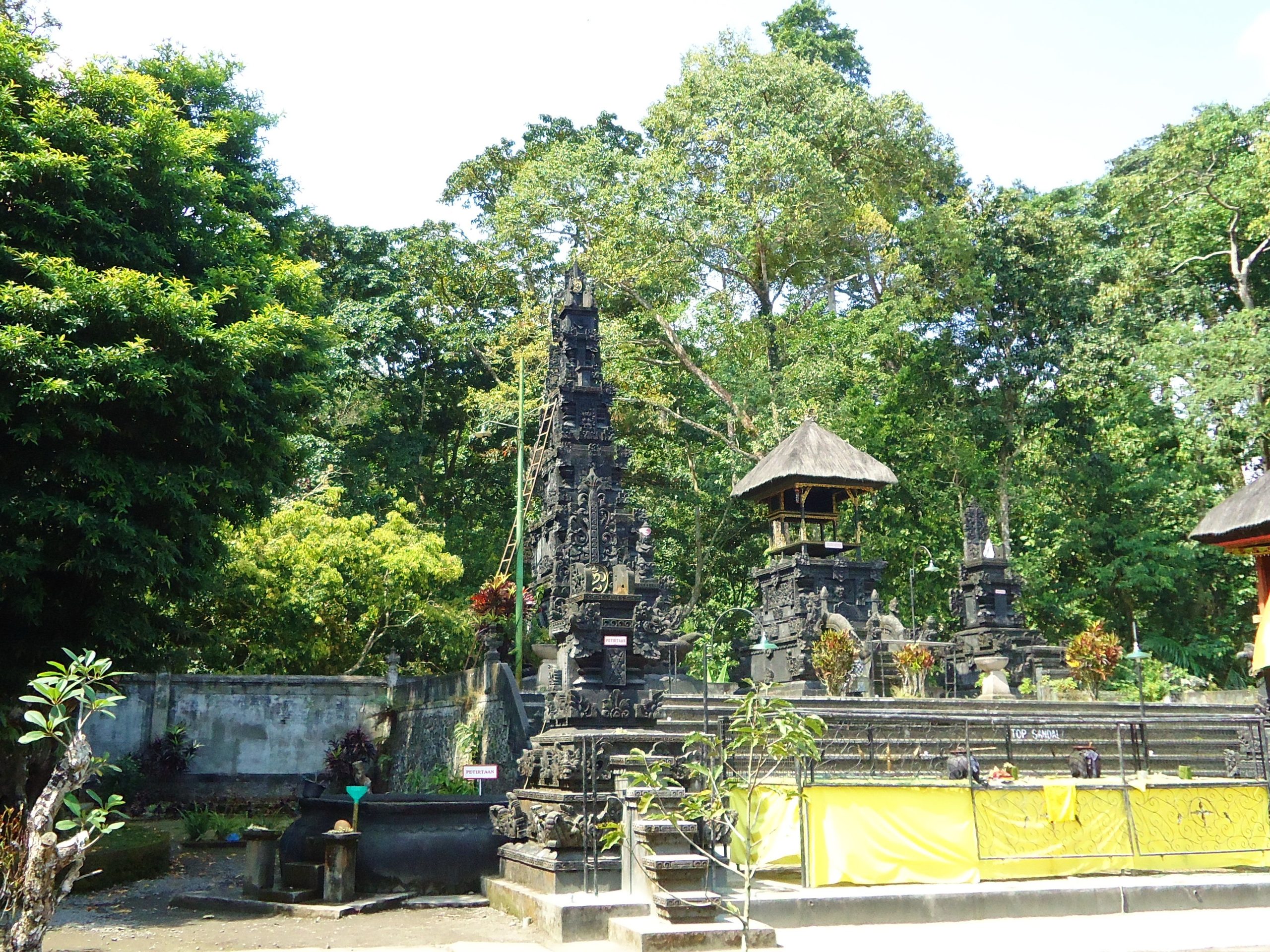
A couple of years ago, we decided to search for a mysterious Balinese temple in Gunung Sari. We’d heard snatches of information about this temple over the years but – as the main historic temples (such as Lingsar, Suranadi, Gunung Pengsong, Batu Bolong, etc) are so well known – it didn’t seem that such a little-known temple would be very important.
How wrong we were… this temple is easily one of the most beautiful temples in Lombok!
COOL AND HISTORIC … SURANADI
With the lovely mild weather in Lombok now, it’s a good time to take some road trips. One of our favourite areas is amongst the cool foothills of Narmada in West Lombok. The areas of Lingsar and Suranadi are only about 40 kms from Mataram and less than an hour’s drive from Senggigi.
From Senggigi, drive to the intersection at Kebon Roek market near Ampenan, turn left and continue along that road straight through the round-about at the old Selaparang Airport, and along Jalan Jendral Sudirman (the road east of the airport).
THE SACRED TOMBS OF LOANG BALOQ
Most Indonesian people believe that old shrines and tombs hold special mystical powers, and this is particularly true if the shrine or tomb is the resting place of an influential public figure, such as a famous scholar.
In Lombok, Makam Loang Baloq is one of the most famous tombs on the island and considered sacred by the local Sasak people.
If you are driving south of Ampenan on the main road to the airport (Jalan Lingkar Selatan Tanjung Karang), you will always see tourist buses and cars lining the road outside of Loang Baloq.
The tombs are busy at any time of the year and especially packed with pilgrims at Idul Fitri, Lebaran Topat and other religious public holidays throughout the year.
LOMBOK’S ICONIC LUMBUNG
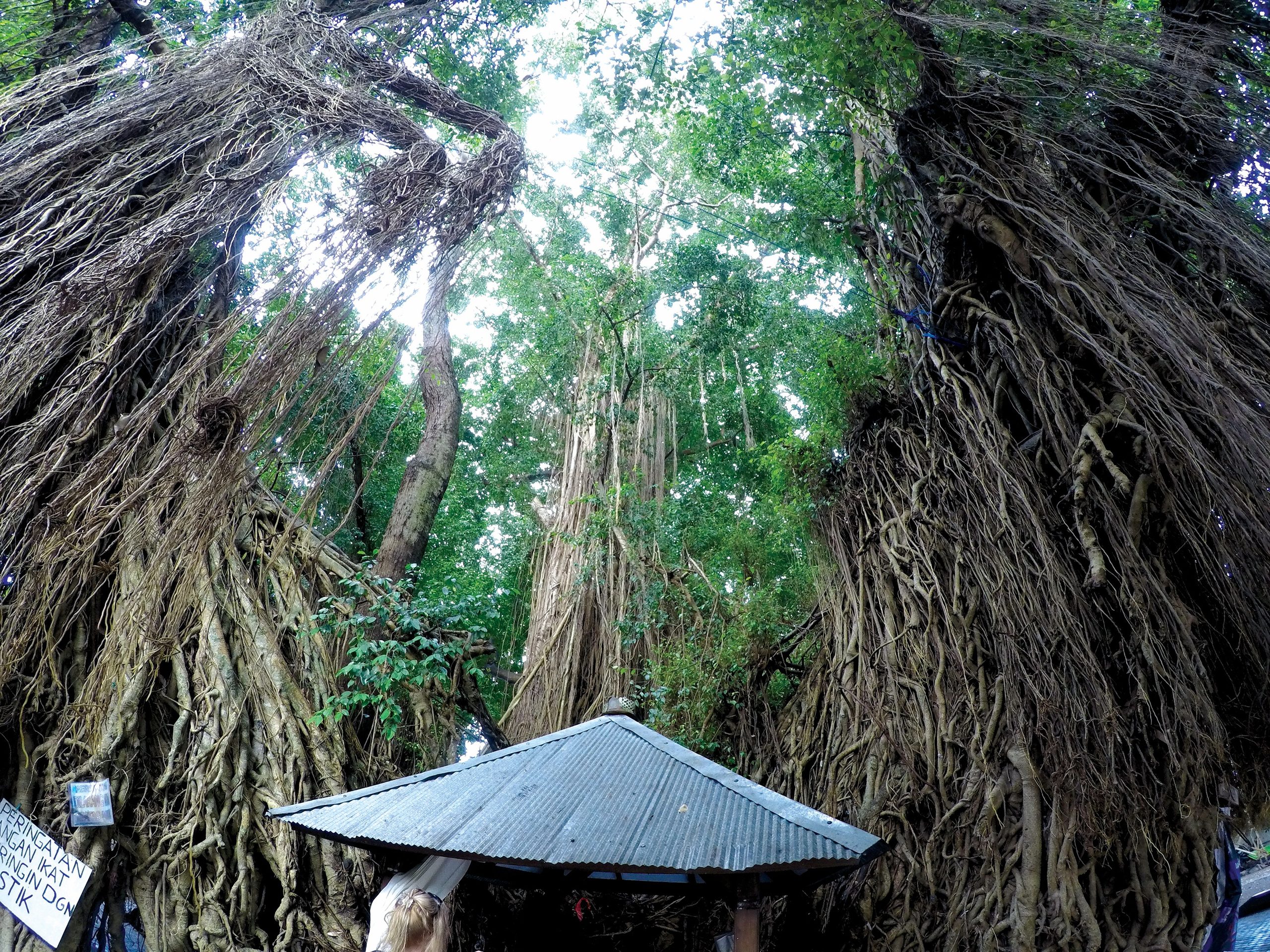
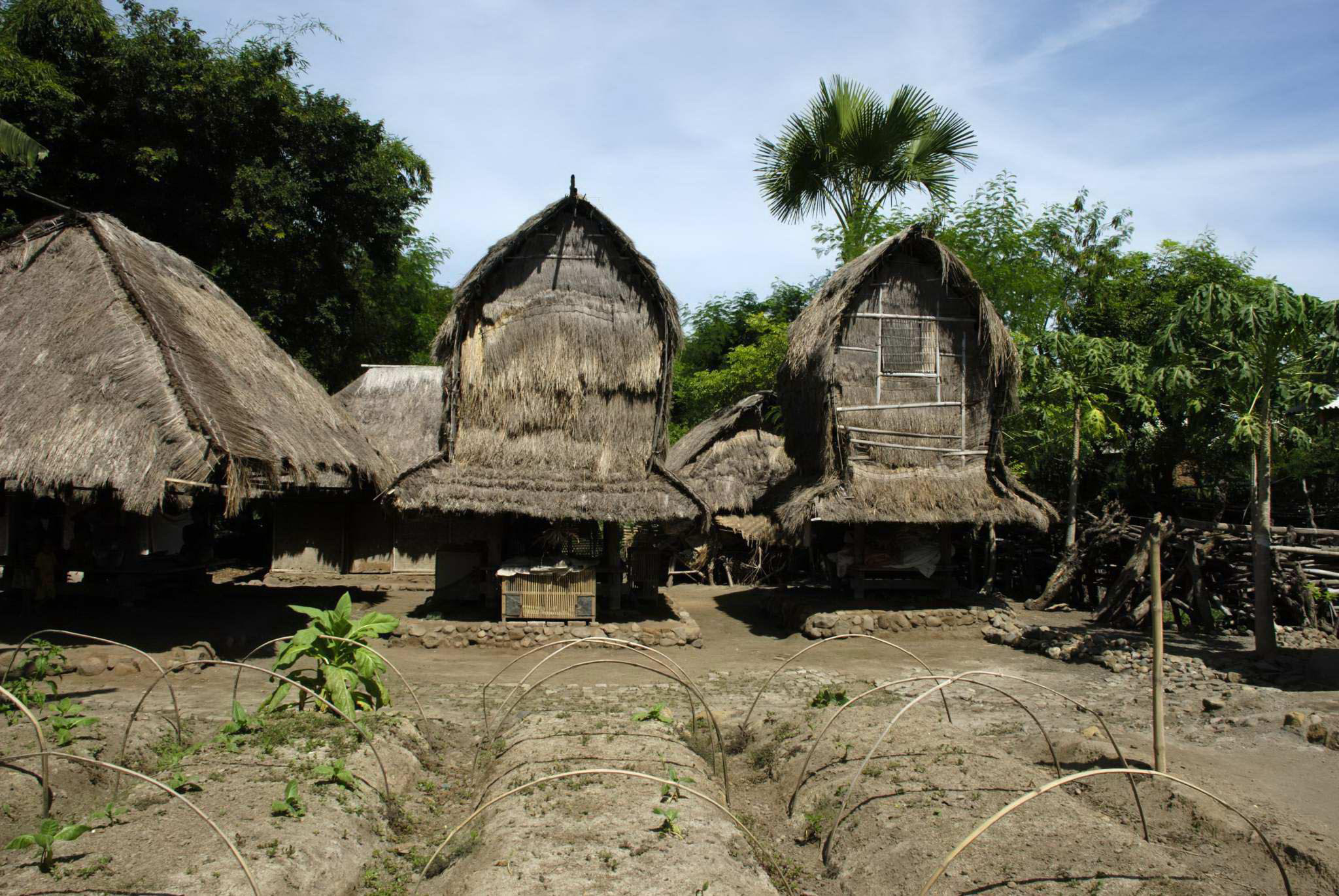
Lombok’s unique ‘Lumbung’ architecture, with its distinctive rounded and arched roof, has become one of the most recognisable symbols of the island.
The word Lumbung, in the indigenous Sasak language, generally refers to a ‘rice barn’ – the thatched roofed building where sheaves of harvested rice are stored for future use.
Newly harvested and properly dried sheaves of rice will last up to a year in these barns.
In the past, each village would have originally had its’ own Lumbung, some of which would be communal, while larger land owners would have their own private rice barns.
EXPLORE GILIS… Island Holidays Made Easy!
Planning a holiday can be a daunting task. Working out air fares, transport to and from the airport, whether to visit more than one destination or just stay in one place, and the logistics of how to move from one place to another, can all get overwhelming.
Now “Explore Gilis” has made it easy! Spanning the popular islands of Bali, Gili Trawangan and Gili Gede, this business organises everything for travellers – whether they want to stay in just one holiday destination or experience all three. Stay in top-rated properties at each destination and be pampered with superior guest services to make your holiday a breeze.
PLANNING YOUR GILI GETAWAY
Every week we receive emails and messages from people asking if they can combine a trip to the Gilis with other areas on mainland Lombok.
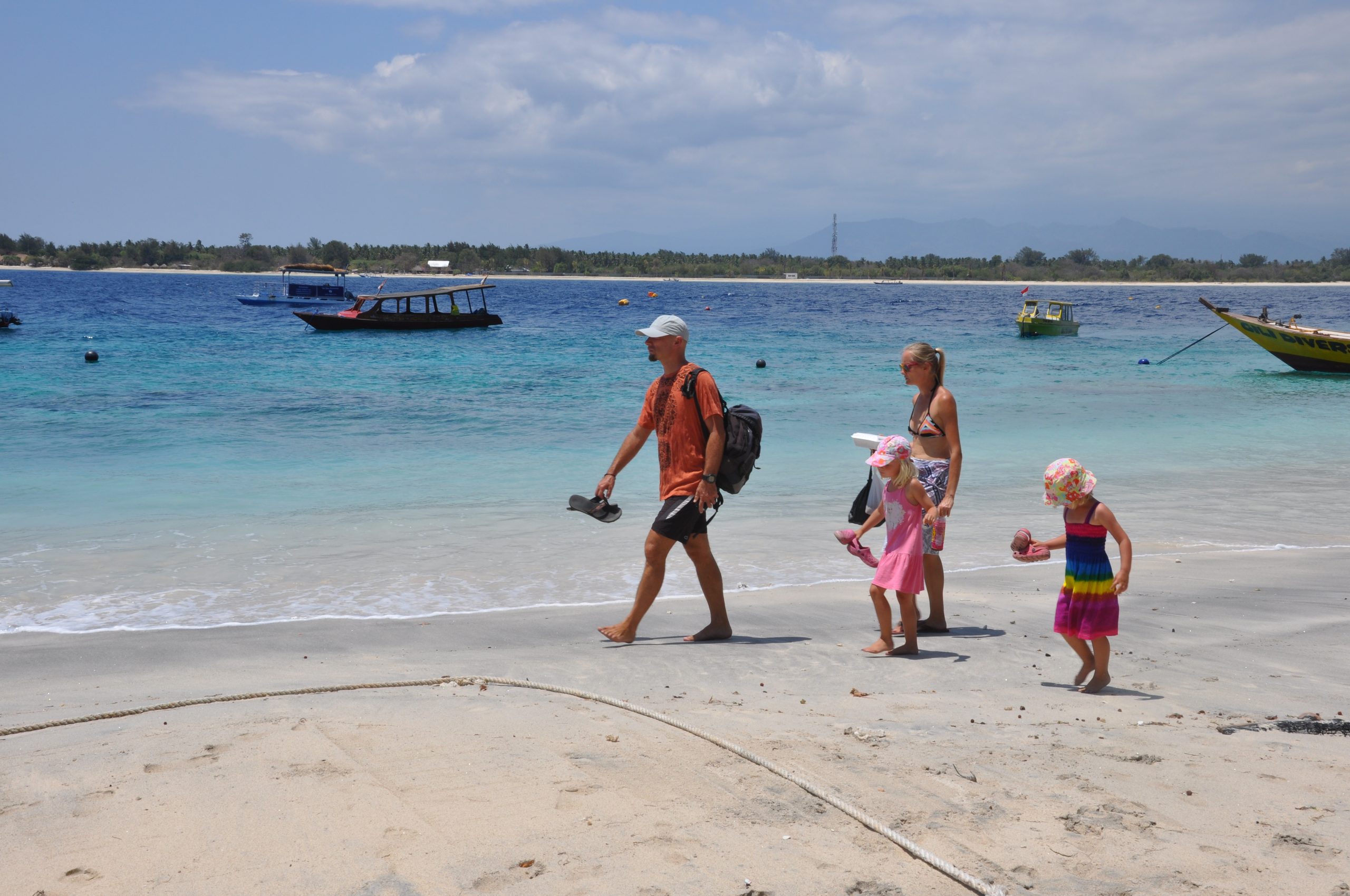
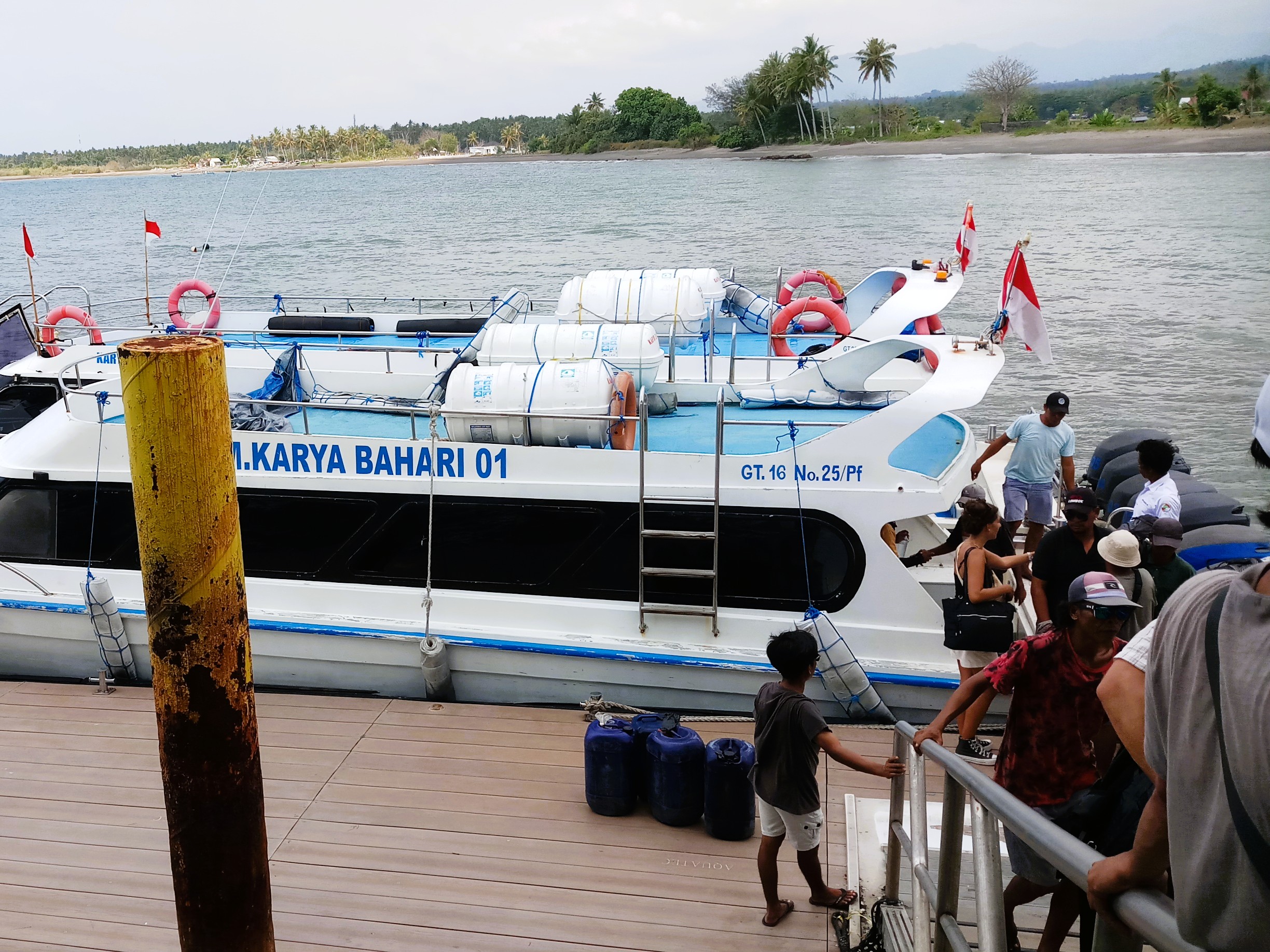
When planning your Gili Getaway, make sure you factor in travelling times. Most people visiting the Gilis come via fast boats from Bali, so you need to think about how long you will spend travelling to and from the islands, depending on where you are staying in Bali.
If you only have a few days to spend on the Gilis, consider your first and last days as travel days, including checking out of your hotel and getting to whichever harbour you are catching your fast boat from.
If you are staying in the south of Bali, transfers to Serangan Harbour (near Benoa Harbour), are fast but you’ll spend longer on the boat travelling to the Gilis.
OFF THE BEATEN PATH WITH E-ONE TOURS & TRAVEL
The Persians called them “children of light” and believed they were the tears of the gods. The Chinese thought that the moon gave them their power to glow. Pearls… timeless, classic, precious gifts from the sea.
Lombok is famous for its pearls and the island attracts buyers from all over the world to purchase pearls harvested in our clean oceans.
While visitors to Lombok will find plenty of sellers on the beaches hawking cheap, low grade pearls from China; authentic South Sea pearls are a different matter entirely.
We are fortunate to have one of the world leaders in pearl production and pearl jewellery design – Autore Pearls – based in Lombok.
KUTA HORSES… Discover Paradise on Horse-Back
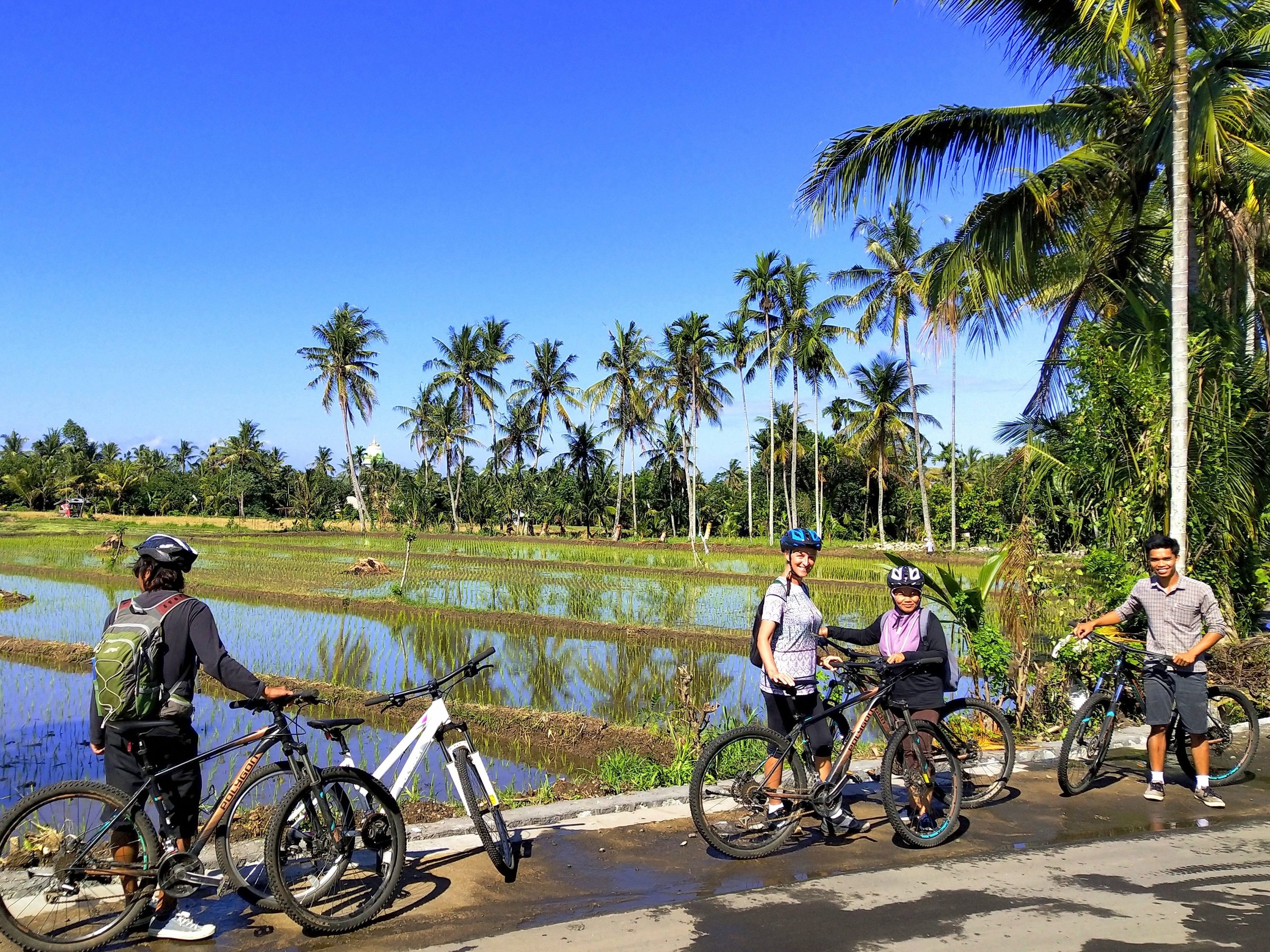
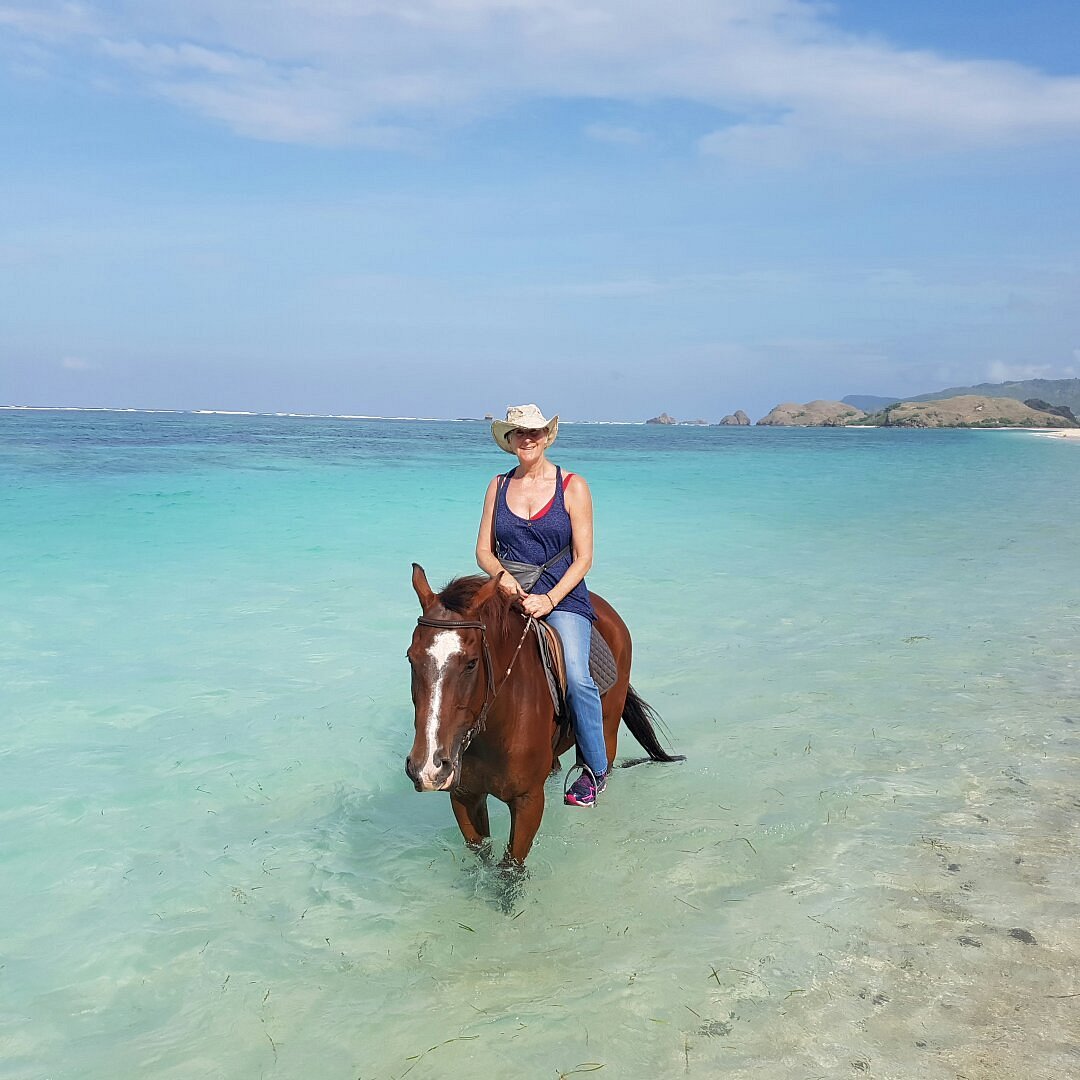
On a recent visit to Kuta, we stopped in at Eudaimon – home of “Kuta Horses” on the south coast.
Beautiful Eudaimon Villa is perched high on the hill above Kuta with breathtaking views across the coastline and ocean. The villa itself is lovely; designed for gracious comfort with luxurious furnishings. Opening off the front of the villa is a decked area with a private swimming pool that seems suspended over the edge of the hill, floating above the blue waters of Kuta Beach.
There is also a comfortable guest house on the property with two bedrooms and comfortable living areas, including another large swimming pool and more stunning views of the coast.
AUTORE… Precious Gifts from the Sea!
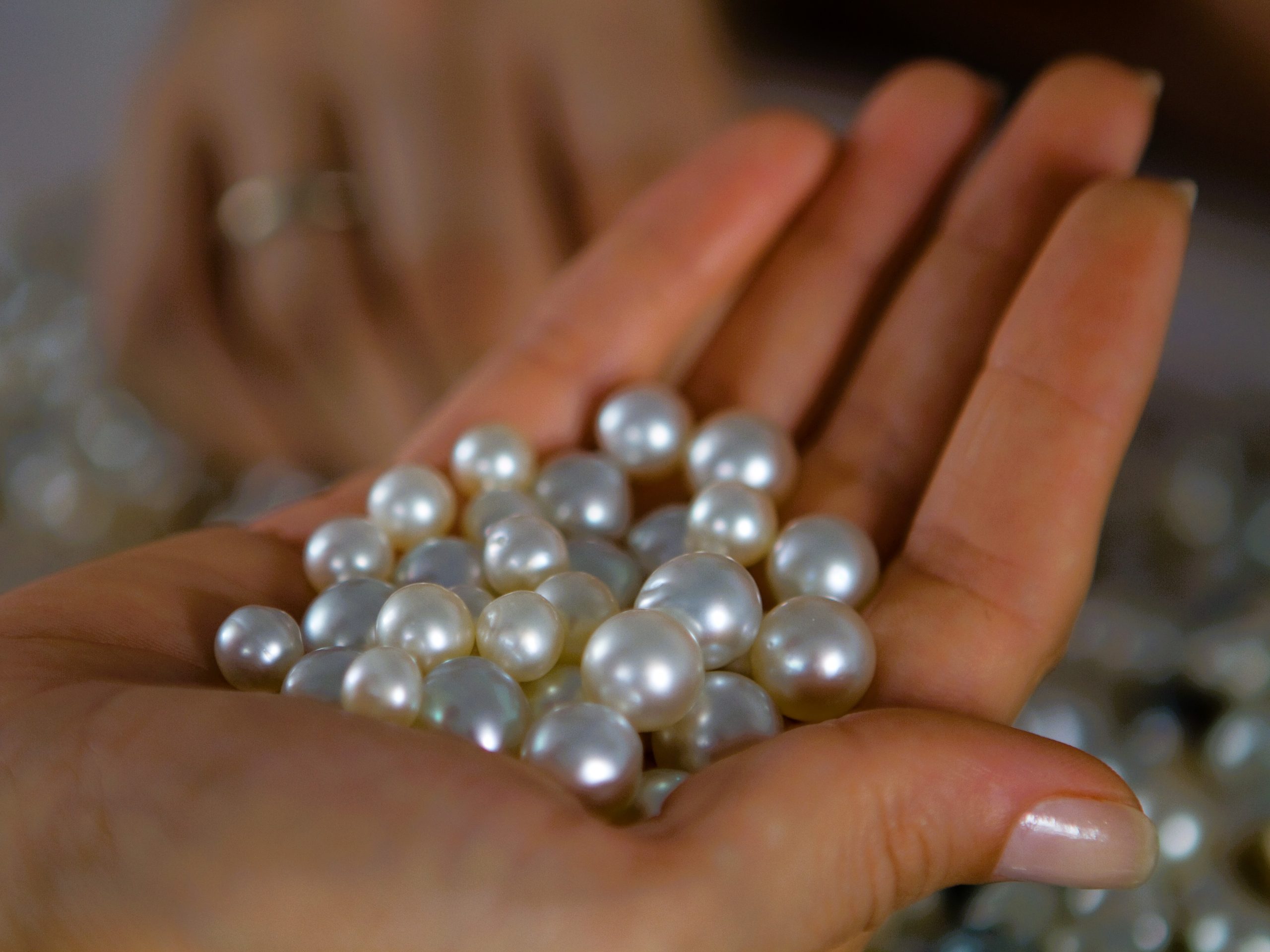
The Persians called them “children of light” and believed they were the tears of the gods. The Chinese thought that the moon gave them their power to glow. Pearls… timeless, classic, precious gifts from the sea.
Lombok is famous for its pearls and the island attracts buyers from all over the world to purchase pearls harvested in our clean oceans.
While visitors to Lombok will find plenty of sellers on the beaches hawking cheap, low grade pearls from China; authentic South Sea pearls are a different matter entirely.
We are fortunate to have one of the world leaders in pearl production and pearl jewellery design – Autore Pearls – based in Lombok.
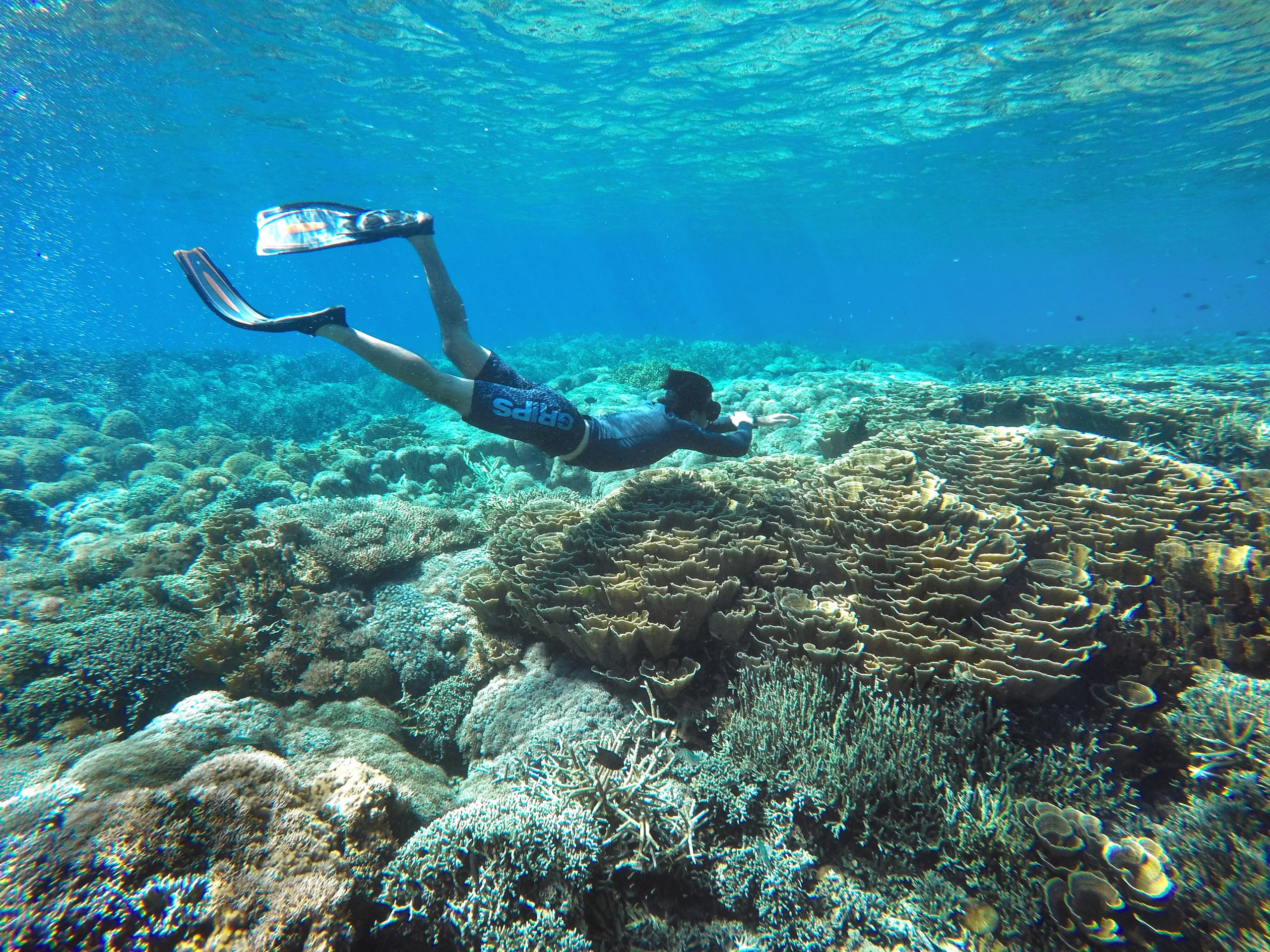
AMAZING SNORKELLING IN LOMBOK
For ocean lovers, Lombok has a wonderful variety of diverse beaches, islands and marine life to discover.
Off almost every coast are the small islands locally known as ‘Gili’ and, apart from the three famous Gilis off the northwest coast – Air, Meno and Trawangan – many other Gilis are just waiting to be discovered!
One tour operator offering unique trips to discover these off-the-beaten-path islands is Kemanayuk – run by friendly and professional local people who really know their island.
Two of the most popular tours Kemanayuk offers are personalised snorkelling trips to the Gilis in southwest Lombok and East Lombok.
CROSSING THE WALLACE LINE
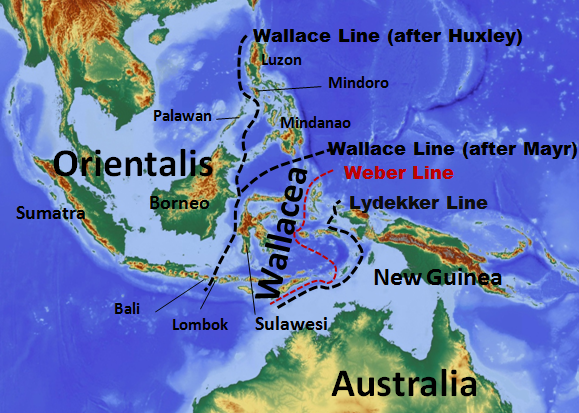
When travellers make the boat crossing between Bali and Lombok, they probably don’t realise they are not only crossing one of the deepest bodies of water in the world, but also crossing a transitional zone between Asia and Australia.
The Lombok Strait separates the islands of Bali and Lombok, and connects the Java Sea and the Indian Ocean. At its northernmost end, the Strait has a deep channel that is about 35kms (less than 22 miles) wide and is well-known for its strong currents and north-south ‘through-flow’, which can run at several knots and is very deep.
PAINTED ARMCHAIRS… The Chinese Cemetery
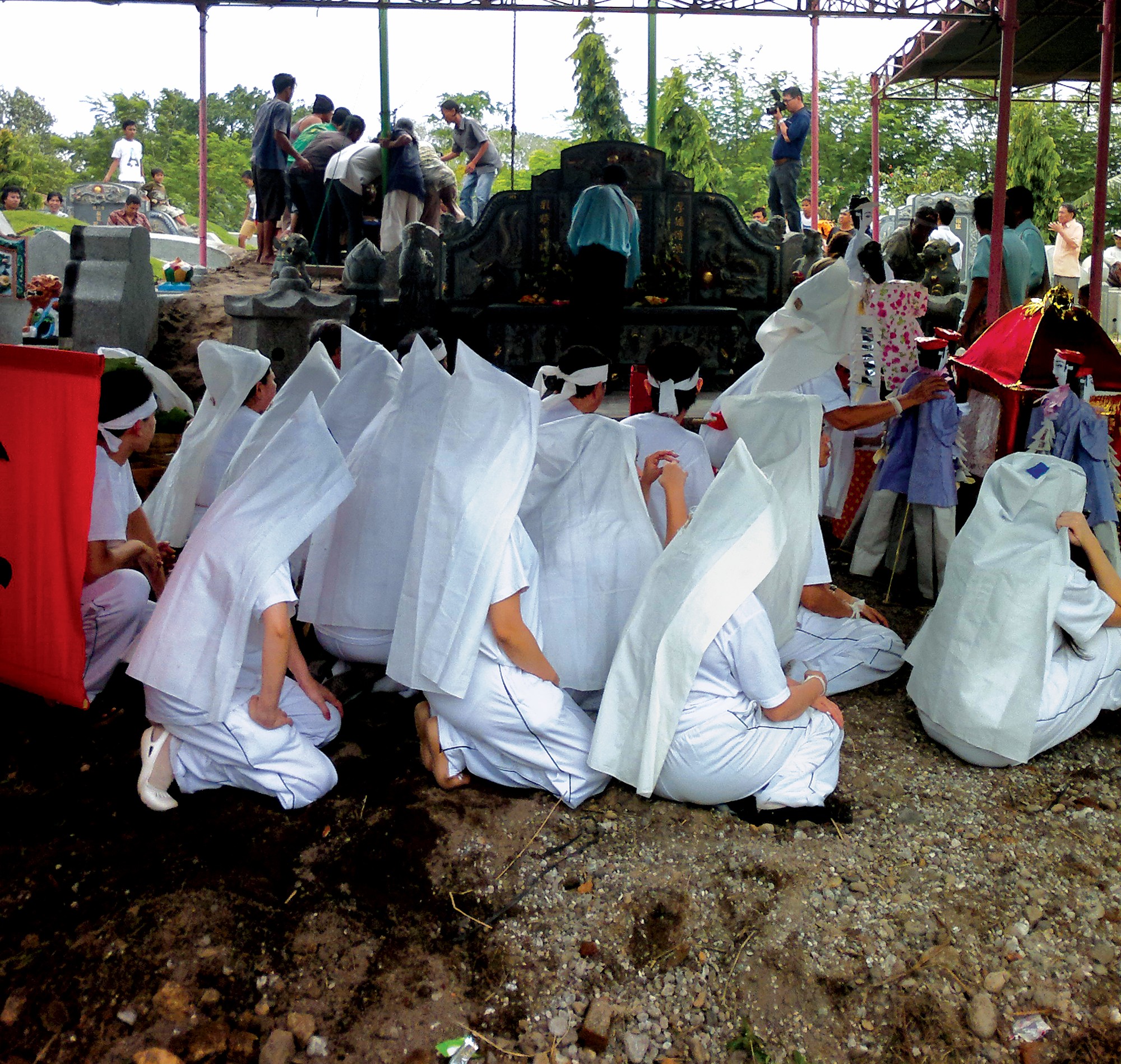
Most visitors travelling to Senggigi will notice the large Chinese cemetery on the left side of the road a couple of kilometres north of Ampenan.
Kuburan Cina Bintaro (Bintaro Chinese Cemetery) spreads over a vast area and is filled with huge rounded and mounded Chinese graves, many of which are beautifully decorated and painted in bright colours.
Cremation is not common among the Chinese and the burial of the dead is a matter taken very seriously in Chinese society. Funeral arrangements can either bring good fortune, or wreak bad luck and disaster on the family of the deceased if incorrectly carried out.
MEMANGKEQ (GASING)
The game is one of Sasak traditional game that can be played by Child, Adolescent or everyone. Gasing game is very unique because it must rely on the strength of the hand and strategic mind for hitting the opponent with the right target.
Gasing has different forms from the ordinary into extraordinary. Lendang Luar many shape of gasing, oval, sugar, flat (plate shape), some of the gasing also using the little round bullet underneath (on the tip) so that it can rotate smoothly and longer.


Living in the Tropics… DENGUE DANGER
With rainy season well underway in Indonesia, it’s important to guard against the risk of mosquito-borne diseases.
Although malaria has almost disappeared in Bali and Lombok, Dengue Fever (called Deman Berdarah in Bahasa Indonesia) is still a threat every rainy season
The WHO reports that dengue is the most rapidly spreading mosquito-borne virus in the world.
Dengue is transmitted through the bite of the Aedes mosquitoes, primarily Aedes aegypti and Aedes albopictus, which bites during the daytime hours and can be identified by the white markings on its body.
Dengue fever is an illness caused by the dengue virus (DENV) and there are actually four strains of Dengue Fever: DV-1 through to DV-4. Infection by one of the four dengue strains gives immunity against only that strain. However, infection by any of the other 3 strains is still possible, meaning you can get dengue again.