CULTURAL & RELIGIOUS EVENTS
BAU NYALE – Lombok’s Unique Festival!
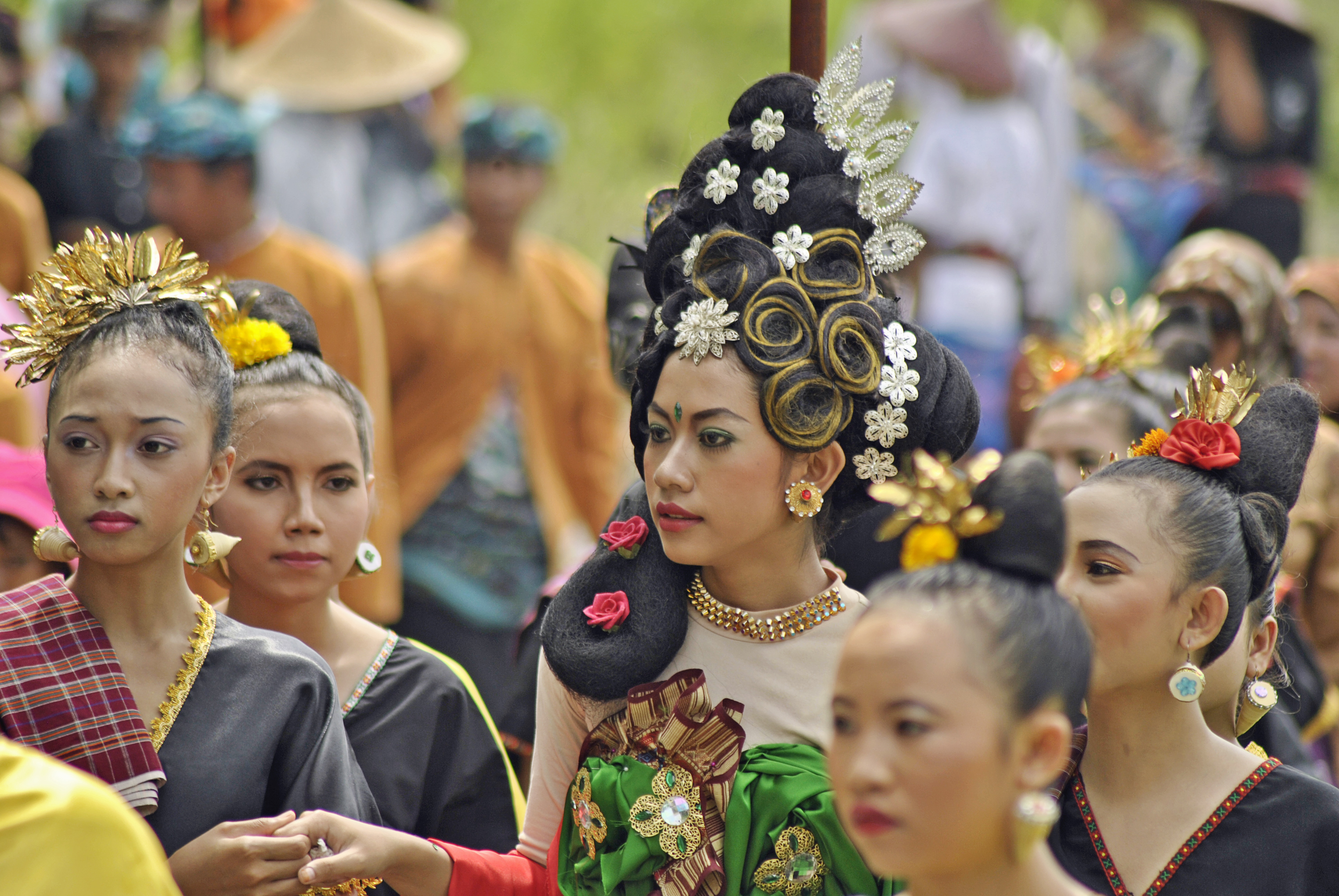
One of Lombok’s most important and popular festivals takes place at the beginning of this month. Bau Nyale is a cultural tradition, deeply rooted in local legend and drama, and unique to the island of Lombok.
Bau Nyale means “to catch the sea worms” in the local Sasak language. The sea worms are a rare variety of Palolo worm (Eunice viridis) found in tropical waters in different parts of the world and particularly in Lombok, Sumba and Savu in Indonesia.
Once a year – when seasonal, marine and lunar conditions combine – the Nyale come to certain beaches around Lombok to spawn and, for a few days, the seas are filled with wriggling sea worms in a variety of colours, ranging from simple brown to red and green.
PERANG TOPAT… The Rice War!
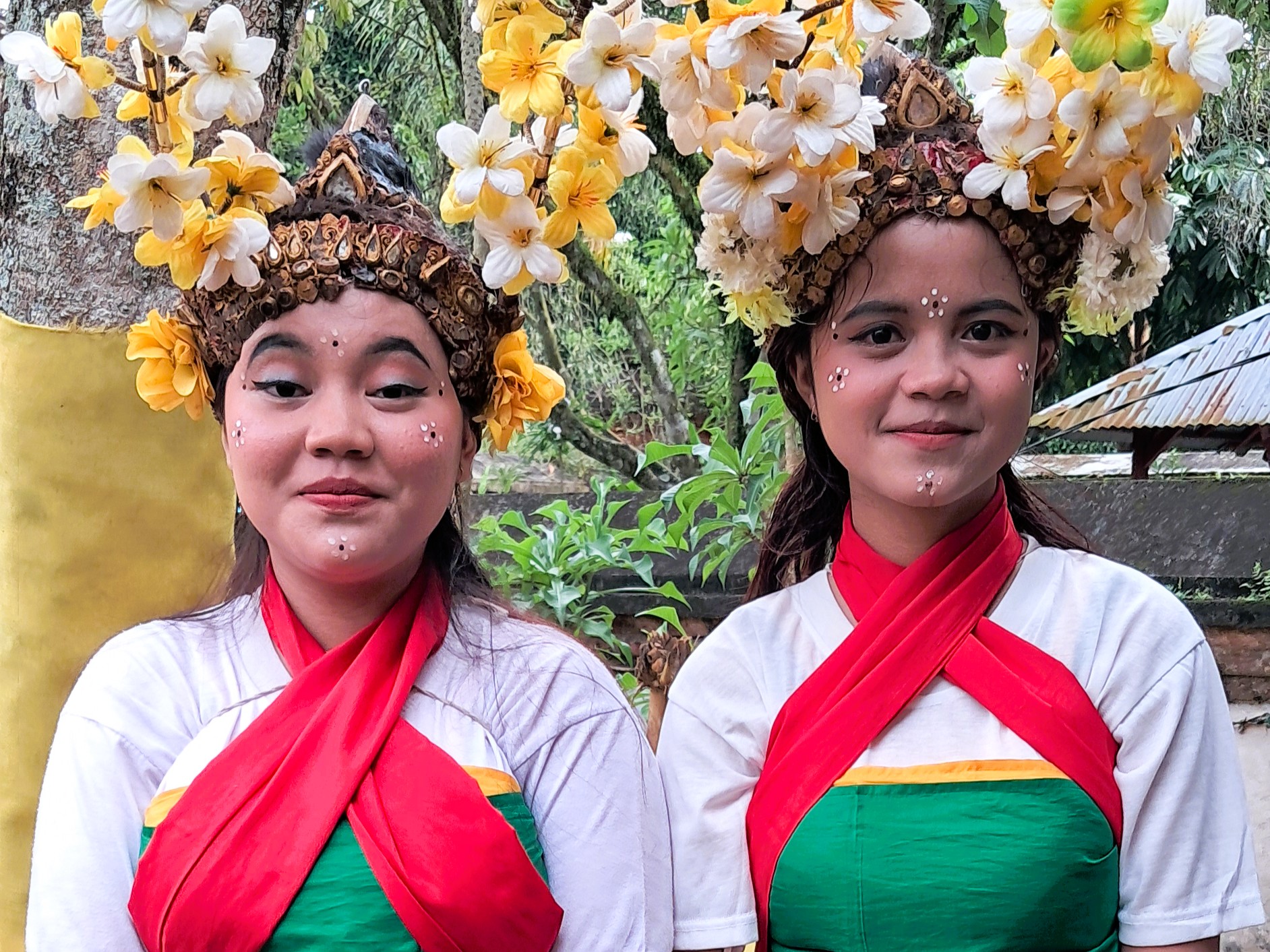
Thousands of people attended Lombok’s unique “Perang Topat” held on Thursday, 4 December at historic Lingsar Temple in West Lombok.
Perang means “war”and Topat is short for “ketupat” – small diamond-shaped parcels of rice, which have been wrapped in woven coconut leaves and boiled – a delicious local alternative to ordinary rice.
In this friendly war, Hindus and Muslims stage a mock battle, hurling the topat at each other amidst much fun and laughter.
Built around 1759 and renovated in 1874, Pura Lingsar is located about 10km northwest of Mataram and is renowned for its unique temple complexes: the Gaduh Temple for Hindus and the Kemaliq Temple for Muslims.
NGAYU-AYU… Preserving the Past
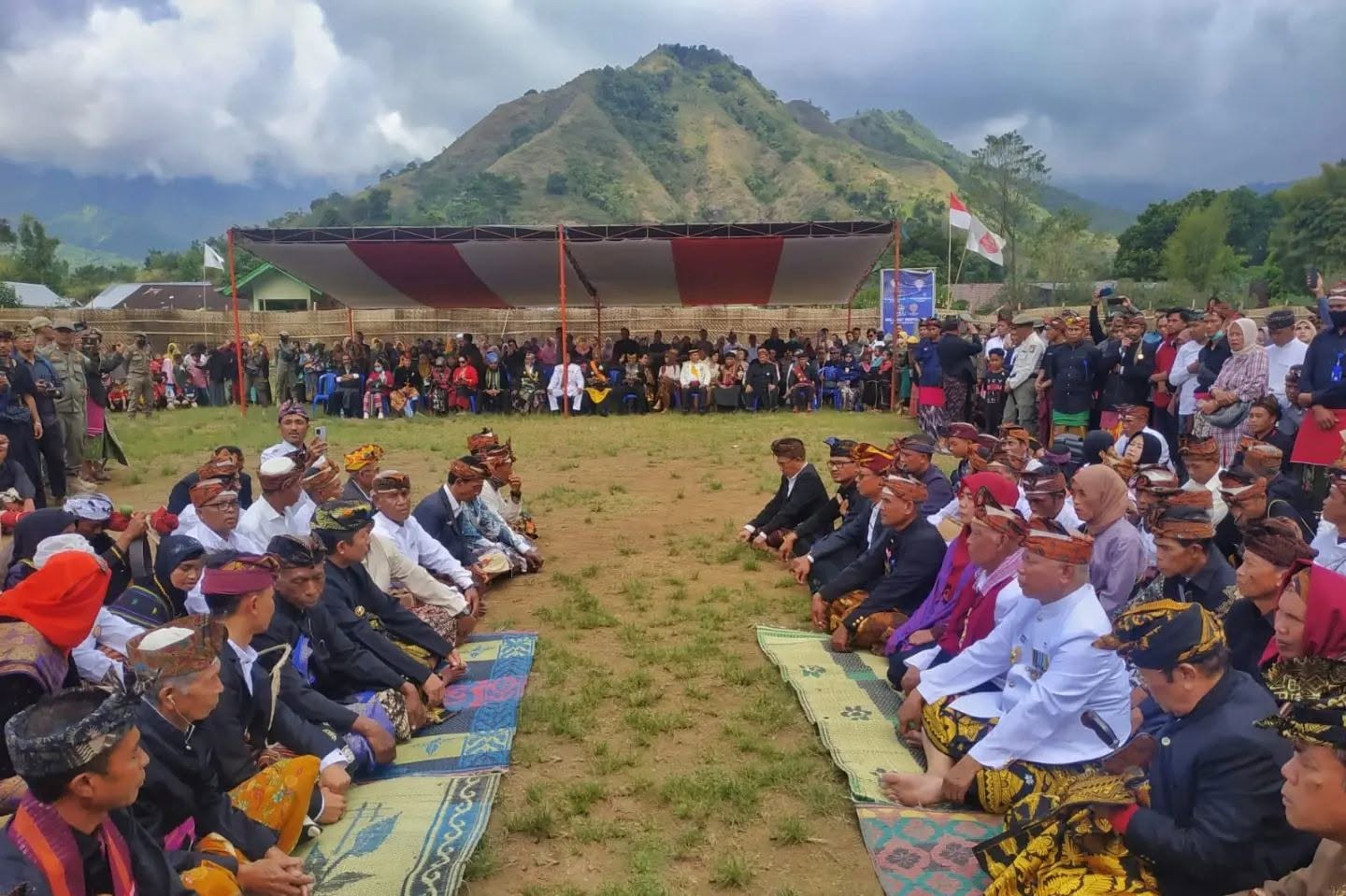
The sun has just risen and pure, clear light floods the mountains and valleys surrounding Sembalun Bumbang, a town perched high on the northeast shoulder of Mt Rinjani, 1,065 meters above sea level.
The normally quiet town is crowded with thousands of visitors today, as people flock from across Indonesia and throughout Lombok to witness an ancient ritual that has been practiced in this village for hundreds of years.
6 June, 2013 marks the final day of the Ngayu-Ayu celebrations that have been held in the village over the past week, and gives those attending a small glimpse into the rich heritage of the Sasak people.
NYEPI IN LOMBOK
You can see Bali in Lombok… but you can’t see Lombok in Bali!
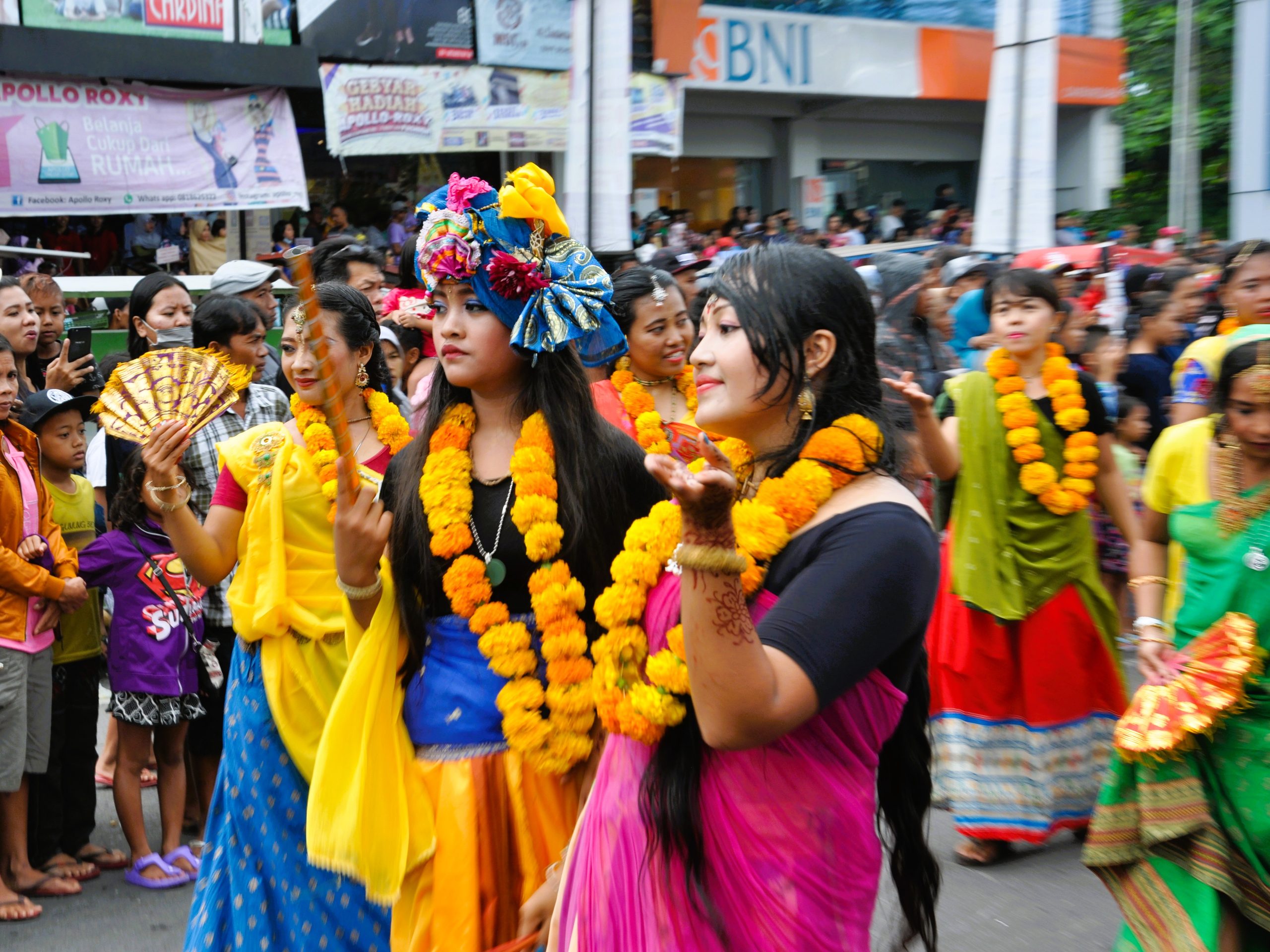
This old Lombok saying is especially true during Nyepi – the Balinese Hindu “Day of Silence” – when you really can see Bali in Lombok!
Many people assume that Balinese Hindus only live in Bali but, with the two islands being so close together, Balinese settlement on Lombok dates back for centuries. Today, Balinese communities and temples are found all around the west coast and in the cities of Lombok. Nyepi is one of the most important days in the Balinese calendar and the start of the Hindu New Year. However, Balinese Hindus do not celebrate the new year with lavish parties; they celebrate it with peace and meditation instead, with the aim of entering a new year with a “clean slate”.
RAMADAN AND IDUL FITRI IN LOMBOK
As we go to print this year, Muslims across the world are fasting for month of Ramadan.
Lombok’s Muslim community too will be abstaining from drinking, smoking, and having sex between sunrise and sunset each day. However, if you are staying in the main tourism areas – Senggigi and the west coast, Kuta and the south coast, and on the three Gili Islands – it’s business as usual.
Hotels and resorts are open for business, restaurants serve meals all day, bars are open and still serve alcohol – and planes, ferries, fast-boats and taxis are all operating as usual!
EASTER SERVICES IN LOMBOK
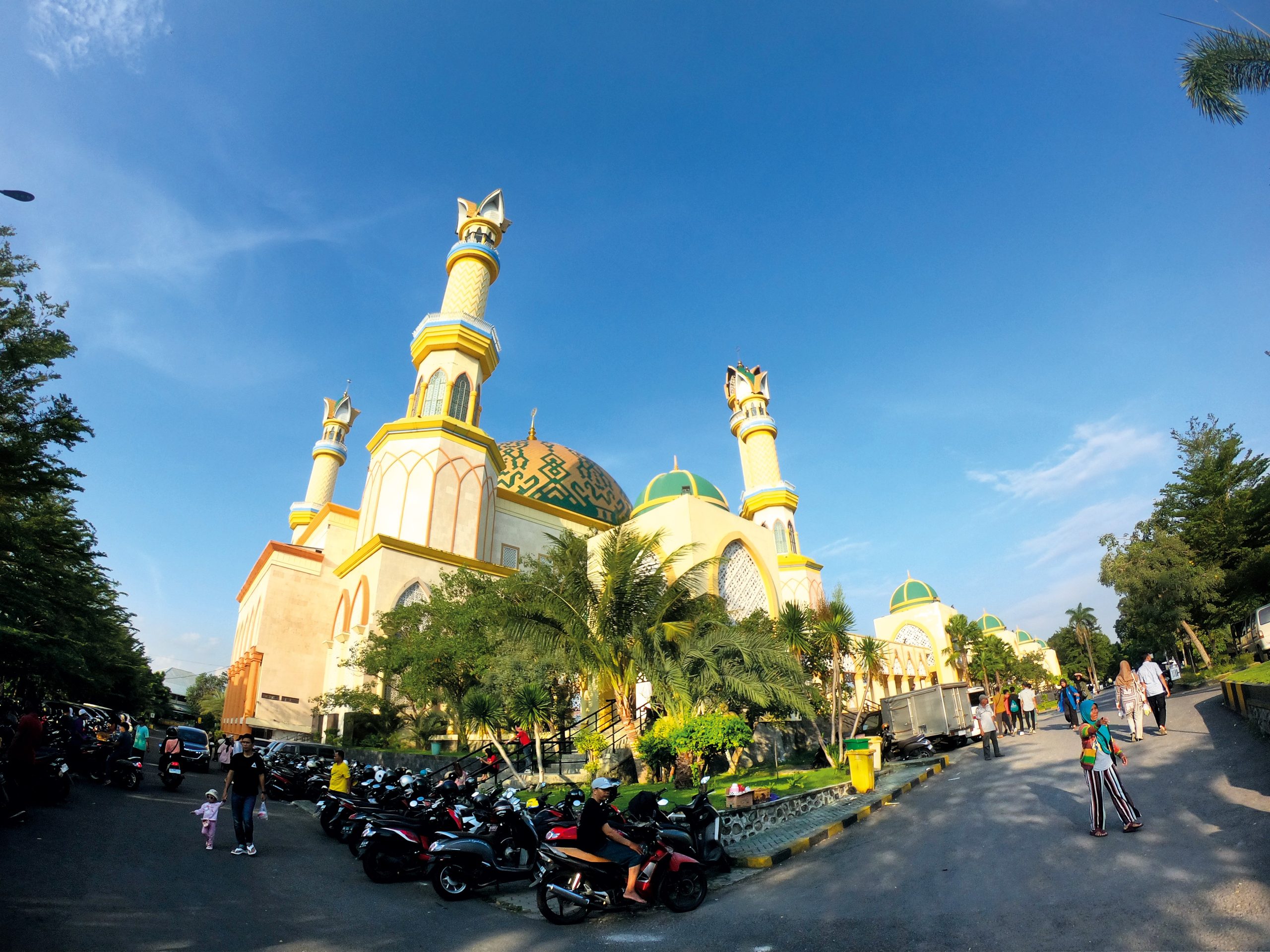
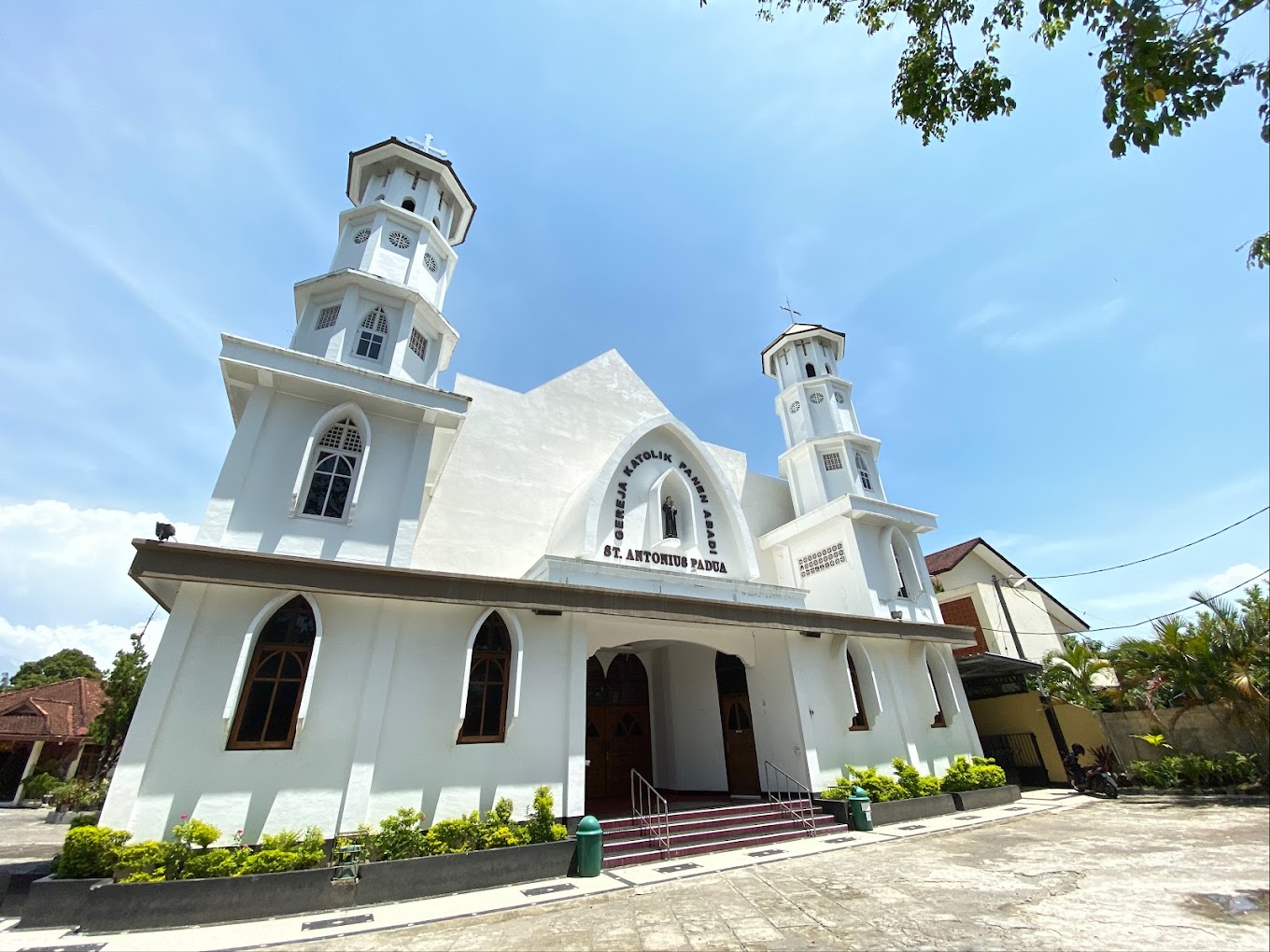
We are often asked if there are any churches in Lombok, especially around Christmas and Easter when people are holidaying in Lombok and would like to attend church services during their visit.
Although predominantly Muslim, Lombok truly is a melting pot of cultures and different religions including the many Hindus who live here, together with Buddhist, Catholic and Protestant communities.
Easter is coming up, with Good Friday on 18 April and Easter Sunday on 20 April, and churches (‘Gereja’) in Lombok welcome tourists attend.
Good Friday is a public holiday throughout Indonesia and schools, banks and government businesses will be closed.
CHINESE NEW YEAR ON LOMBOK… Celebrating Diversity!
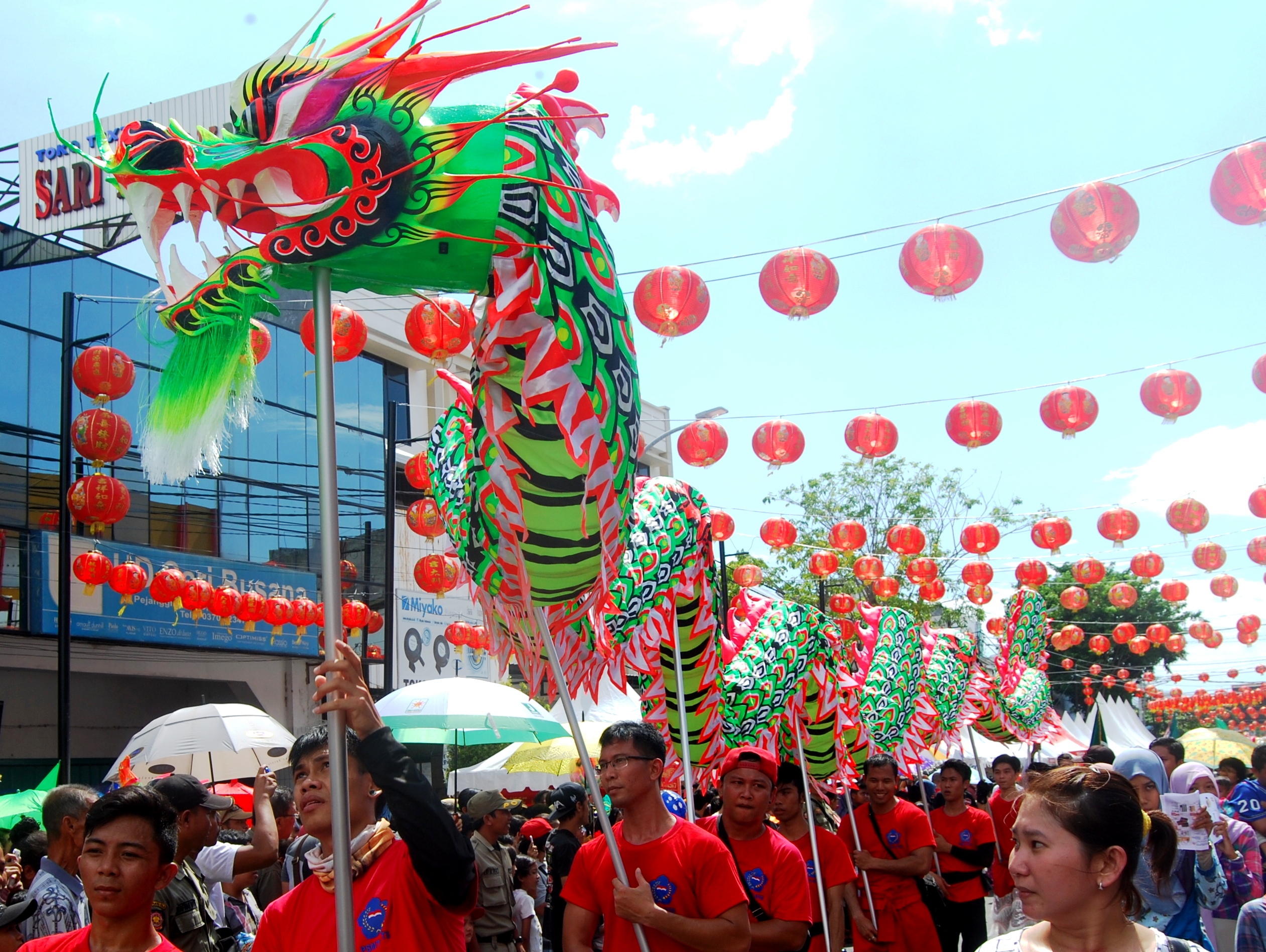
Chinese New Year is on Wednesday, 29 January this year, and the Chinese community in Lombok will be celebrating as we bid goodbye to the Year of the Dragon and welcome the Year of the Snake!
2025 is specifically the year of the Wood Snake. According to Chinese culture, the snake, combined with the earthy qualities of wood, brings growth, introspection, resilience, and forward-looking energy.
This year may be the time to focus on personal growth, relationship building, and the steady pursuit of long-term goals; making it an auspicious time for reflection and thoughtful action. Chinese New Year (also called the Spring Festival or Lunar New Year) is the most important of the traditional Chinese holidays.
LEBARAN TOPAT… Uniquely Lombok!
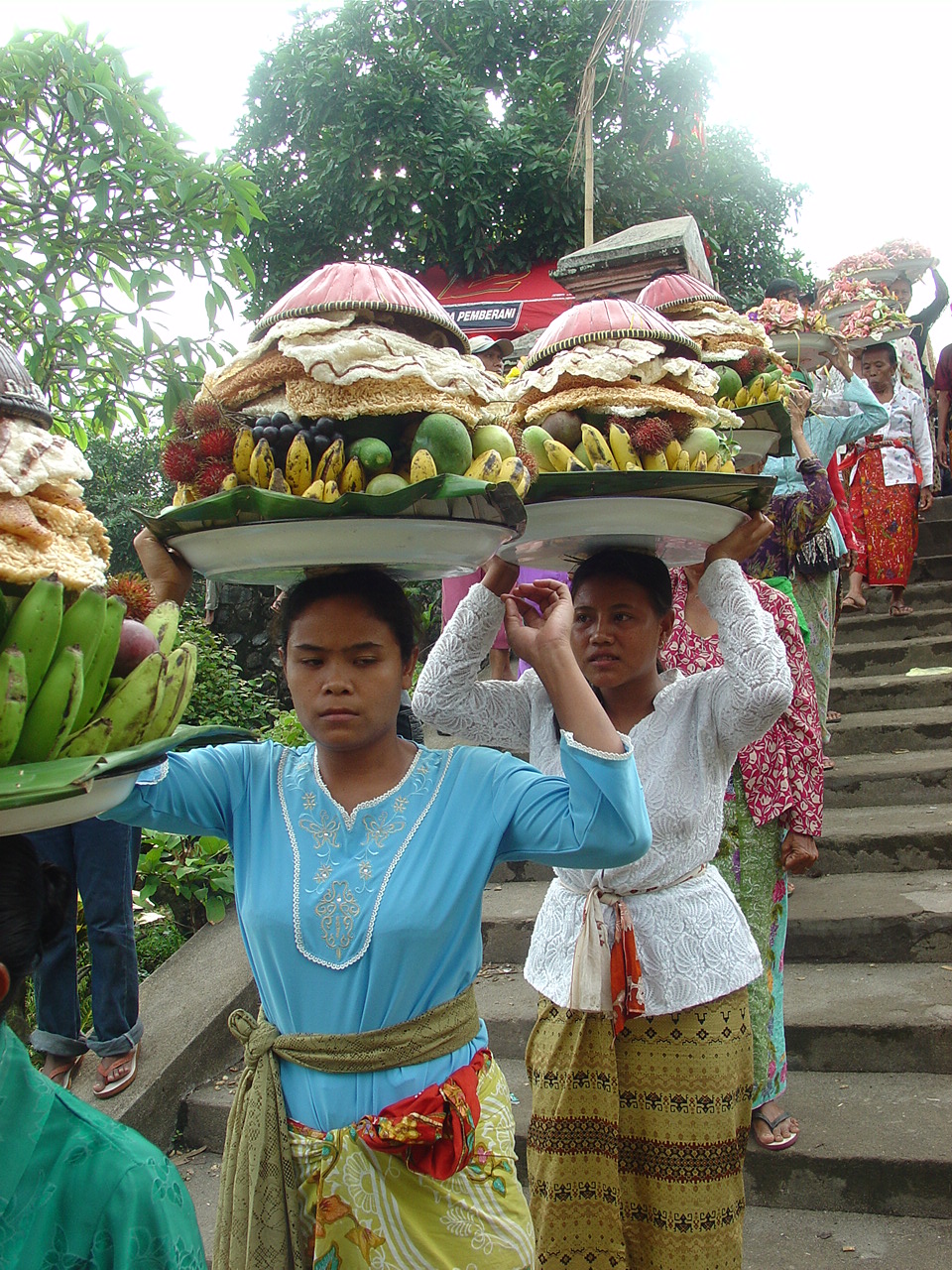
Idul Fitri, the holiday that marks the end of the fasting month of Ramadan, one week later, Lombok will celebrate with a second unique holiday, not normally seen in other parts of Indonesia – Lebaran Topat.
Originally a traditional Sasak celebration at the end of the optional Syawal fast that some people complete after Ramadan, Lebaran Topat is now more of a ‘second holiday’ for the family after Ramadan.
Lebaran Topat occurs seven days after the Idul Fitri holiday.
THE LEGEND OF PUTRI MANDALIKA
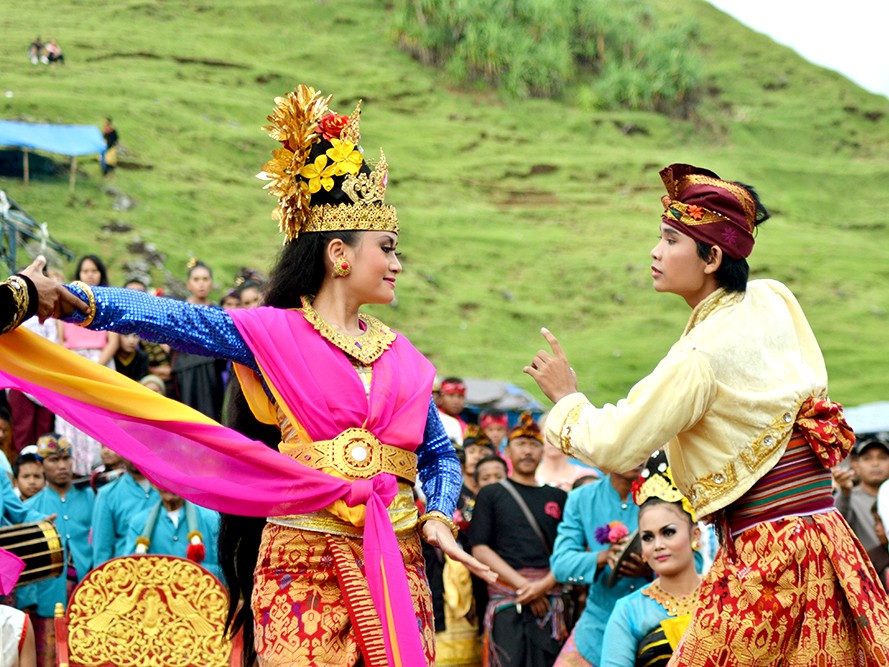
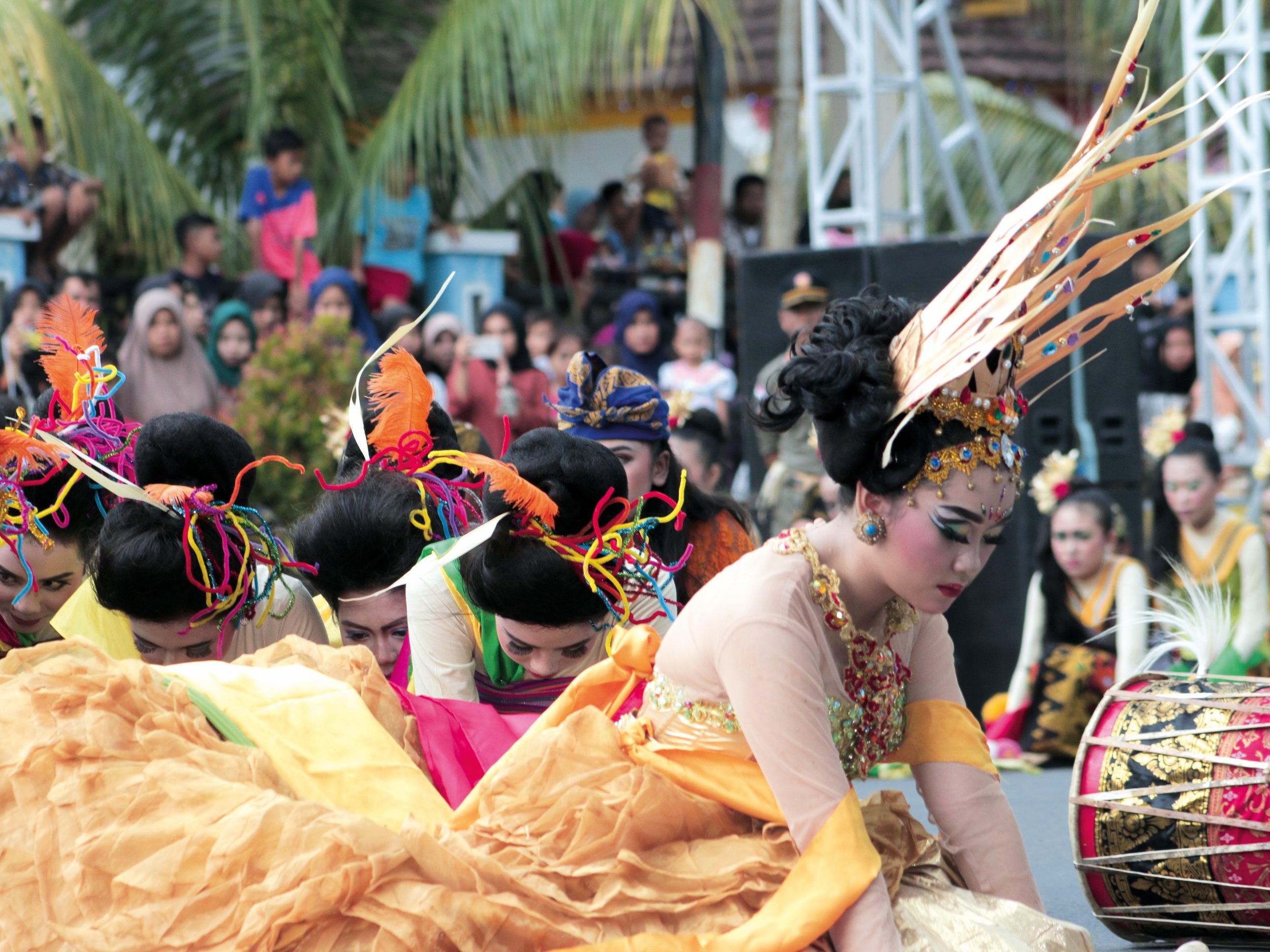
The highlight of the Bau Nyale festival is the theatrical dance and music drama which re-enacts the legend of Putri (Princess) Mandalika and is the basis for the magic surrounding the Bau Nyale festival.
According to legend, in ancient times, the island of Lombok was divided into kingdoms. On the south coast of Lombok there was a kingdom called Tonjang Beru. Tonjang Beru was ruled by King Raden Panji Kusuma, who was known for his wisdom and good sense, often helping the people to resolve problems and conflicts.
Thanks to the leadership of the king and his queen, Dewi Seranting, the people of Tonjang Beru lived prosperously, safely and peacefully.
REBO BUNTUNG… Warding Off Bad Luck
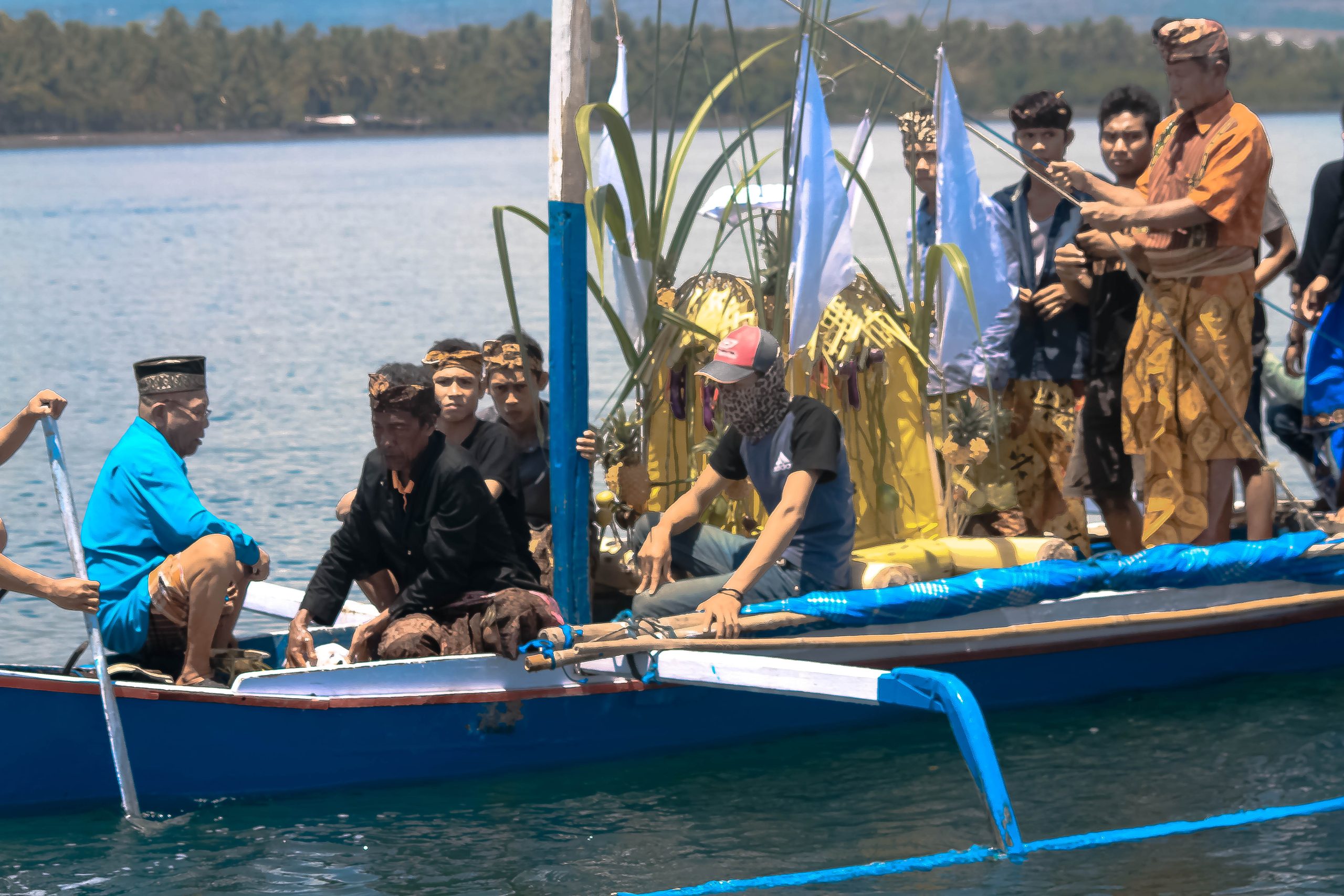
It’s just after 7 o’clock in the morning and we are speeding across the smooth highway that connects the west of the island to the east.
As always when we travel this road, I am entranced by the passing scenery. We pass through cities bustling with activity, and then through small towns that look like throwbacks to the 1950’s.
This morning we are heading almost all the way to the east coast, to the town of Pringgabaya; around 2 hour’s drive from Senggigi.
WHEN KINGS WALKED THE LAND…
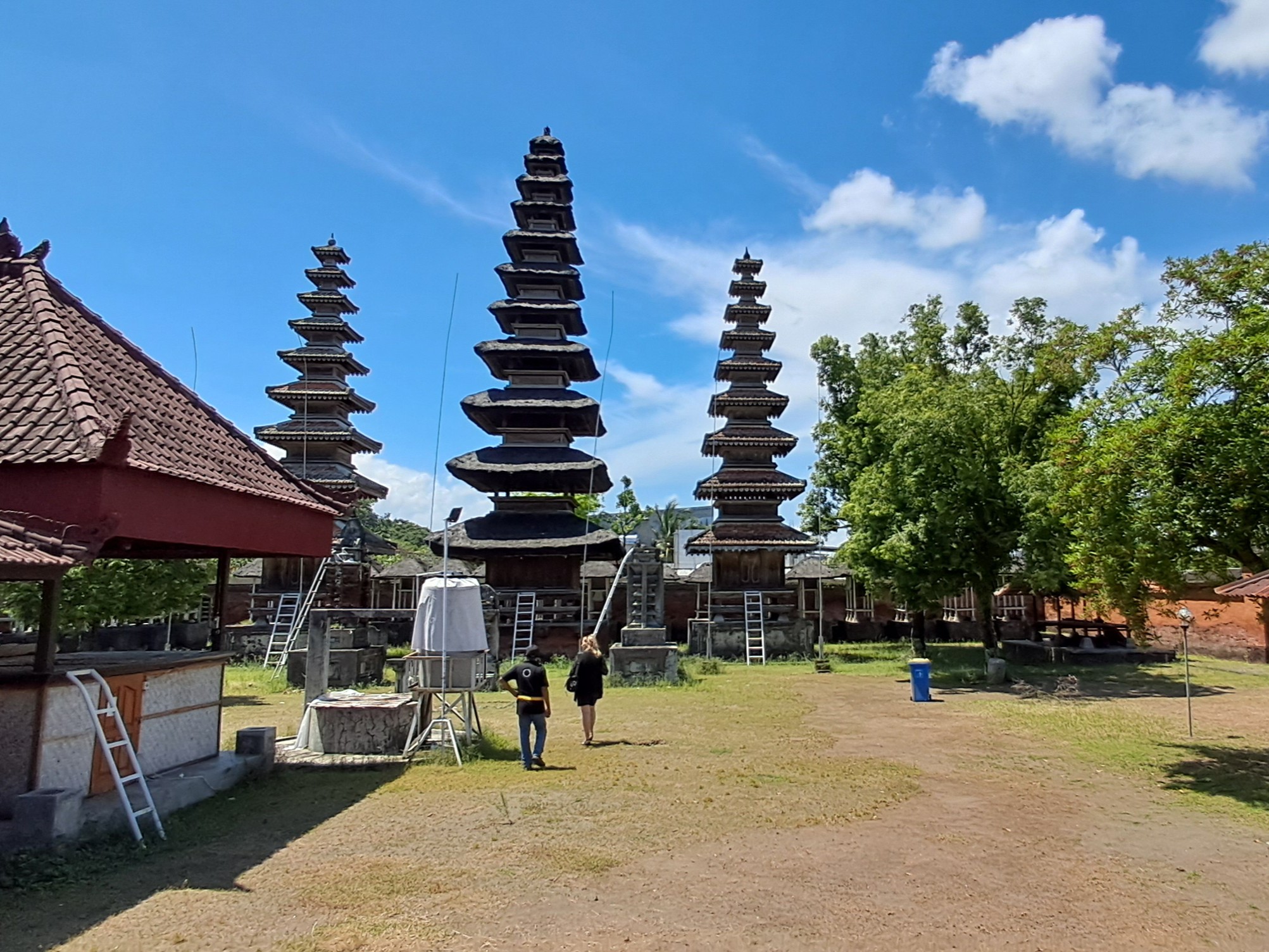
The city of Cakranegara was once called Singosari – a bustling and prosperous kingdom and the seat of power in Lombok.
Wide straight roads (now Jl Langko and Jl Pejanggik) led from the port city of Ampenan to Mataram, the former seat of power, through to the royal palace compound at Cakranegara.
In the 19th century, Dutch colonial authorities called Mataram “The Paris of the East”. This nickname was given in admiration of the city’s architectural elegance, its beautiful gardens, and its role as a cultural and political centre in the region at the time.
It was meant to evoke images of European sophistication, in contrast to other areas of the Indonesian archipelago that were seen as less developed by the colonisers.
THE FALL OF THE KINGDOM
This is Part 2 of our two-part historical feature on Cakranegara.
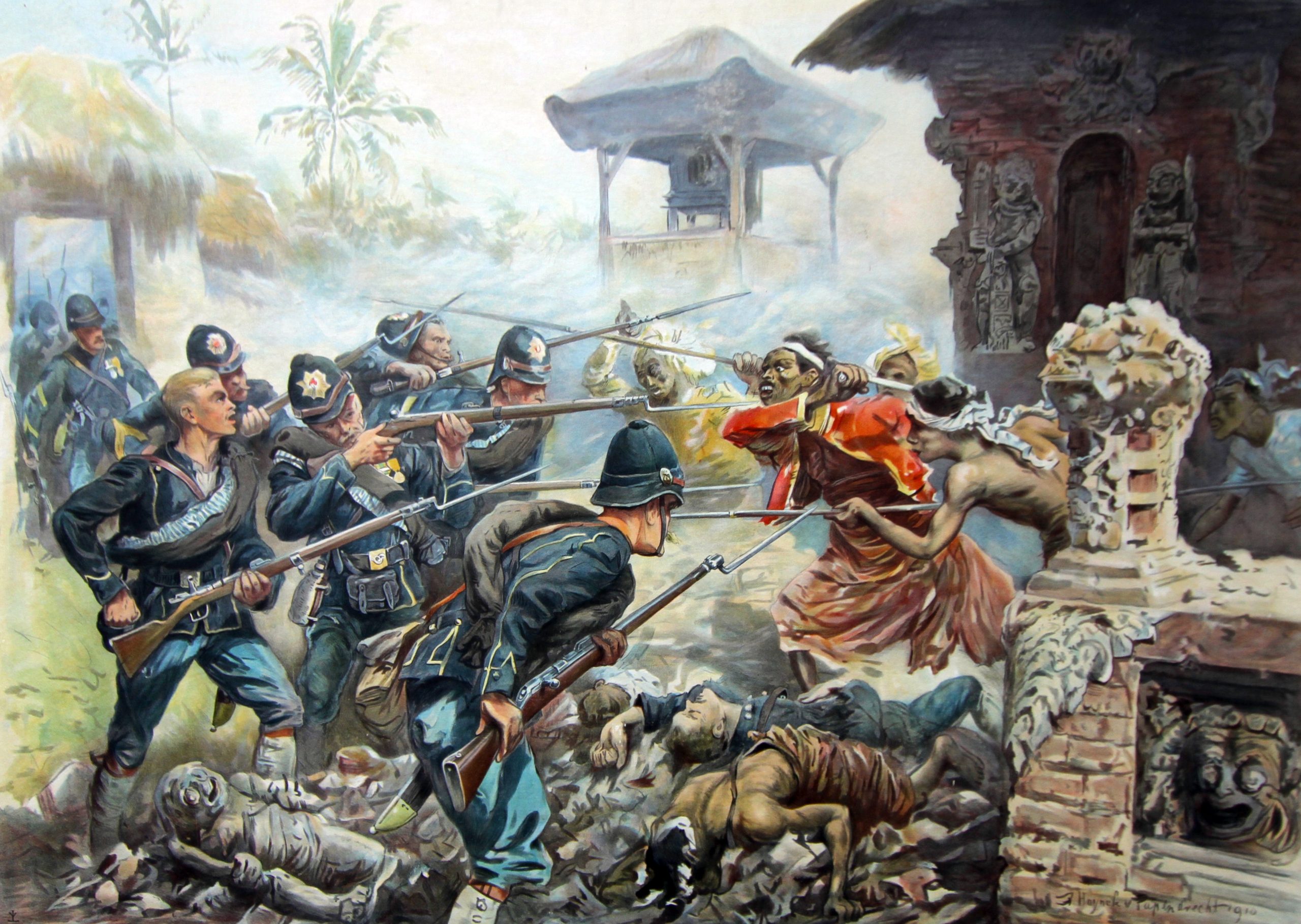
Part 1, “When Kings Walked the Land”, was published last month in our May issue. Read online at: issuu.com/thelombokguide By the early 1700s, Balinese settlers were well established in Lombok. In the mid-18th century, the Karangasem Kingdom of Bali launched military campaigns across the island, eventually taking control of several regions. This led to the creation of Balinese-led kingdoms in Lombok, first in Mataram and later in Cakranegara.
By 1838, Balinese rule had unified much of Lombok under the Mataram Kingdom, though the indigenous Sasak population retained influence in the east. The relationship between the Balinese rulers and the Sasak people was complex – marked by periods of cooperation, cultural integration, and violent conflict.
GENDANG BELEQ… The Big Drums of Lombok
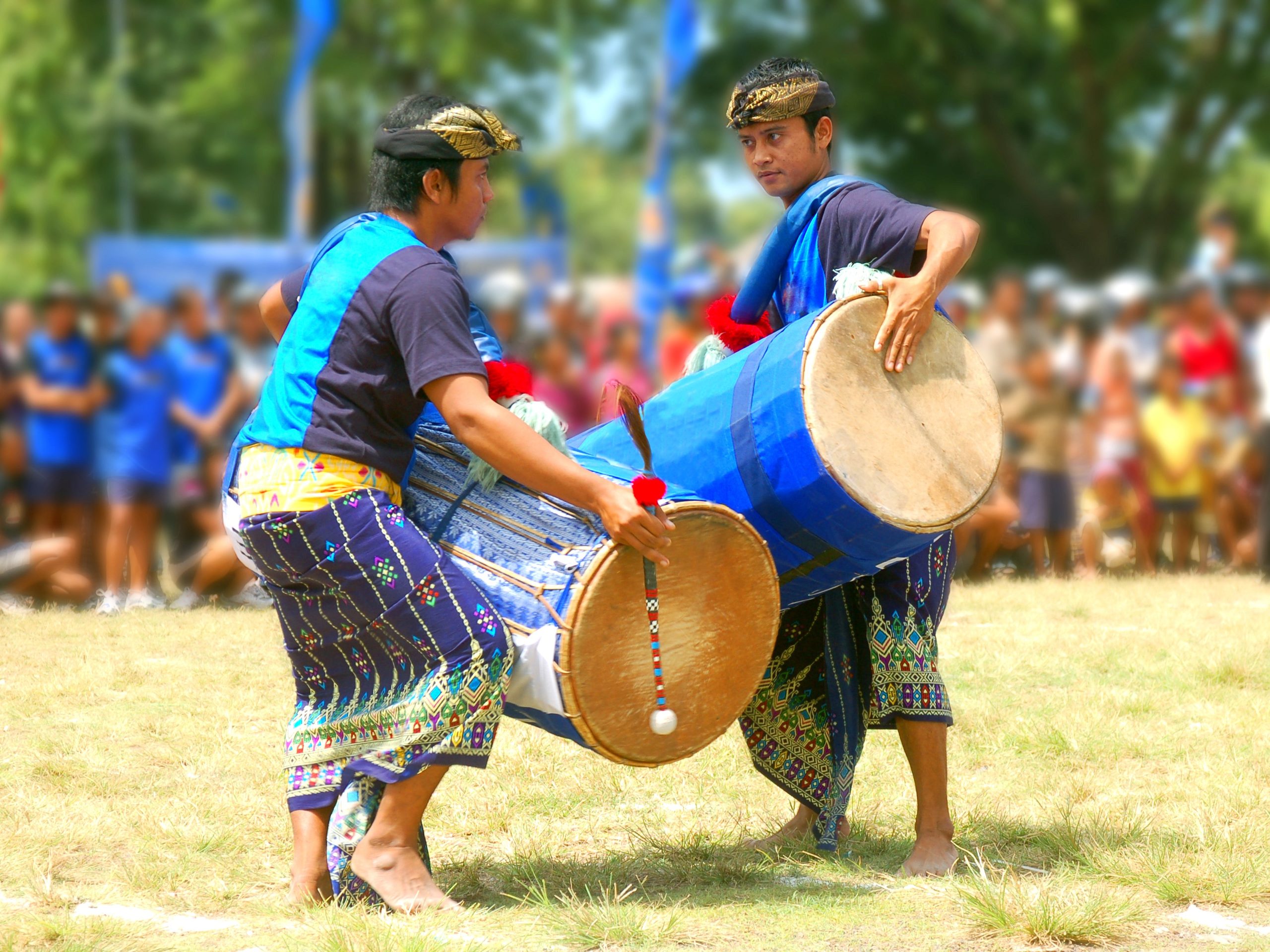
Join in almost any major cultural event in Lombok and you will see a group of colourfully dressed performers carrying huge drums across their bodies, filling the air with the irresistible beat of Gendang Beleq.
Gendang Beleq (literally translated as “big drums”) is distinctive to Lombok and forms an important part of local cultural performances. These big drums are actually a variant of the Kendang drum that traditionally accompanies Gamelan orchestras throughout Indonesia. The drum is long and barrel shaped and has a skin stretched over each end.
PERESEAN… More than just Stick Fighting!
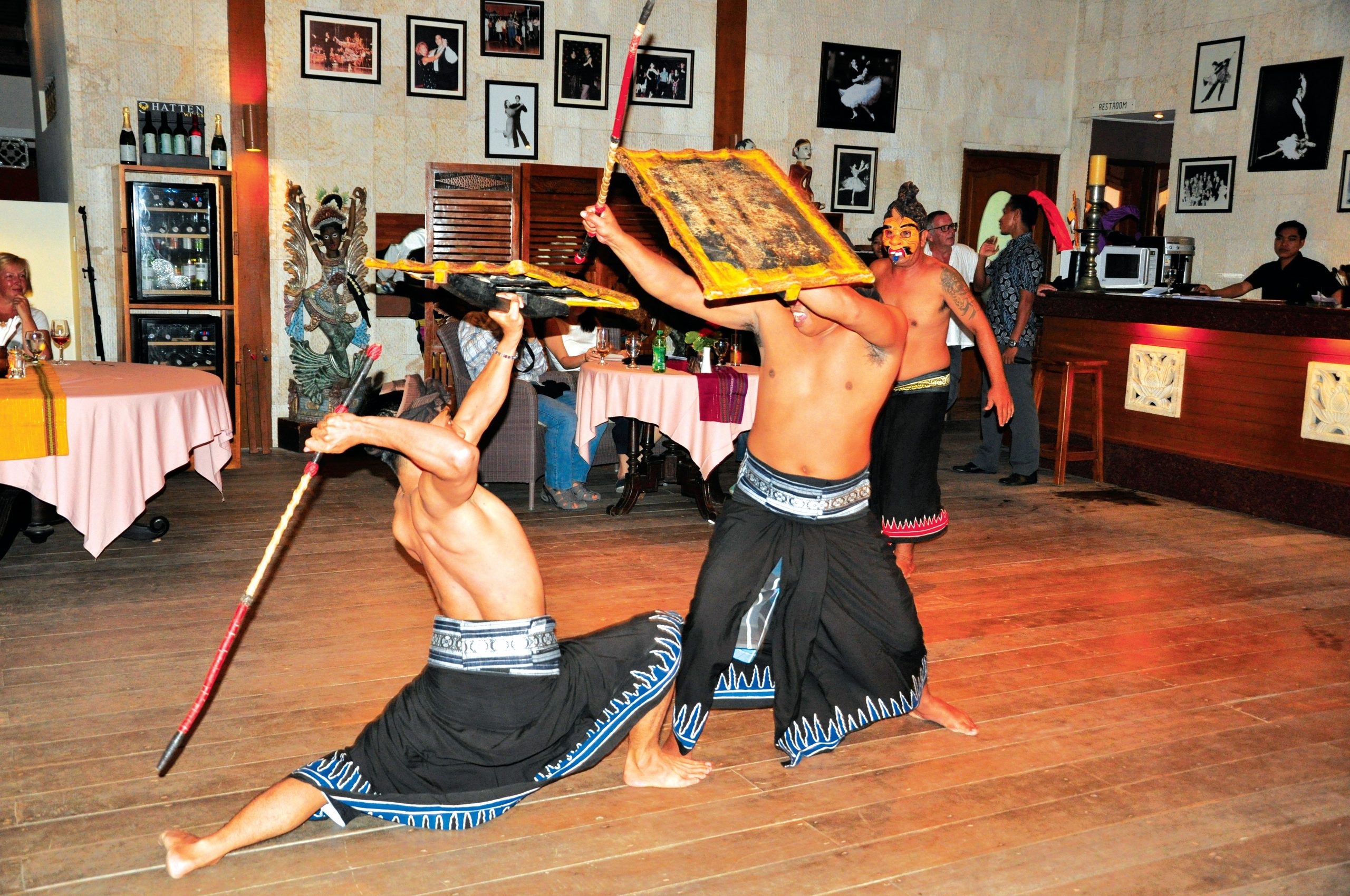
Peresean, or stick fighting, is a popular traditional sport unique to the Sasak – the indigenous people of Lombok.
More than just a sport, or a form of entertainment for tourists, Peresean has its roots in the ethnic Sasak culture of Lombok and is seen as a test of courage for a man, as well as a symbol of masculinity held in esteem by the Sasak people.
In a Peresean duel, two competitors pit their strength and wits against each other, using heavy sticks (penjalin) to strike at each other’s bodies and defending themselves with shields (ende), made from toughened cow hide, to prevent the other from striking a blow.