TETEBATU… A Natural Retreat in the Hills
It’s rainy season in Lombok and, as we begin our drive up into the mountains, a gentle rain is falling through the sunshine. I take deep breaths of the unbelievably pure air coming through the car windows and feel a sense of peace and relaxation take hold.
We are travelling to Tetebatu – a village in the foothills of the Rinjani National Park, around 50kms from the city of Sweta and around two hours drive east of Senggigi.
As we travel up the small road, the scenery becomes more rural. Small villages or kampung soon give way to open spaces of rice fields filling the landscape with an almost impossible shade of green; brilliant emerald rice plants stretch for miles and march down the sides of the hills in stepped terraces.
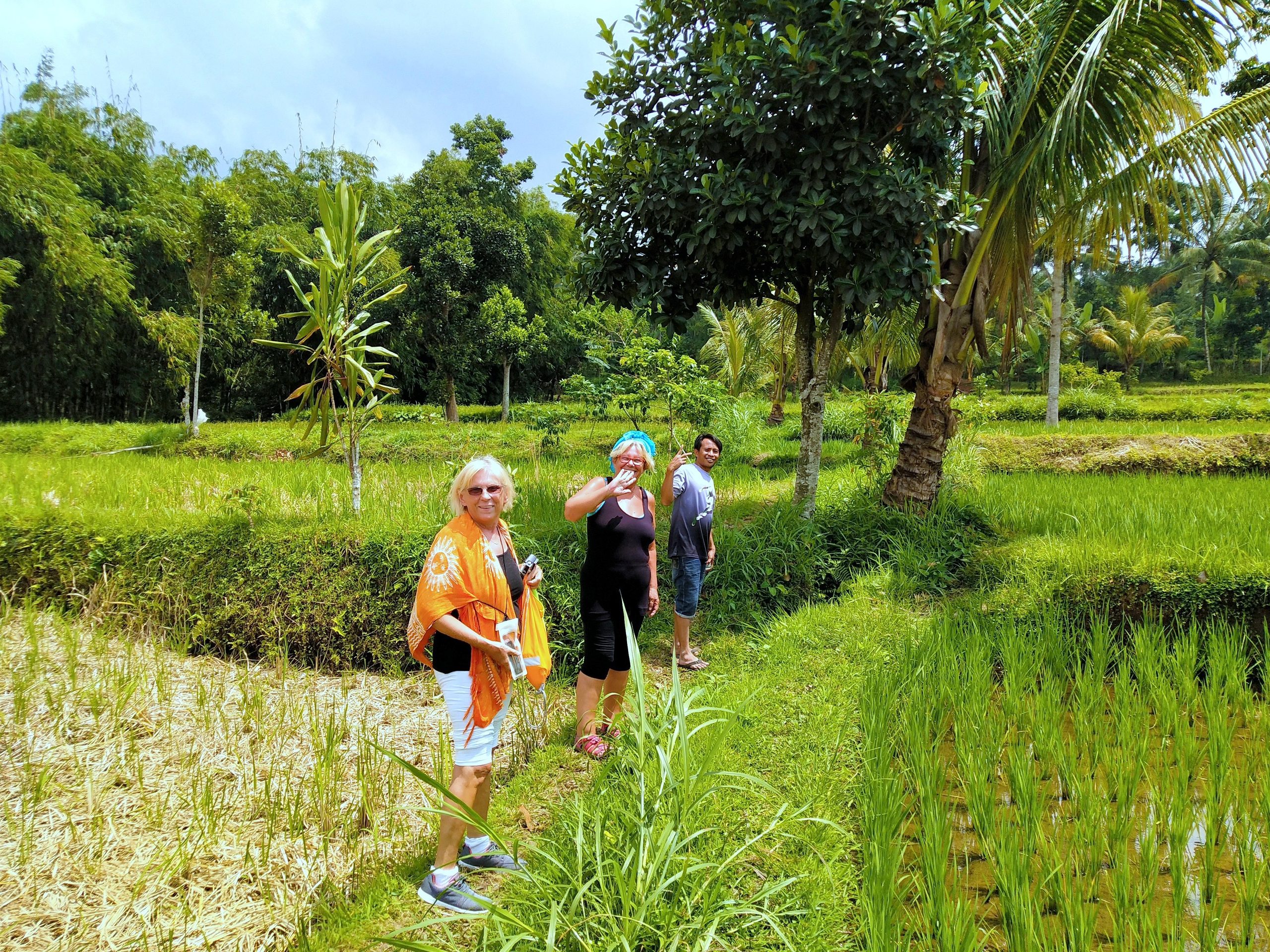
Here and there, a tall brick building towers against the skyline. These are the kilns used to dry the tobacco leaves grown throughout East Lombok. At other times of the year, the fields will be filled with plump tobacco plants but with the monsoonal rains, it is rice – the staple of life for all Indonesian people – that dominates the land.
We quickly reach the small town of Tetebatu, which is really just a crossroads about two kilometres from the southern boundary of the Rinjani National Park. Here you will find some basic shops selling drinks and local food, as well as a handful of small hotels and home-stays to provide a base for exploring this charming part of Lombok.
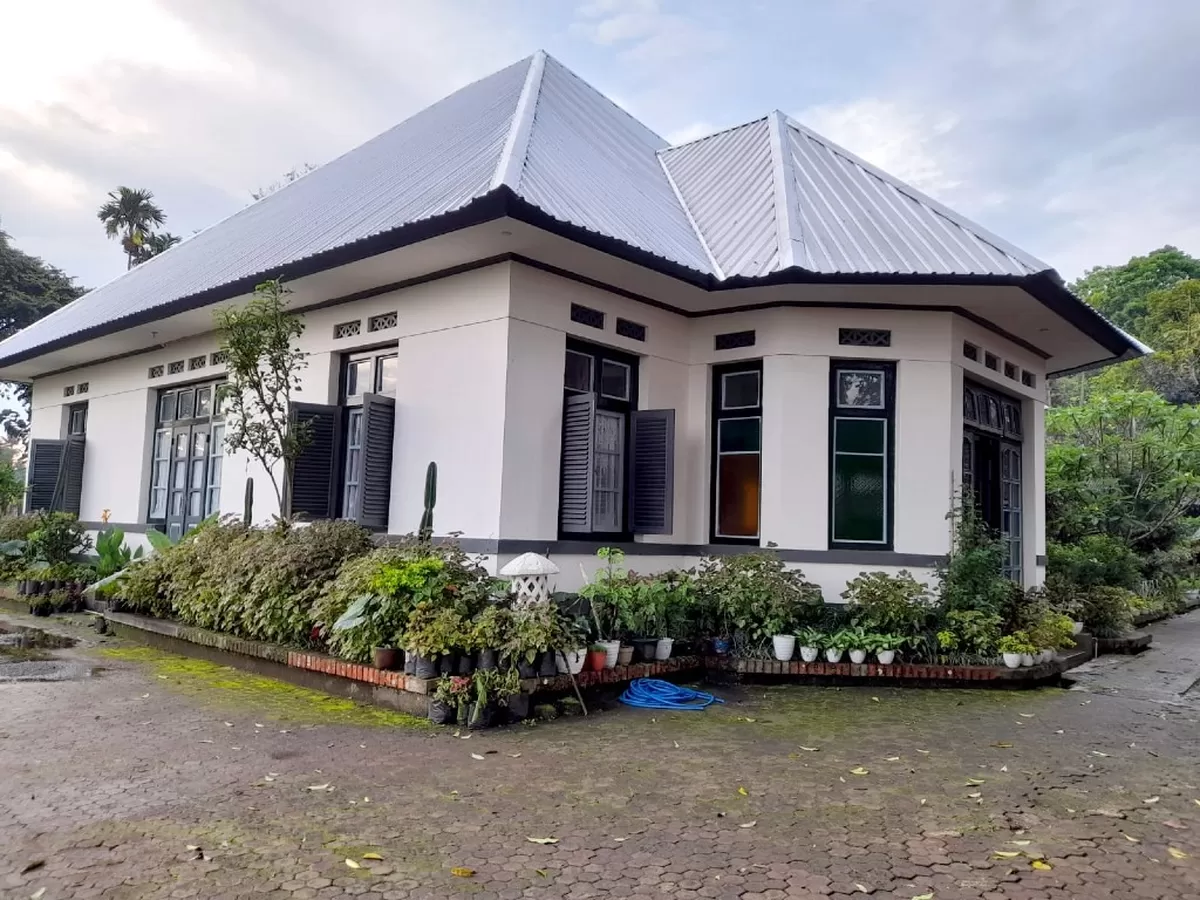
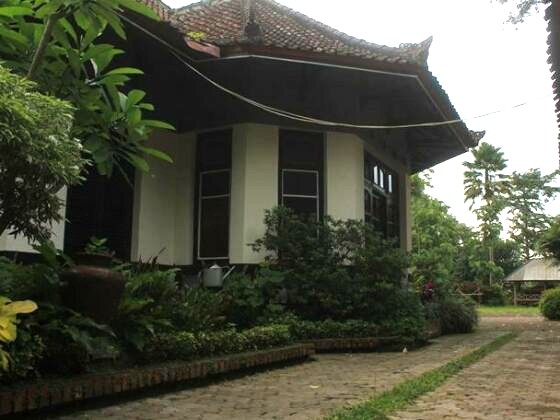
We continue north past the turnoff for another kilometre or so to reach our destination for the next couple of days: the historic Wisma Soedjono Hotel, built in the early 1930’s as the summer home of Dr Raden Soedjono.
Dr Soedjono is an important figure in Lombok history and respected as not only as a dedicated doctor for East Lombok communities but also an early pioneer of tourism for the region.
Born in Central Java in 1879 to a noble family, Dr Soedjono studied medicine at STOVIA (School Tot Atleiding Voor Inlandse), a special school established by the Netherlands under their Dutch East Indies programme to educate young indigenous doctor candidates.
He became a doctor at the age of 21and was posted to various places throughout his early career including central and eastern Java, and to the islands of Bali and Lombok in an effort to combat outbreaks of cholera.
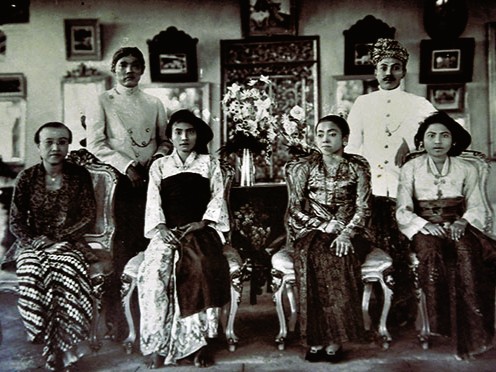
In 1920, after another posting in Java, he returned to East Lombok and decided to settle there in the city of Selong, where he spent the next 13 years working to improve the lives and the health of the local people. Today, the Dr Soedjono Hospital in Selong stands as a lasting memorial to his work in East Lombok.
While his home was in Selong, close to his medical practice, his holiday home in Tetebatu was a peaceful retreat in the hills where he often hosted visiting doctors, scholars and overseas guests, many of them Dutch dignitaries.
It was also a place where the doctor could enjoy his hobby of gardening and he planted coffee trees, apples, cloves, vanilla, herbs and medicinal plants.
After his retirement in 1934 until his death in 1944, Dr Soedjono continued to carry on important social work for local communities, including health and education programmes, environment awareness and the establishment of Tetebatu as a tourism destination.
His family still own the 40+ hectare property in Tetebatu and carry on his legacy of community service by sponsoring education of local children, replanting programmes in the nearby forests, provision of free water to the villages and other community projects.
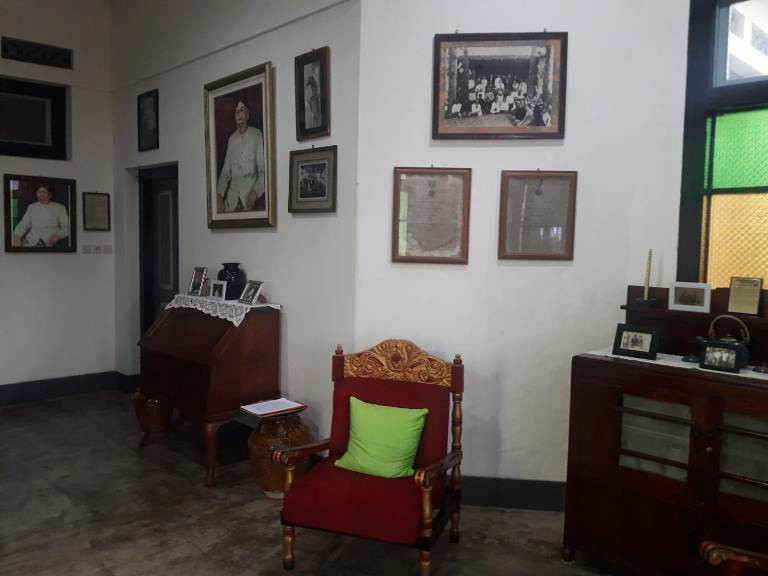
Today the original house forms the focal point of the hotel and is an elegant example of Dutch Colonial architecture. The front room serves as the reception area and houses a display of old photographs, as well as some historical documents – including the Kleine Gouden Ster (Small Golden Star) awarded to Dr Soedjono by the Netherlands government for Loyalty and Merit in August 1929 and Groote Gouden Ster (Great Golden Star) awarded in August 1933.
Over the years, 28 rooms have been added to the property, ranging from basic standard rooms to superior cottages with hot water showers and nice views. All rooms are simple but comfortable; there is no air conditioning but in this cool climate, around 500m above sea level, it is not needed. You may even need some warm clothes for the evenings, as it can get quite chilly.
The restaurant serves breakfast, lunch and dinner with many local specialties available, some of which are prepared with vegetables, herbs and spices grown in the hotel gardens. The coffee is home-grown, full of flavour and delicious.
The hotel provides an ideal base for exploring the area and learning about the history and culture of the indigenous Sasak community. Spend some time wandering around the gardens and taking in the views across the rice paddies in the valley below.
While many people come for a day trip and lunch at the restaurant, it is worth spending some days in Tetebatu to really get a feel for this unspoiled area.
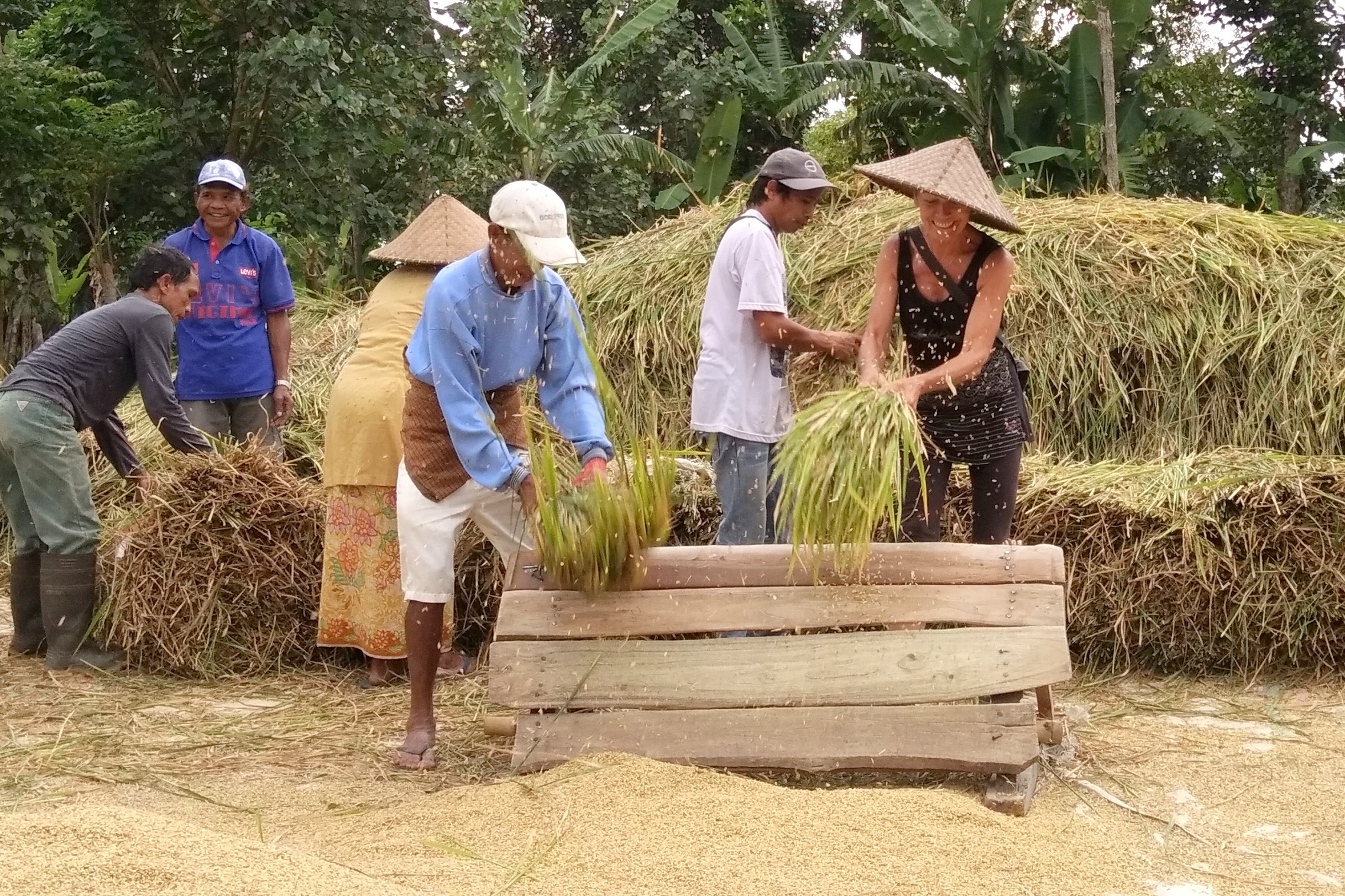
Walk along the rice fields, view the daily activities of the farmers and talk to the friendly local people who welcome visitors. Visit the villages where people make coffee and tofu, traditional bricks and roof tiles, woven fabrics, bamboo products and the nearby village of Loyok to see woven rattan crafts.
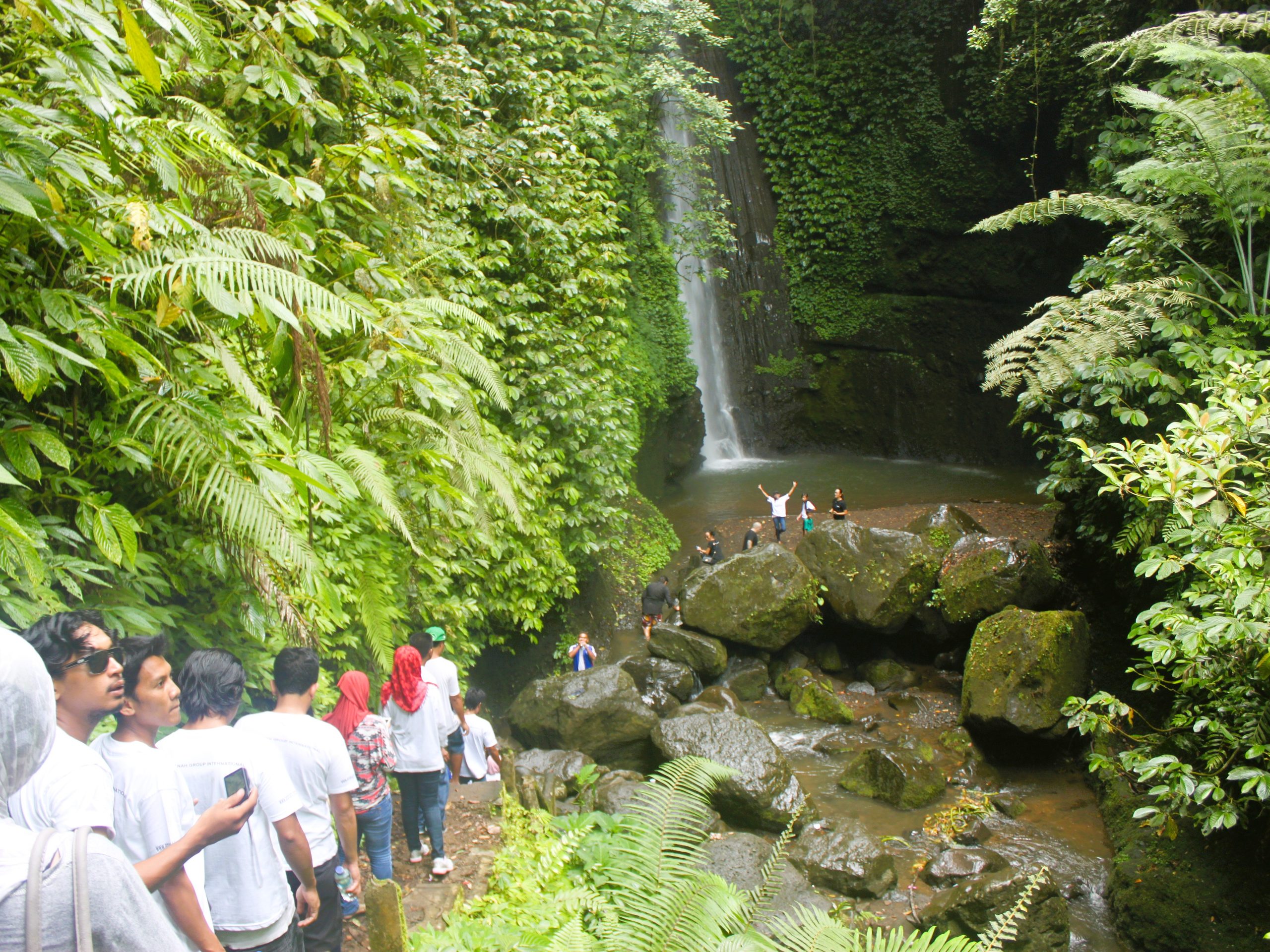
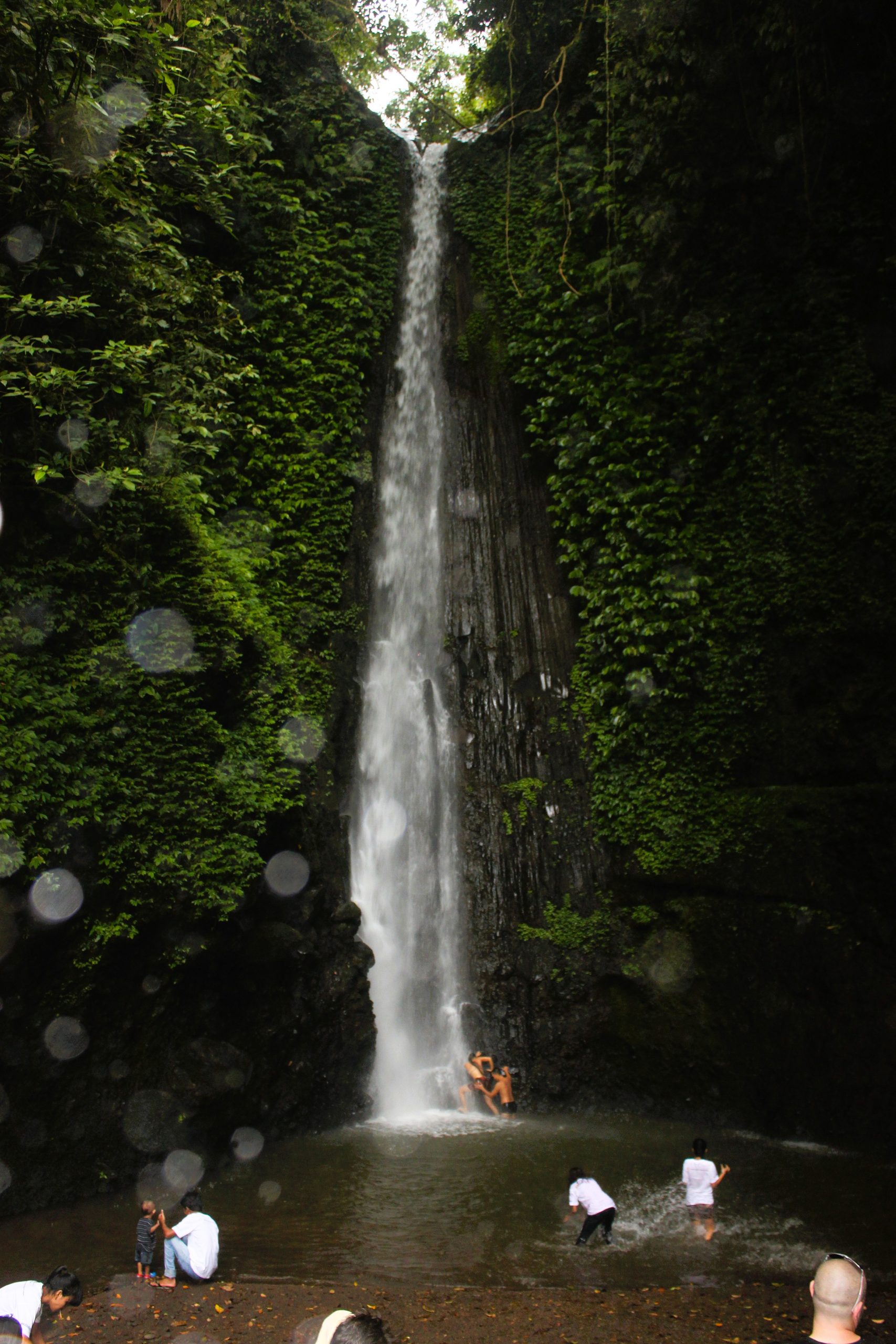
One popular trek from Tetebatu is to Jeruk Manis Waterfall (Air Terjun Jeruk Manis). On the trek offered by the hotel, guests walk through the forest to discover coffee, vanilla, nutmeg, cloves and pepper growing. There is an abundance of wild life to be seen, including grey monkeys and the occasional rare black ebony leaf monkeys.
The highlight of the trek is the waterfall, which drops from around 20m into a fairly deep pool at the base surrounded by large rocks. It is a popular swimming spot and the water is very cold but wonderfully refreshing!
After the visit to the waterfall, return via the village with a stop to drink the sweet, rich locally-grown coffee in a local home.
While we are loathe to draw comparisons between Bali and Lombok these days, many compare Tetebatu to how the village of Ubud must have been in the past.
However, you won’t find yoga retreats and organic restaurants (and certainly not Starbucks!) in Tetebatu… the area is wonderfully natural and ‘un-touristy’.