BAU NYALE – Lombok’s Unique Festival!
One of Lombok’s most important and popular festivals takes place at the beginning of this month. Bau Nyale is a cultural tradition, deeply rooted in local legend and drama, and unique to the island of Lombok.
Bau Nyale means “to catch the sea worms” in the local Sasak language. The sea worms are a rare variety of Palolo worm (Eunice viridis) found in tropical waters in different parts of the world and particularly in Lombok, Sumba and Savu in Indonesia.
Once a year – when seasonal, marine and lunar conditions combine – the Nyale come to certain beaches around Lombok to spawn and, for a few days, the seas are filled with wriggling sea worms in a variety of colours, ranging from simple brown to red and green.
Bau Nyale, or the Nyale Festival, takes place every year in the tenth of month of the Sasak calendar at a time close to the full moon, and is celebrated in either February or March each year.
The Nyale spawn along many of the beaches of the south coast, including Selong Belanak and Kaliantan Beach near Jerowaru, but the main site for the Bau Nyale event is at Seger Beach.
The lead-up to the festival starts several days before, with events usually held around Kuta Mandalika.
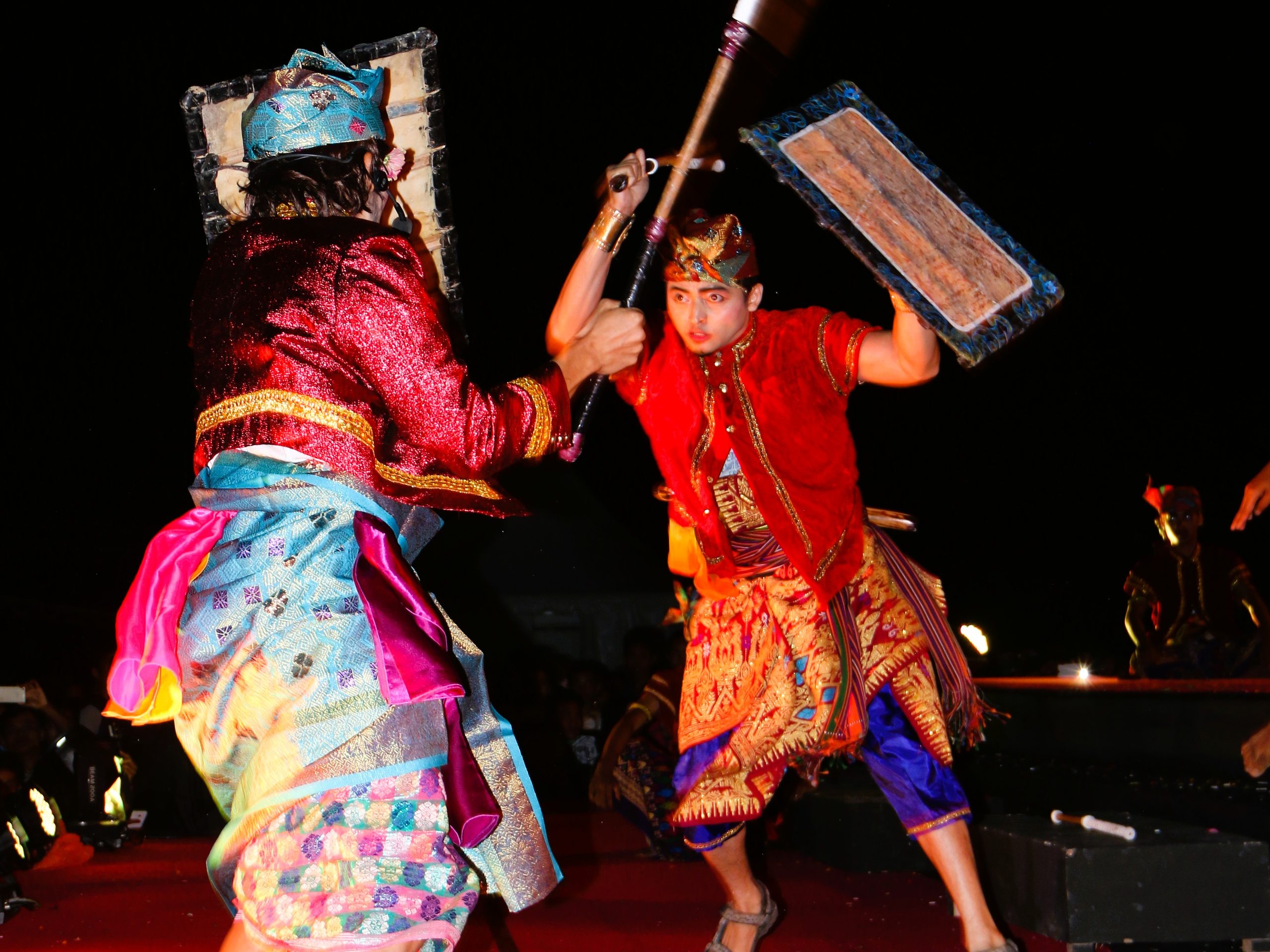
Peresean (traditional stick fighting competitions) will be held in the field near Nurul Bilad Mosque in Kuta every day.
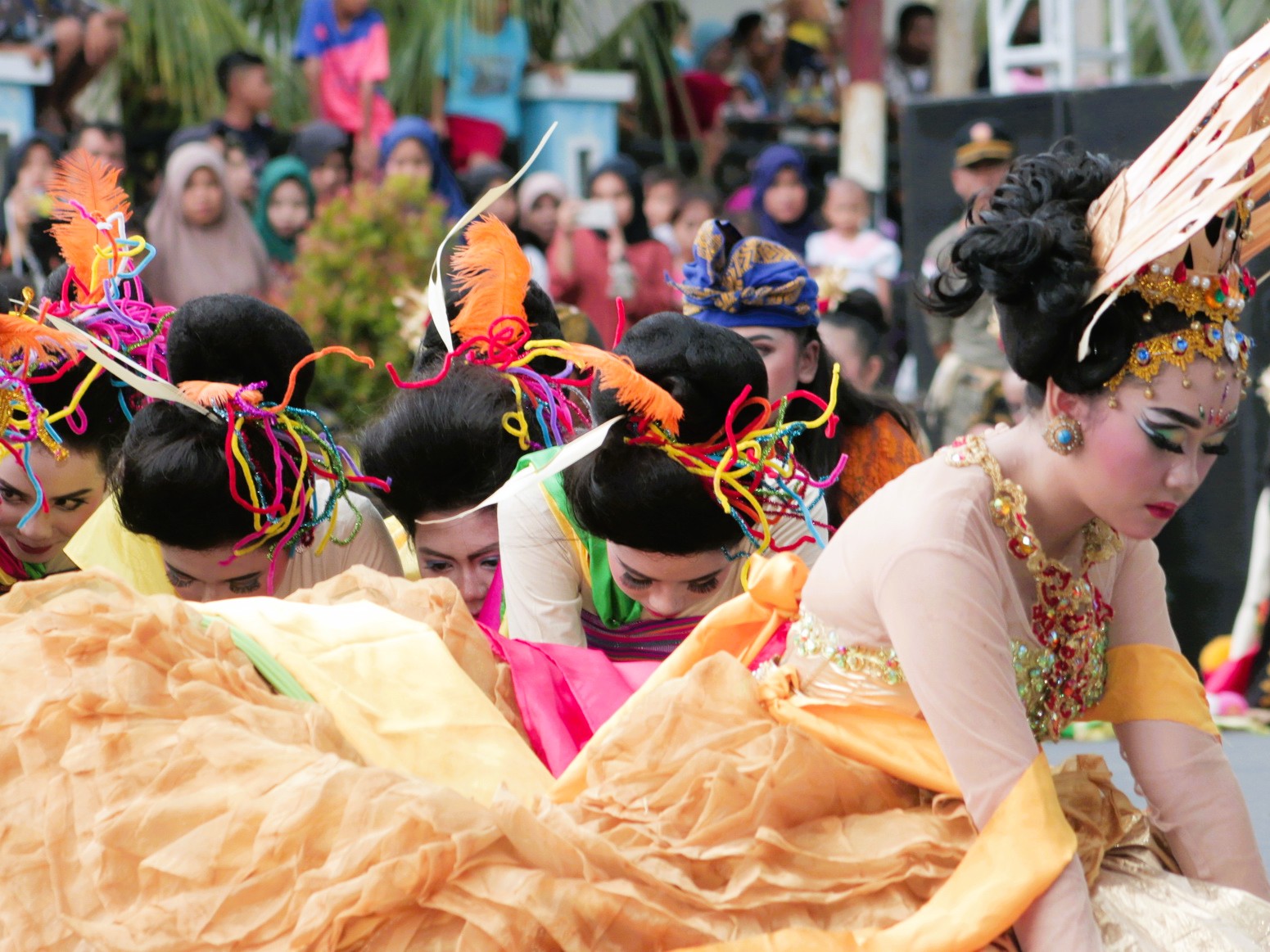
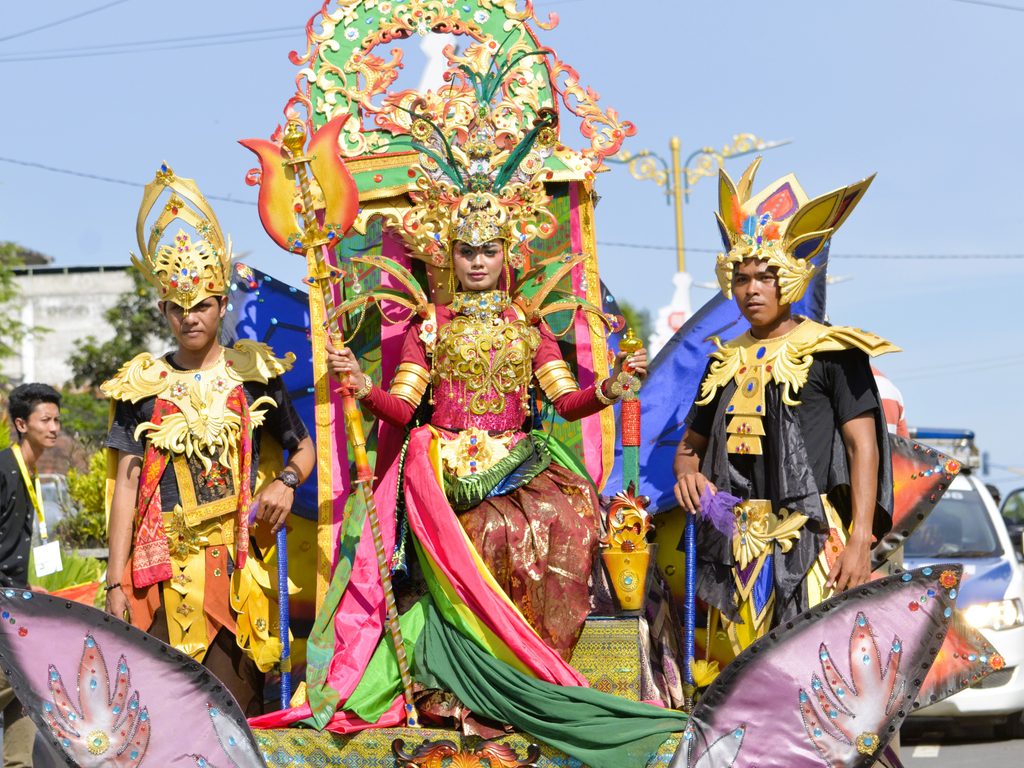
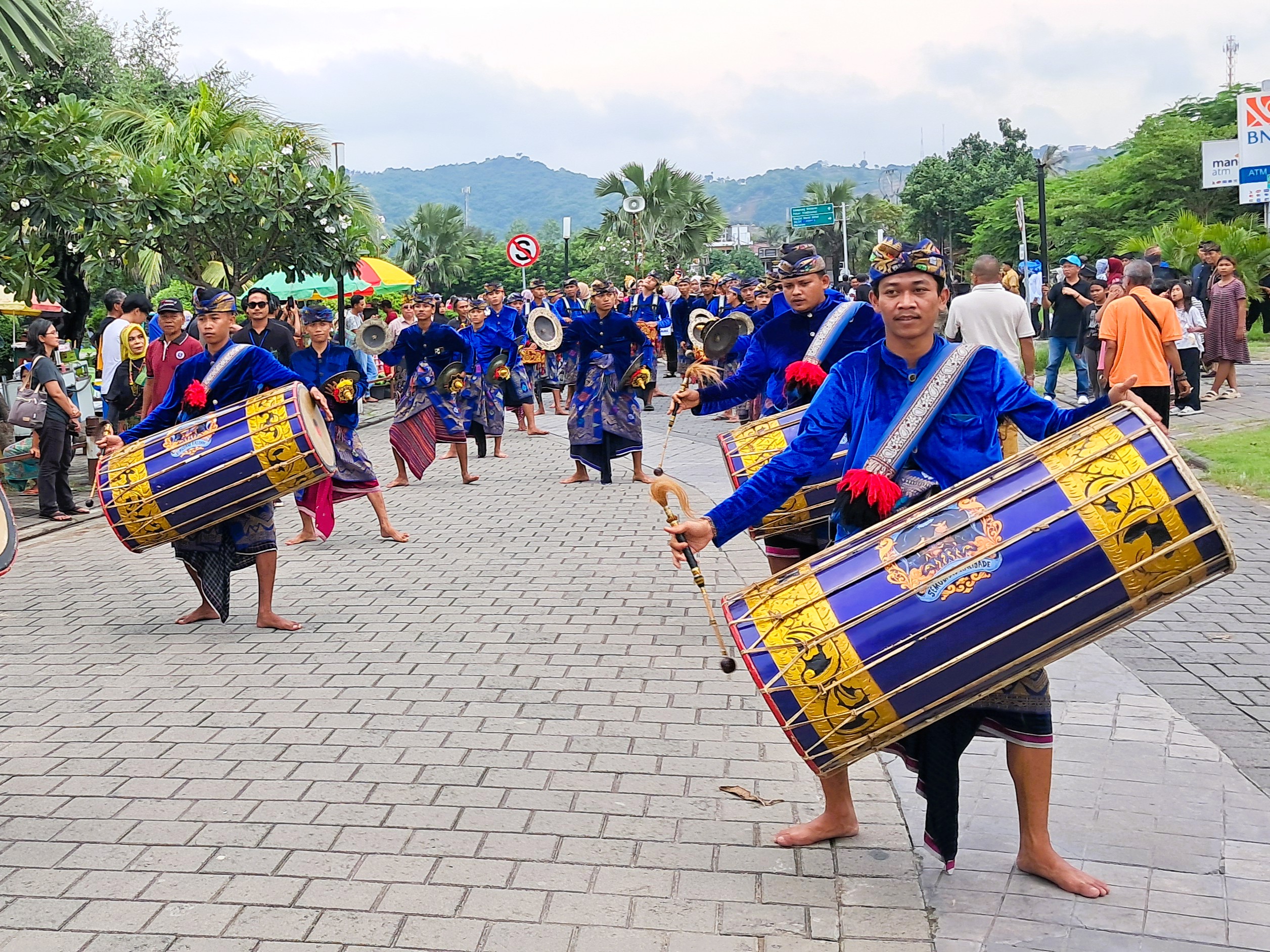
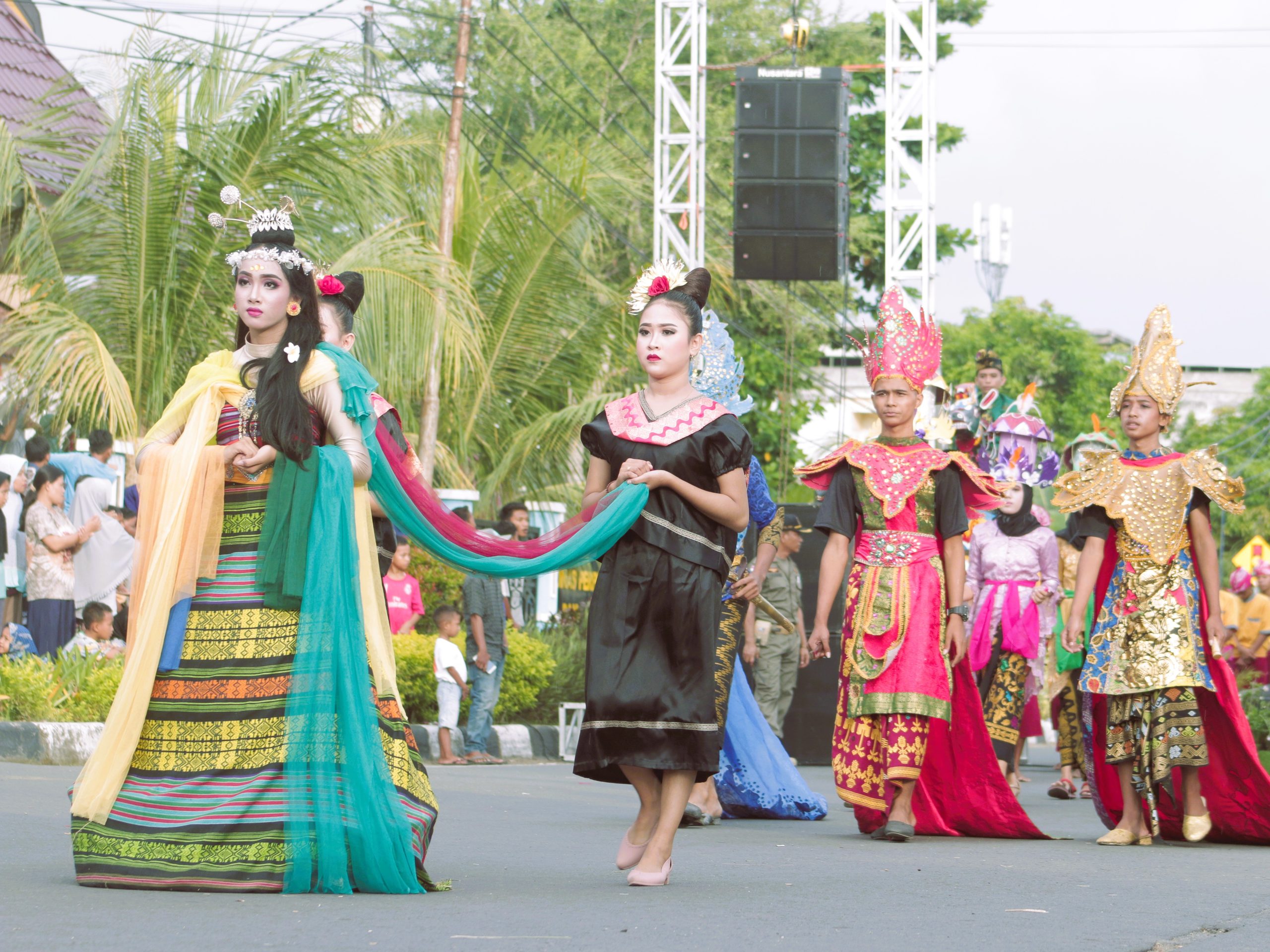
There is also a parade featuring competitors for the title of Putri Mandalika, with “hundreds” of young Sasak ladies in fabulous costumes dressed as Princess Mandalika, vying for the crown and the opportunity to represent Lombok at various events throughout the year.
Other entertainment consists of markets, food, traditional music and dancing, and live bands playing on the beach at the main event.
The government only releases the festival programme shortly before the event, so we are unable to publish dates and times for other activities but ask around locally in the week before Bau Nyale to get the latest information.
In the late afternoon of the main event, a long train of traffic makes its way to Seger Beach, around 5kms to the east of Kuta. Tens of thousands of people amass on the small road leading to the beach; typical waits for entrance can stretch to two hours. This doesn’t deter the crowds, however, and the overall festive atmosphere.
On the land surrounding the beach, stalls and warung selling drinks and foods are set up, and different performances are held on the beach. The main stage features the core performances that are an essential part of the Bau Nyale festival, in particular the theatrical drama which re-enacts the legend of PrincessMandalika.
If you want to witness Bau Nyale, stay in Kuta and arrange transport early – this popular festival attracts people from around the world.
The highlight of the Bau Nyale festival is the theatrical dance and music drama which re-enacts the legend of Putri (Princess) Mandalika and is the basis for the magic surrounding the Bau Nyale festival.
According to legend, in ancient times, the island of Lombok was divided into kingdoms. On the south coast of Lombok there was a kingdom called Tonjang Beru. Tonjang Beru was ruled by King Raden Panji Kusuma, who was known for his wisdom and good sense, often helping people to solve problems and conflicts.
Thanks to the leadership of the king and his queen, Dewi Seranting, the people of Tonjang Beru lived prosperously, safely and peacefully.
The king and queen had a daughter named Putri Mandalika. The princess was very beautiful and was known throughout the land for her beauty, elegance and kindness.
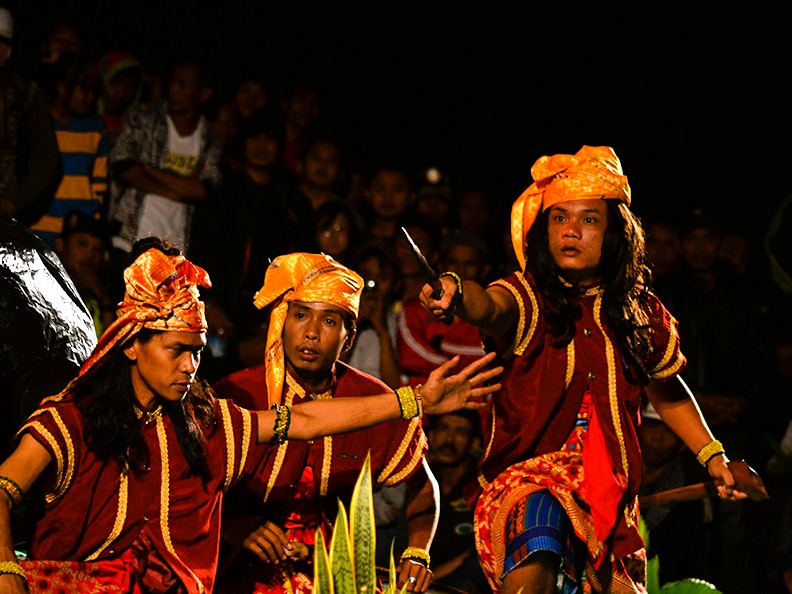
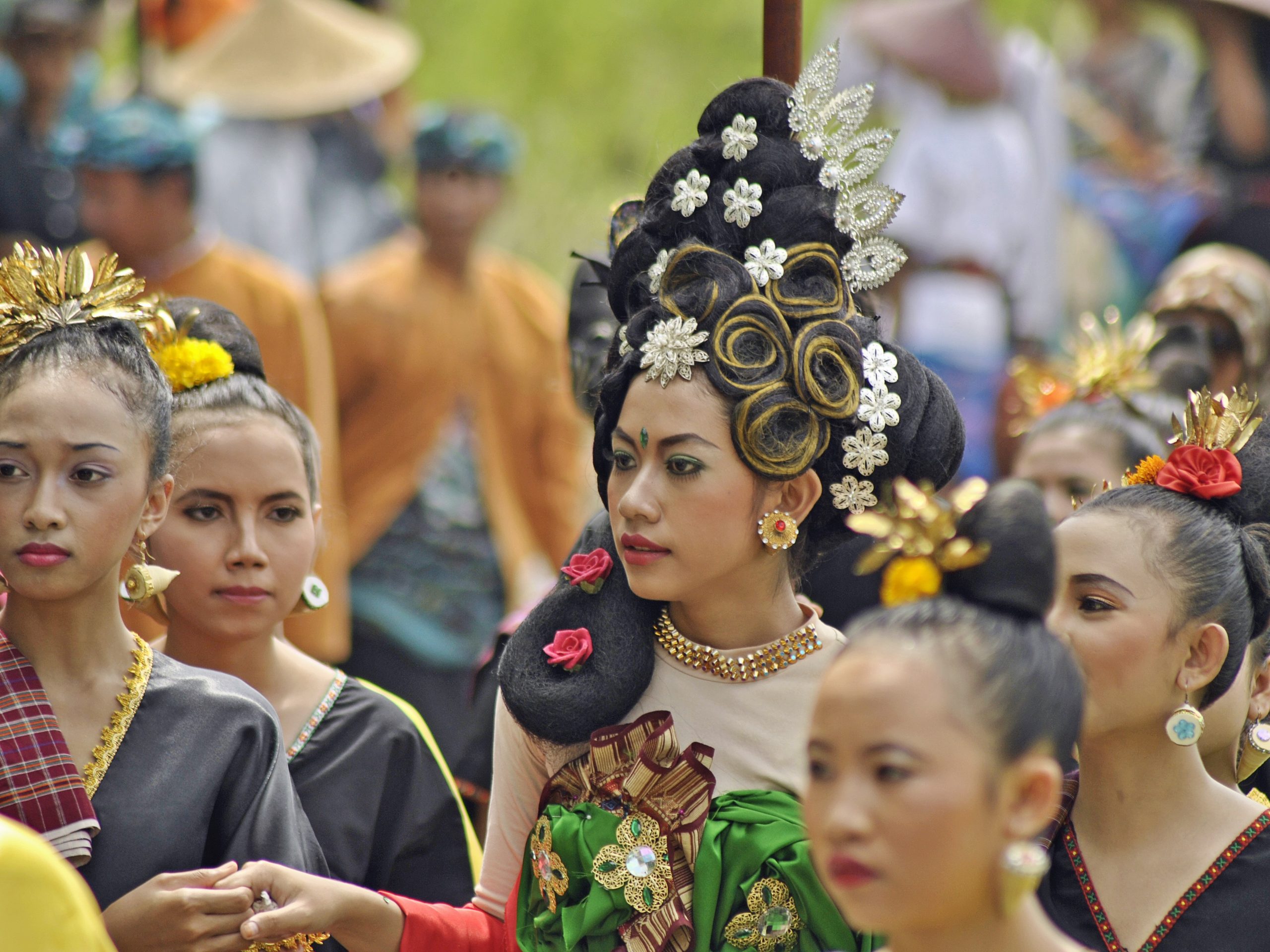
When she was of suitable age to marry, princes and suitors travelled to the kingdom to ask for her hand. Among her suitors were the princes of the different Sasak kingdoms of Lombok – Johor, Lipur, Pane, Kuripan, Daha, and Beru kingdoms.
So many men wanted to marry her that it began to cause trouble between the people, leading to tensions and threats of war between the rival kingdoms. The princess became unable to choose between them, fearful that her decision would cause further strife.
Finally, the princess’s father gathered all the rivals together and instructed Princess Mandalika to choose her husband before sunrise the next morning.
Early on the morning of the 20th day of the 10th month (in the Sasak calendar), everyone gathered on the beach to hear who the princess would choose.
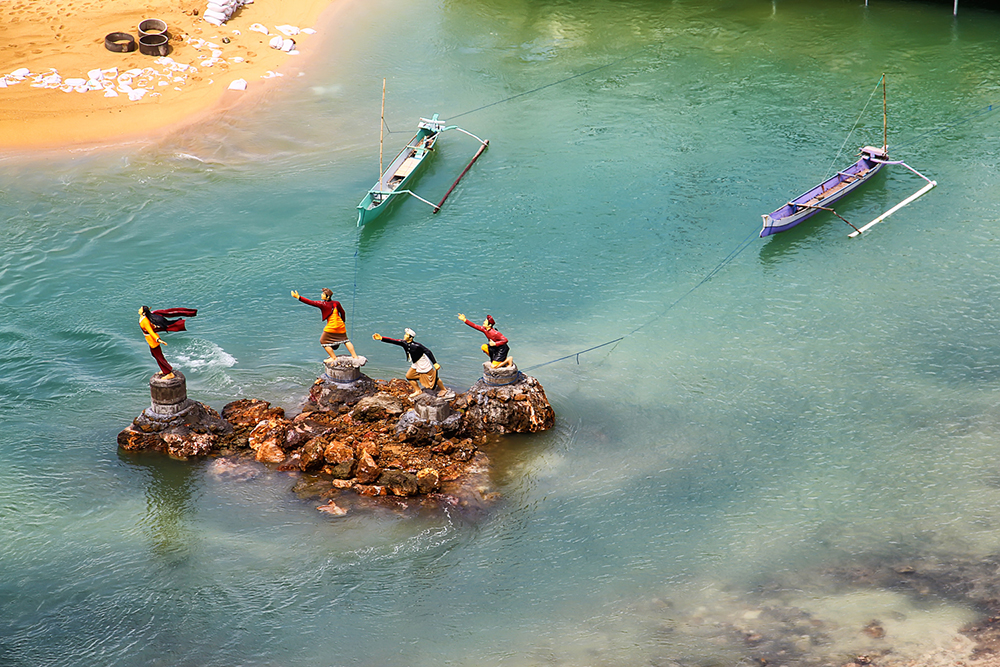
Just as the sky turned red on the eastern horizon, the beautiful and graceful princess arrived. Climbing onto a pile of stones, her back to the open sea, Princess Mandalika turned to address the entire audience.
Facing the people before her, Princess Mandalika declared that – even if she loved one of the suitors – she loved her parents and her kingdom too much to cause any more trouble. Saying that, rather than choose one, she would give herself to everyone, she threw herself into the sea – declaring that she would return each year as a sign that she would never leave her people.
Everyone immediately searched the sea for the princess, but instead they only found masses of colourful sea-worms, called Nyale.
According to a local priest, or Dukun, the princess’s body had been transformed into these sea worms, and thus they became a traditional symbol for the Sasak people.
Other legends say that the strands of the Nyale worms are the princess’s long hair, floating in the water where she drowned.
Whether or not the stories are true, the legend continues to be celebrated and has become a parable of sacrifice for the sake of the greater good; re-enacted each year at the Bau Nyale festival as a reminder to the community.
The Putri Mandalika drama is one of the most unique and enchanting cultural performances to be found in Lombok.
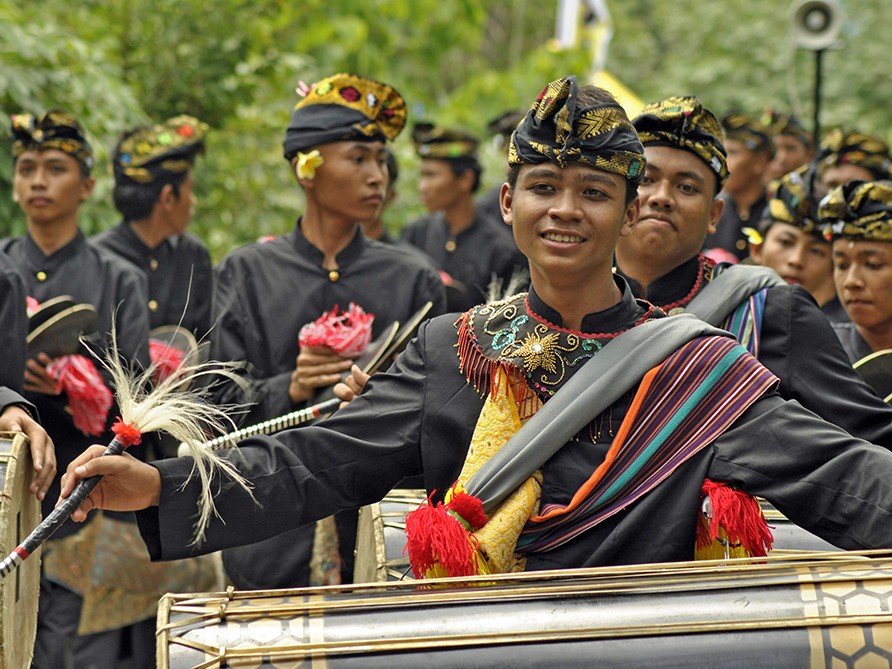
The spell-binding and well-acted spectacle features beautiful and authentic Sasak costumes, traditional music, drumming, peresean (stick fighting) and gamelan; and is a fascinating insight into the life and history of our island, during the times when Lombok was ruled by kingdoms and Sasak royalty.
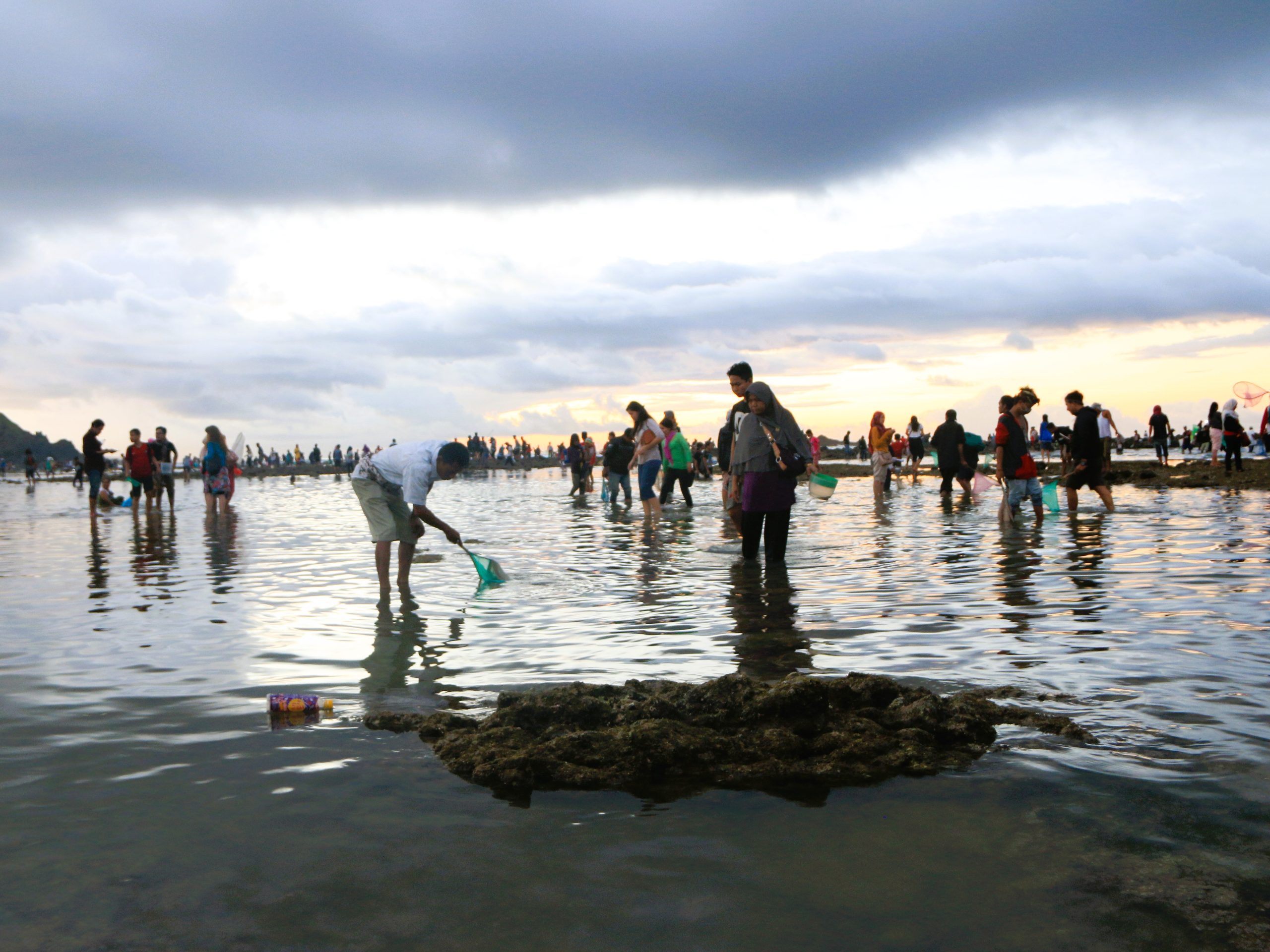
At the end of the drama thousands of people make their way down to the beachfront to see if the Nyale have started to appear. Excited crowds splash into the water carrying small nets, buckets and torches, hoping to be the first to catch a Nyale worm.
No one really knows for sure when the Nyale will appear, so anticipation is high prior to the first sighting. The first catches start around 2am and by sunrise the beachfront is an awesome sight, swarming with thousands of wet, happy people scooping up the worms with nets, buckets, shirts and anything else they can use to catch them!
The highlight of the ceremony occurs when the Dukun (local priest) wades into the sea to observe the spawning Nyale and predict the future rice harvest, based on the number of sea worms.
A good catch is a sign that this year’s rice harvest will also be good. Nyale are traditionally associated with fertility and the sea worms are often ground up and placed in irrigation channels around fields to help ensure a good harvest.
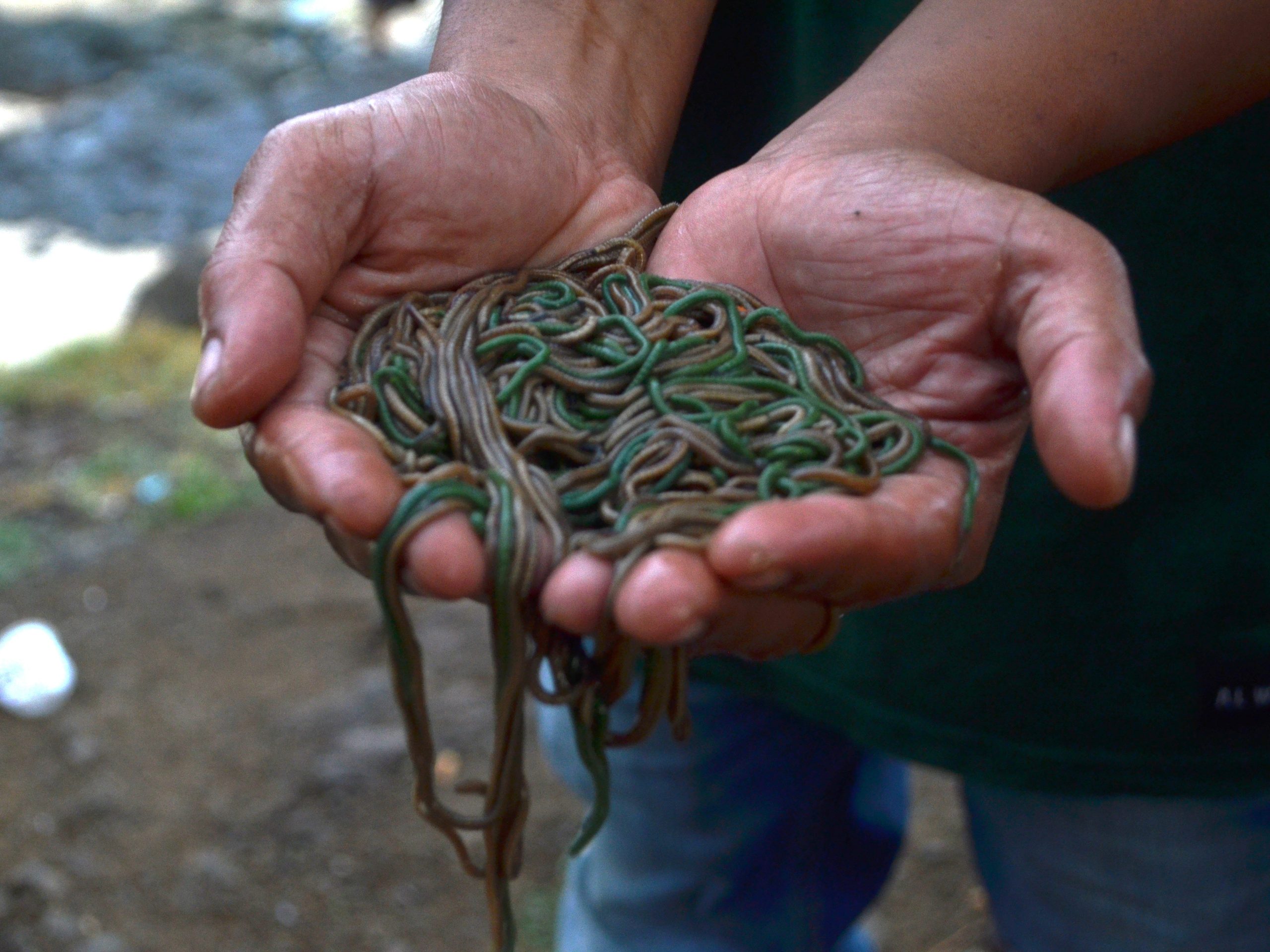
Considered a rare delicacy, the people collect the worms and eat them as a special annual feast. Nyale are sometimes eaten raw when they are caught, but more often are steamed, fried, or made into Pepes Nyale. In this popular local specialty, the Nyale are mixed with coconut and spices, then wrapped in a banana leaf and roasted over the fire.
The sea worms are rich in protein and are also believed to have aphrodisiac properties, so the feasting takes place with much amusement and gusto!