THE FALL OF THE KINGDOM
This is Part 2 of our two-part historical feature on Cakranegara.
Part 1, “When Kings Walked the Land”, was published last month in our May issue. Read online at: issuu.com/thelombokguide
By the early 1700s, Balinese settlers were well established in Lombok. In the mid-18th century, the Karangasem Kingdom of Bali launched military campaigns across the island, eventually taking control of several regions. This led to the creation of Balinese-led kingdoms in Lombok, first in Mataram and later in Cakranegara.
By 1838, Balinese rule had unified much of Lombok under the Mataram Kingdom, though the indigenous Sasak population retained influence in the east. The relationship between the Balinese rulers and the Sasak people was complex – marked by periods of cooperation, cultural integration, and violent conflict.
Relations between the Sasak and Balinese in western Lombok were largely harmonious and intermarriage was common. Balinese Hindu culture blended with local Sasak customs.
In the island’s east, however, relations were less friendly and the Balinese maintained control from garrisoned forts.
The earliest ruler, King Anak Agung Gde Ngurah Karangasem –
recognising that the majority of Lombok’s population were Sasak Muslims, followed by Balinese Hindus, Makassarese, Chinese, Arabs, and Europeans – sought to encourage religious and social harmony.
According to local accounts, he took a wife from the Sasak tribe, named Dinda Aminah, and throughout the marriage, encouraged her to maintain relationships with her Sasak community and to practice her Muslim religion.
According to local tradition, he even built a mosque close to the royal palace for her and assisted Sasak pilgrims journeying to Mecca.
Unfortunately, later generations of rulers were less tolerant. The Balinese-Hindu elite began to dominate the local majority and tighten control.
While Lombok became politically strong and economically prosperous, the burdens fell heaviest on the common people. The Balinese rulers placed restrictions on Islamic practice, imposed heavy taxes, forced labour (known as rodi), and conscripted locals into military service.
Sasak aristocracy lost much of its power and land holdings. Sasak village government remained in place, but the village head became little more than a tax collector for the Balinese. These taxes funded royal extravagance and military campaigns, and were collected with brutal efficiency.
The Praya War (1891–1894)
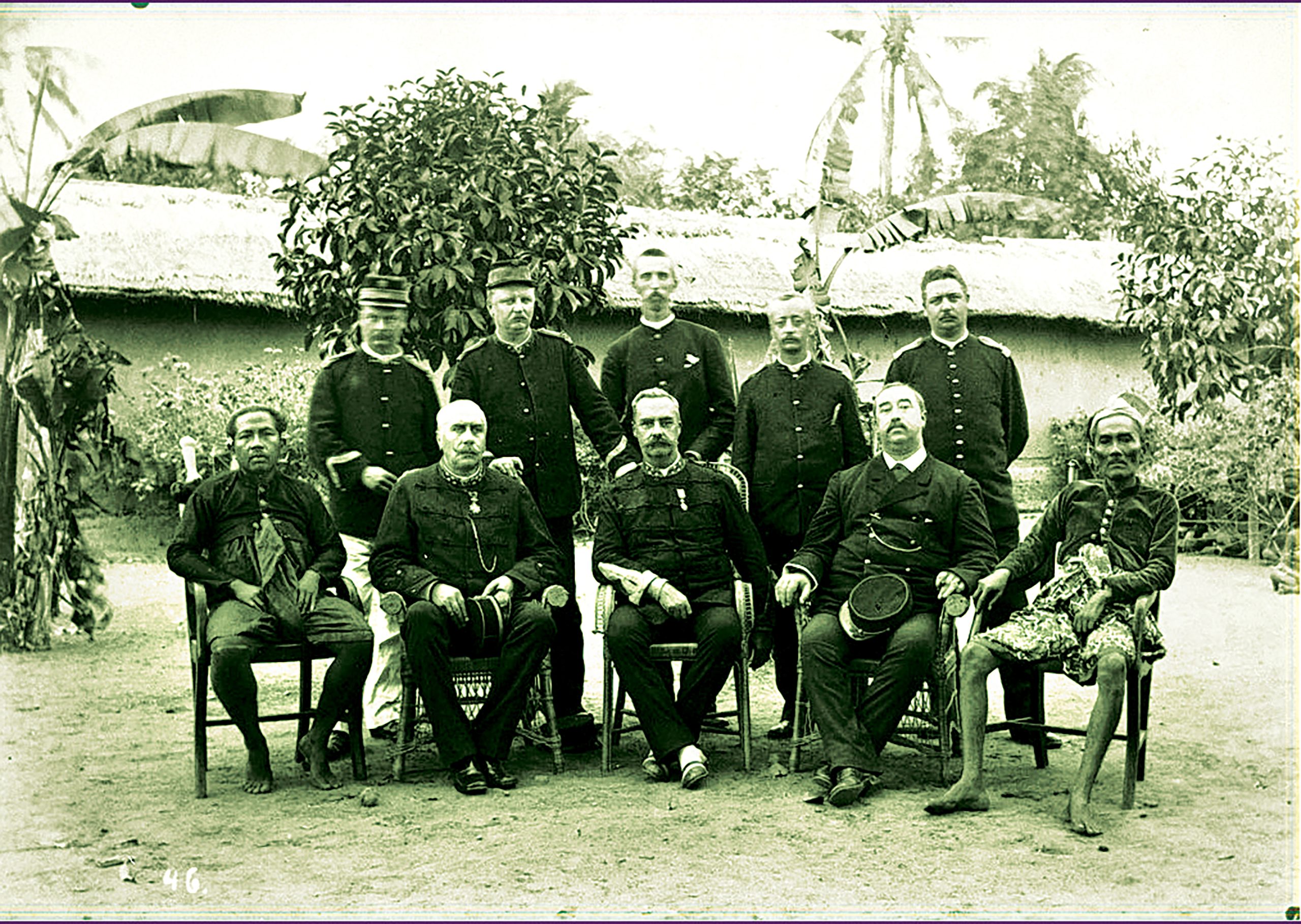
By the late 1800s, the kingdom was ruled by Anak Agung Gde Ngurah Karangasem II, a descendant of the Karangasem kingdom with the same name as the original king. By now, resentment had grown and there were uprisings and rebellions, particularly in East Lombok, where Sasak Muslims were stronger in number.
Tensions reached breaking point in 1891 with a Sasak rebellion centred in Praya, part of the historic Selaparang region.
The uprising gained momentum across East Lombok. On August 25, 1891, the Balinese court responded with large-scale military force. Prince Anak Agung Ketut Karangasem led 8,000 troops to suppress the revolt, followed on 8 September by 3,000 more under his brother, Anak Agung Made Karangasem. When both failed to quell the rebellion, reinforcements were requested from Bali. The campaign dragged on for three years, from 1891 to 1894, marked by brutal crackdowns, massacres and widespread destruction.
In desperation, Sasak leaders appealed to the Dutch East Indies government for intervention. The Dutch, eyeing Lombok’s strategic value and rich trade network through Ampenan port, now had the pretext they needed.
Dutch Intervention
The Dutch already desired to extend their East Indies holdings and to control Lombok, which at that time was a rich and prosperous region, with a progressive government and thriving international trade through the port of Ampenan.
The Dutch colonialists were also concerned that the Lombok rulers had been establishing good relations with the UK for some years, mainly through trade.
The Dutch took full advantage of the internal strife and, in 1894, the Royal Netherlands East Indes Army, the King and the people of Lombok were to collide in battles that would change the course of history.
The Battle of Cakranegara
In July 1894, Dutch troops landed in Ampenan with orders to subdue the Balinese court.
They issued a seven-point ultimatum to the king, the context of which was that the king must acknowledge and obey all the orders of His Excellency the Governor General Hinda of the Netherlands.
One of the demands was very difficult for the king to fulfil, which was a demand that his son, Prince Anak Agung Made Karangasem, be handed over for exile to the Netherlands.
Negotiations failed, and Dutch forces began advancing inland. They established camps near the palaces at Mataram and Cakranegara.
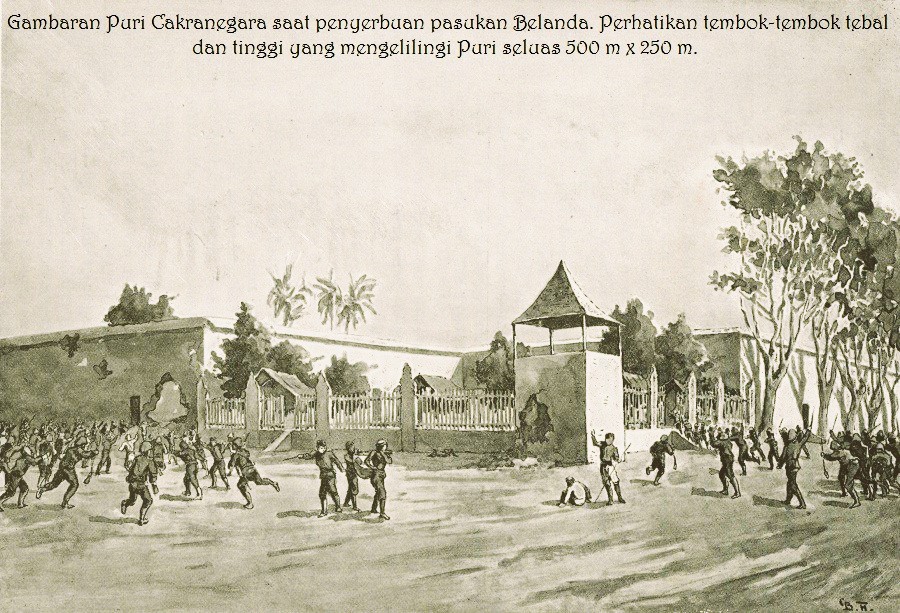
In Cakranegara, the Dutch were camped in front of the palace (present-day Cakranegara market), facing the huge fortified wall of the palace compound.
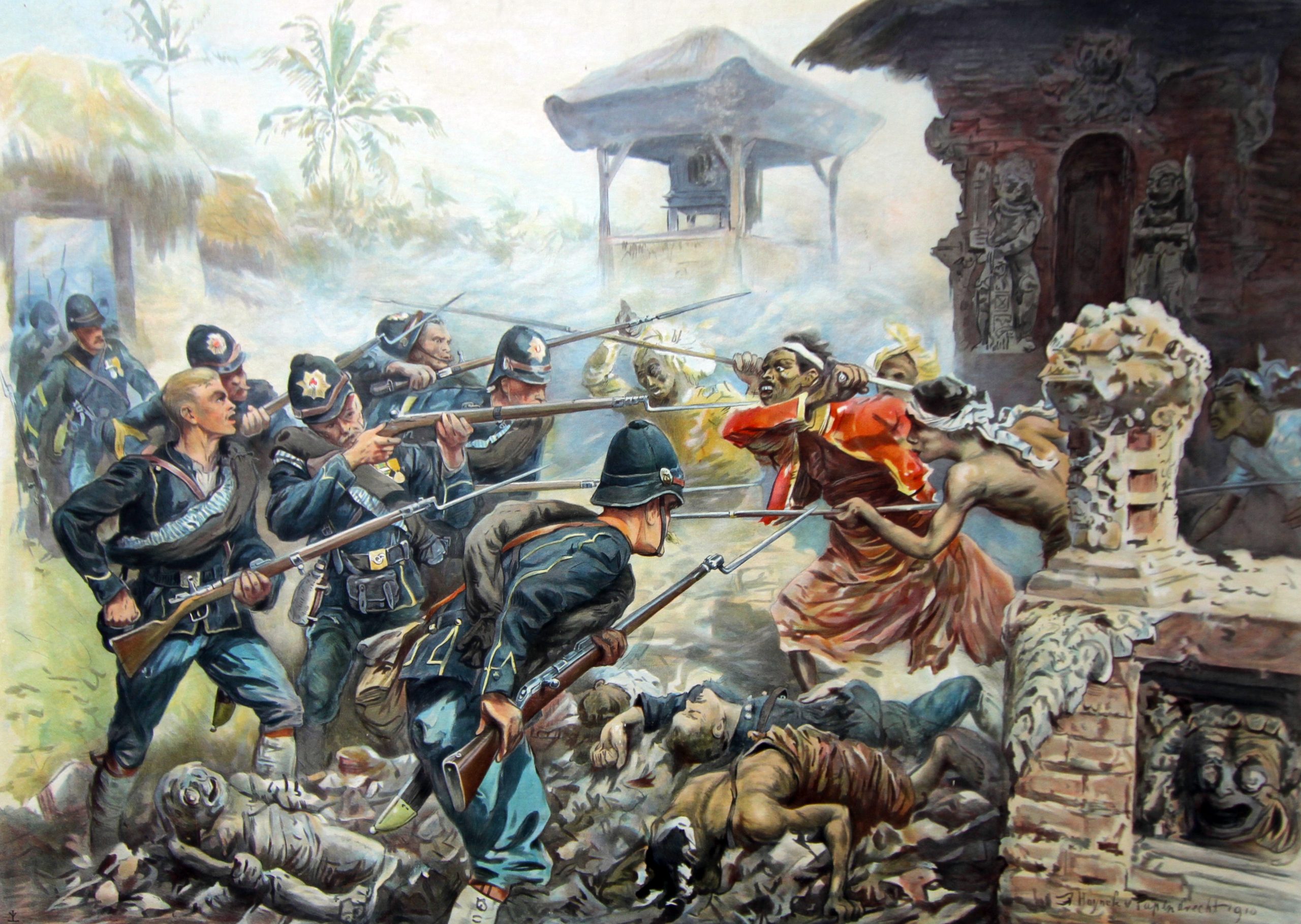
On 25 August 1894, late at night, the Balinese launched a surprise attack on the Dutch encampment. The Dutch troops were sleeping and were caught off guard. Shots and screams could be heard throughout the night.
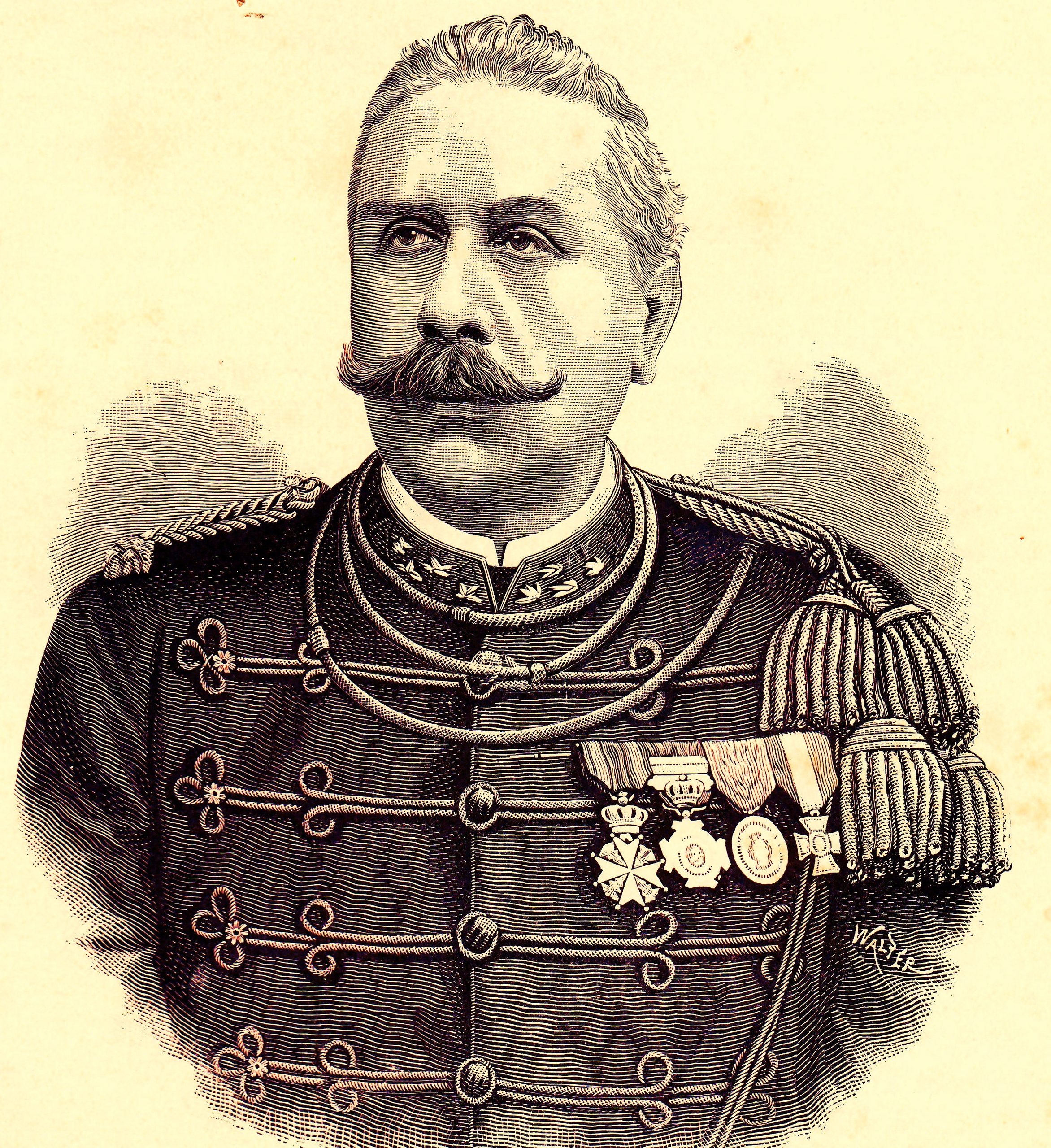
As a result of the attack, the Dutch lost over 500 soldiers and officers. Among those killed was General PPH van Ham, commander of the Dutch troops.
The other Dutch camp further east at Mataram (Karang Jangkong) was also attacked and soon the entire Dutch army on Lombok was forced back to Ampenan. This defeat – one of the worst in Dutch colonial history – shocked Batavia and The Hague. Dutch newspapers denounced the “treachery” of the Balinese, and reinforcements were swiftly dispatched.
The Lombok War
On 2 September, the Dutch reinforcements arrived in Ampenan under the command of General JA Vetter.
Their first target was Pagesangan village, which endured five days of artillery bombardment. Hundreds were killed, one of whom was Anak Agung Putu, the grandson of King I Gusti Gde Karangasem.
The city of Mataram was attacked on 29 September, with the Dutch fighting street to street against the King’s soldiers and Lombok civilians. People would rather die than be captured by the enemy.
The war raged fiercely, all the troops and the people of Mataram took part in the war – women and children included. The Dutch did not expect to face such formidable resistance and were forced to fight against every person and every house.
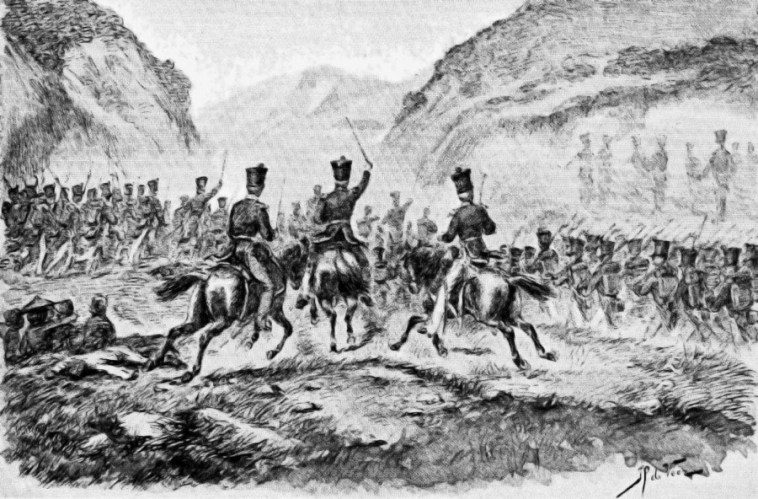
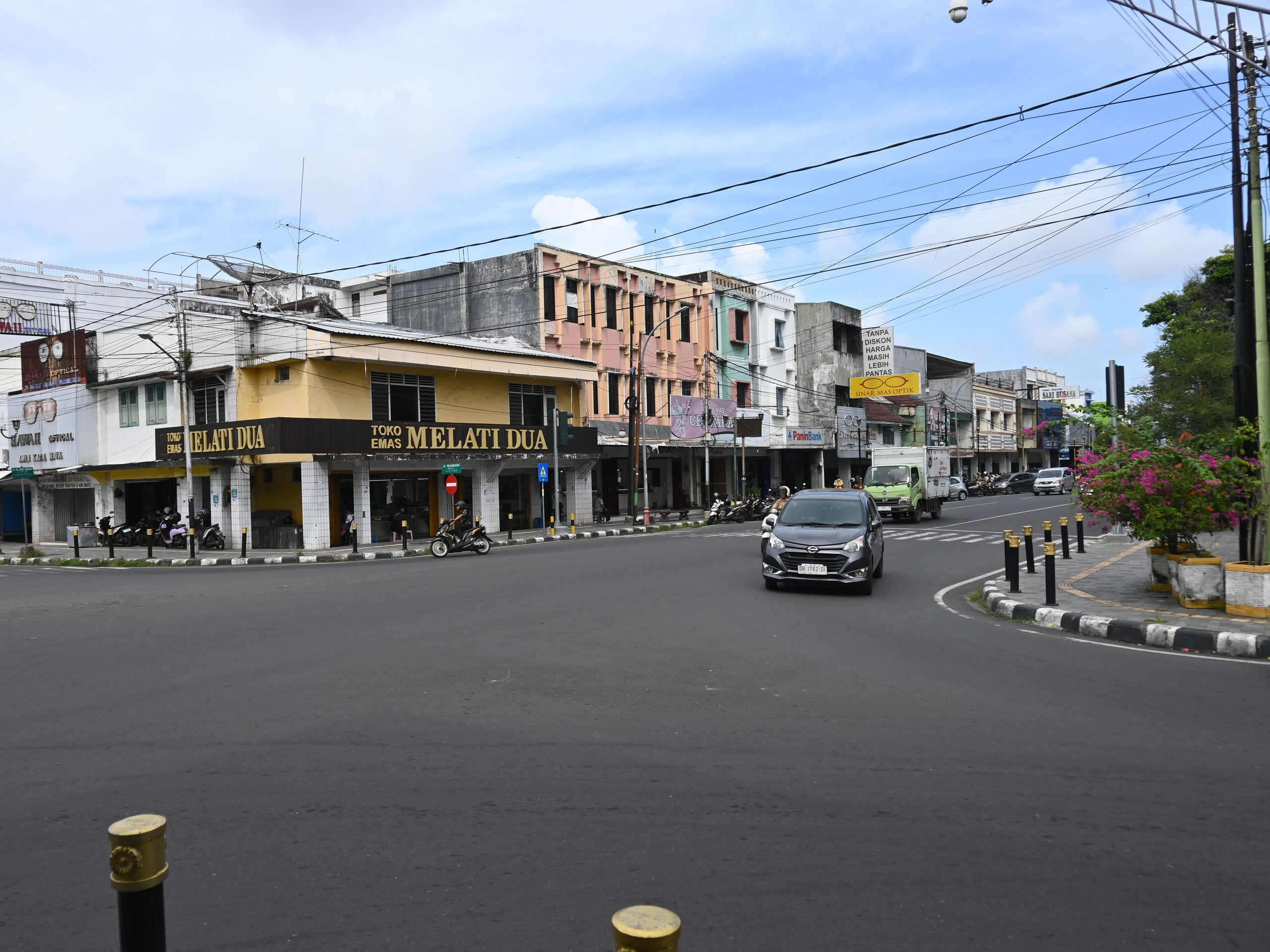
In the end, corpses lined the streets from Mataram to Cakranegara; approximately 1000 souls fell from the Mataram side.
The crown prince, AA Ketut Karangasem, was killed at Mataram Palace and the rest of his supporters retreated to Cakranegara palace, where they had well-armed defensive positions.
Once occupied, Mataram was ordered to be razed to the ground. The destruction took over two months and explains why there is little left to be seen of the glorious history of the city today. On 11 October, the focus shifted to the Ukir Kawi palace in Cakranegara, the kingdom’s last stronghold.
For over a month, bullets and canon fire rained down on the city of Cakranegara, On 18 November 1894, the Dutch systematically fired cannons on Balinese positions, destroying the palace and killing around 2,000 Balinese, while losing 166 themselves.
In the afternoon, the Dutch finally managed to break through the walls of the palace, where the defenders fought bravely in one-on-one duels.
On the night of 18 November, the King, together with an entourage of his family and courtiers, escaped to the village of Sasari.
Looting the Treasures
Before razing the royal compounds to the ground, Dutch troops and officers looted the palaces. In Mataram, they seized over 1,000 pounds of gold and 7,000 pounds of silver, and that was only part of the booty.
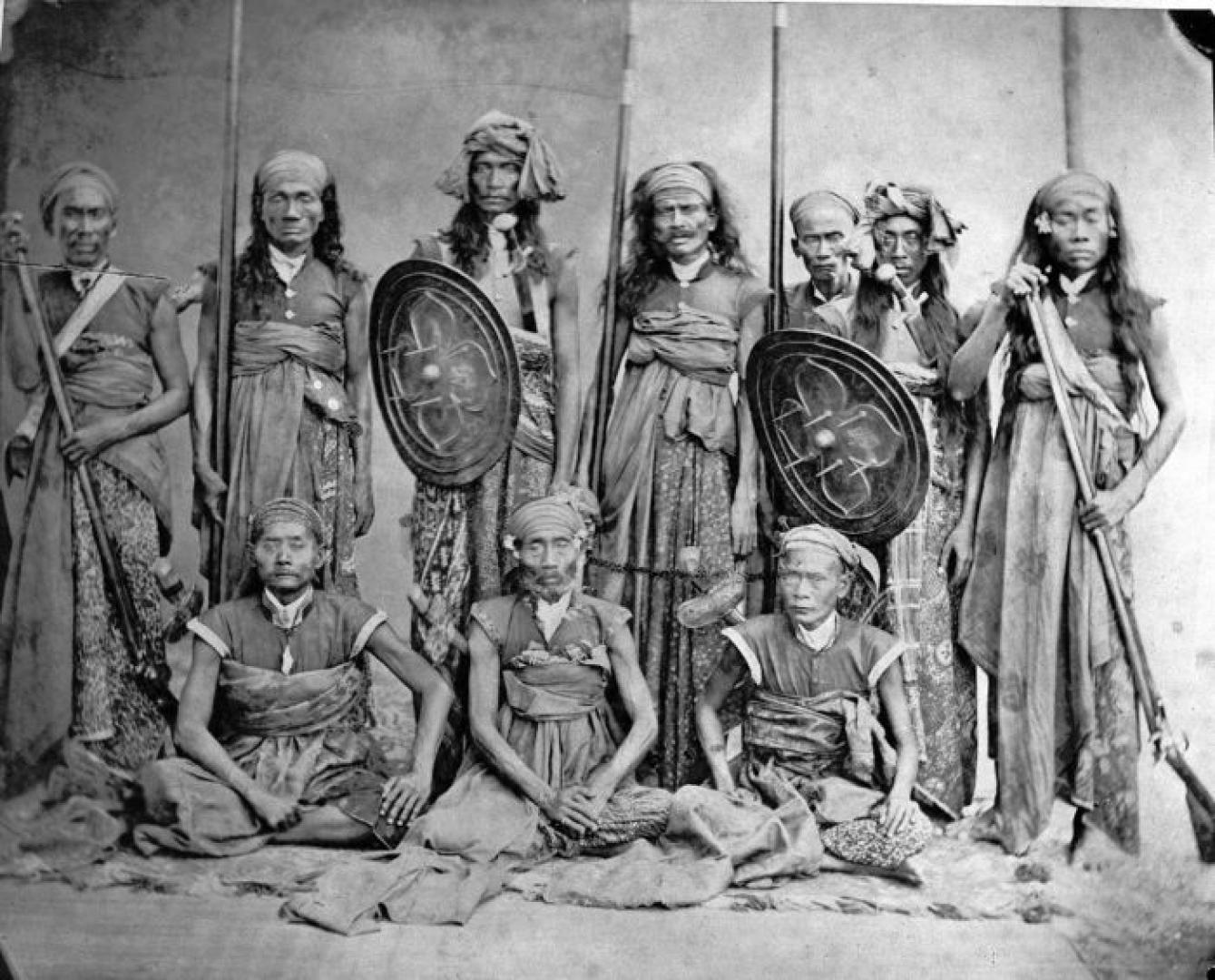
In Cakranegara they discovered to their amazement a room five metres square in which silver coins were heaped two metres high; together with gold, krises, silver vessels, and jewellery. Significant literary works and heirlooms were also taken.
Artifacts such as a 19th-century gold and diamond brooch from the palace’s collection are now housed in the National Museum of Indonesia.
The Fall of the Lombok Kingdom
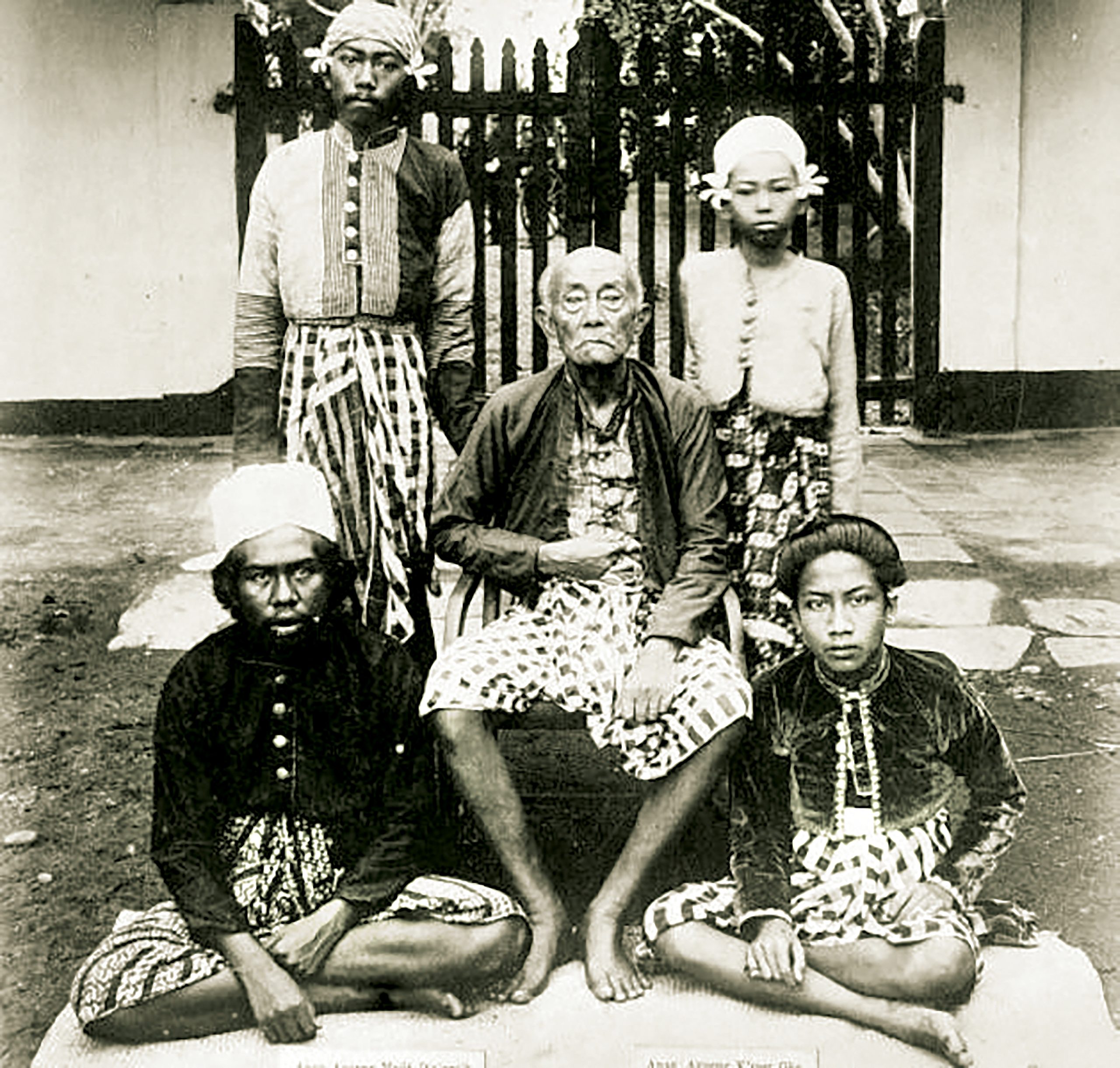
On 20 November, Dutch forces besieged the village of Sasari. The King finally decided to surrender, accompanied by his son, Anak Agung Jelantik, and his grandson, Anak Agung Oka.
On 22 November, the Dutch gave an ultimatum to the entire royal family still surviving to surrender but they refused. They chose instead to commit puputan, a ritual mass suicide symbolizing defiance and honour.
This was puputan in the true sense of the word; a warrior’s fight to the death, with no surrender.
The process begins with the ritual cleansing of all the members who will join the puputan. They all wear white clothes, perfume and the most beautiful jewellery and ceremonial finery they own.
In solemn procession, men, women, and children dressed in white advanced on Dutch lines, armed with spears and krises. As they fell under rifle fire; a priest used the sacred dagger to dispatch the wounded before turning it on himself at the end. All the members collapsed and died; their white clothes covered in blood. Among the dead was the king’s daughter, Ayu Prabha.
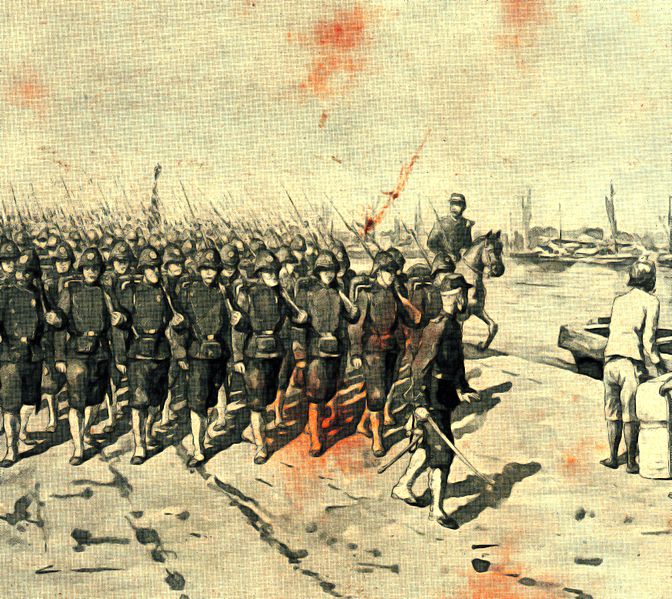
On 23 November, the surrendered King and his surviving followers were exiled to Batavia, aboard the Dutch transport ship Prins Hendrik.
There, on 20 May 1895, King Anak Agung Gde Ngurah Karangasem, the last King of Lombok, died and was buried at the Karet Bivak cemetery.
And with him, died the Balinese kingdom in Lombok. Mataram and Cakranegara, once powerful and prosperous, were reduced to ruins.
Aftermath
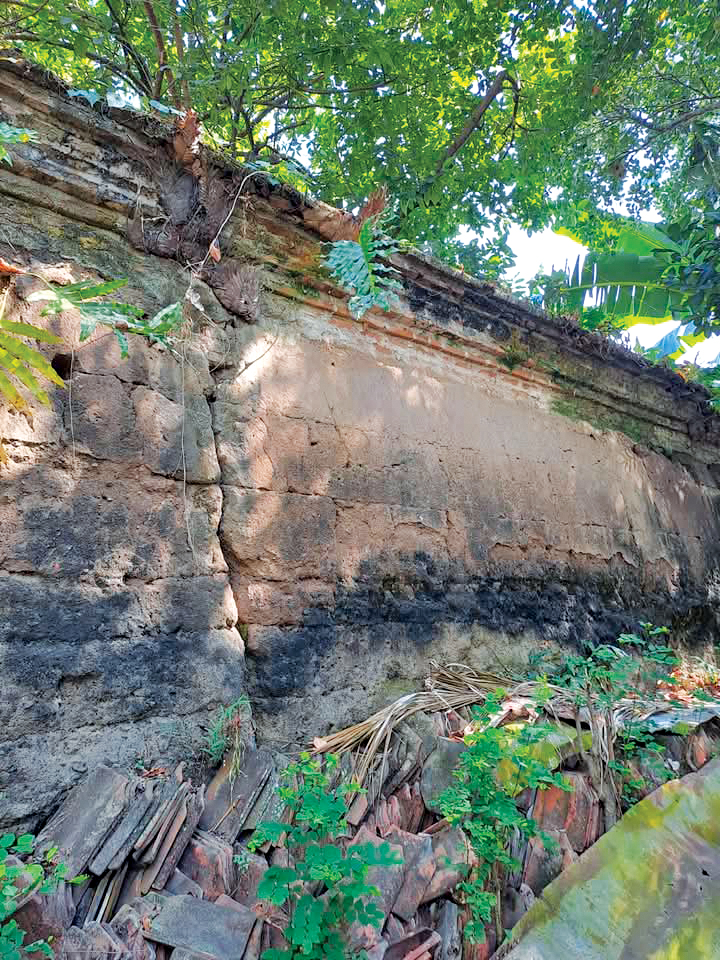
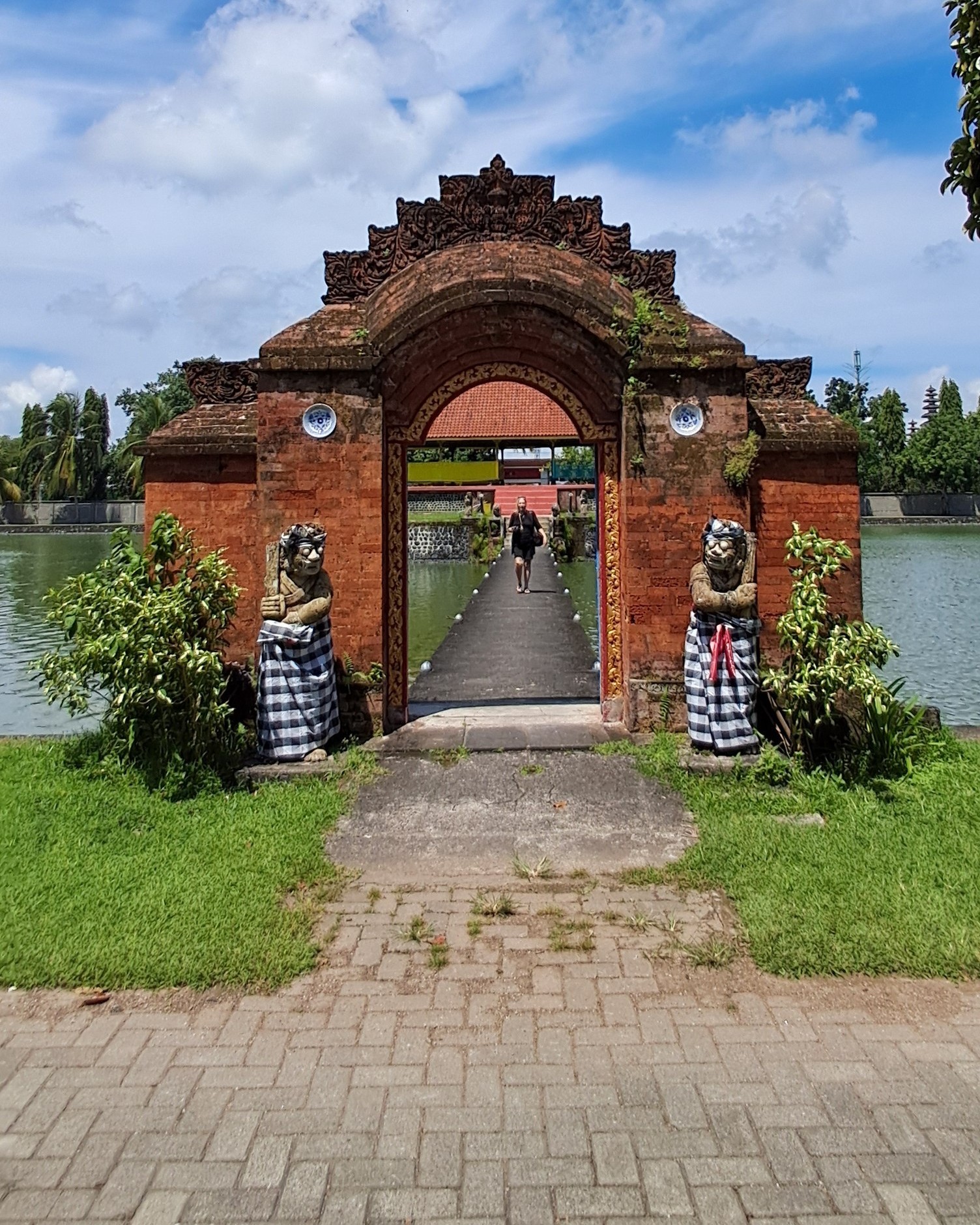
Today, almost nothing remains of the original palace structures. A small section of the Cakranegara palace wall survives, but is inaccessible to the public. The area of almost 3 hectares, once a centre of power and culture, has become a bustling commercial district with shops and businesses occupying the former palace grounds.
Only Taman Mayura, the adjacent royal garden, has been preserved and remains a testament to the site’s historical grandeur.
From 1894 onward, Lombok remained under Dutch colonial rule until Indonesia’s independence in 1945. But the memory of the kingdom and the resistance lives on, etched in the cultural identity of the island and its people.
CAKRANEGARA WALKING TOUR
This article is only a brief summary of an important time in Lombok’s history – which in reality could fill many books!
In order to bring this era to life, we took a tour of Cakranegara with Lombok Heritage Society.
Lombok Heritage Science Society (LHSS), or more simply “Lombok Heritage” is a group of enthusiastic local people dedicated to preserving the history and culture of the island. Made up of students and historians, and people who simply love their island, the group are committed to highlighting the rich history of Lombok, which has been mostly uncelebrated until now.
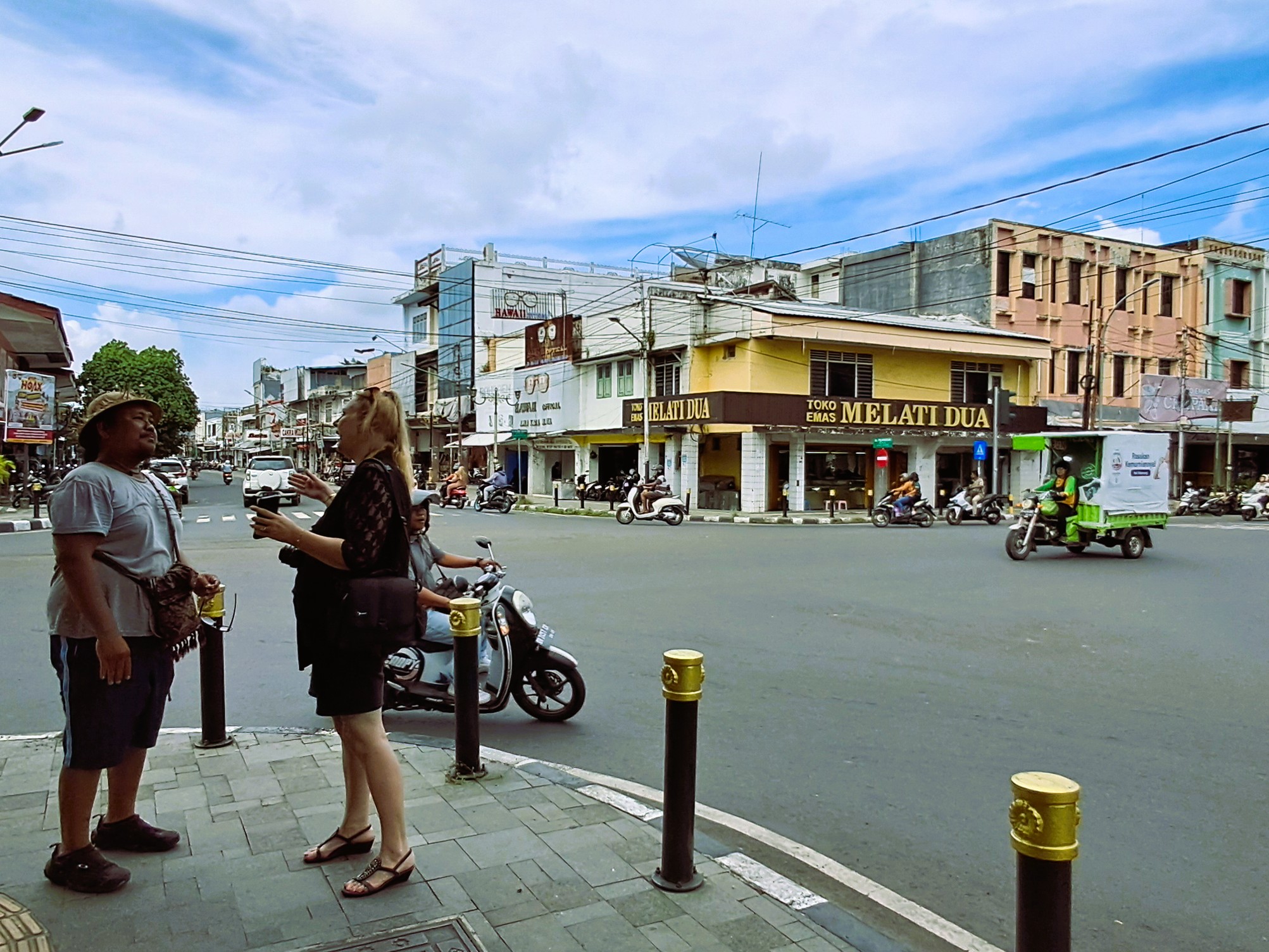
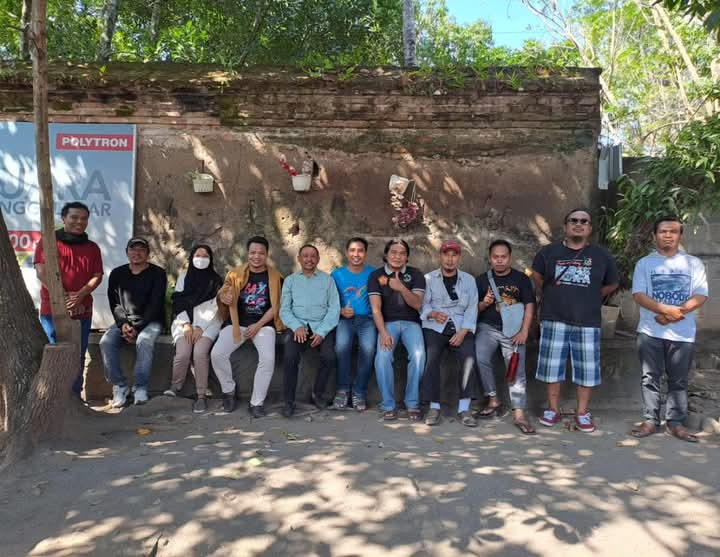
Lombok Heritage offers guided walking tours to several places on the island, including Cakranegara and Ampenan, giving a fascinating glimpse into the past.
The friendly and knowledgeable guides speak English and will guide you to the places of interest and explain the history behind them.
To arrange a tour with Lombok Heritage, please contact Fendy on 0818 0369 5767