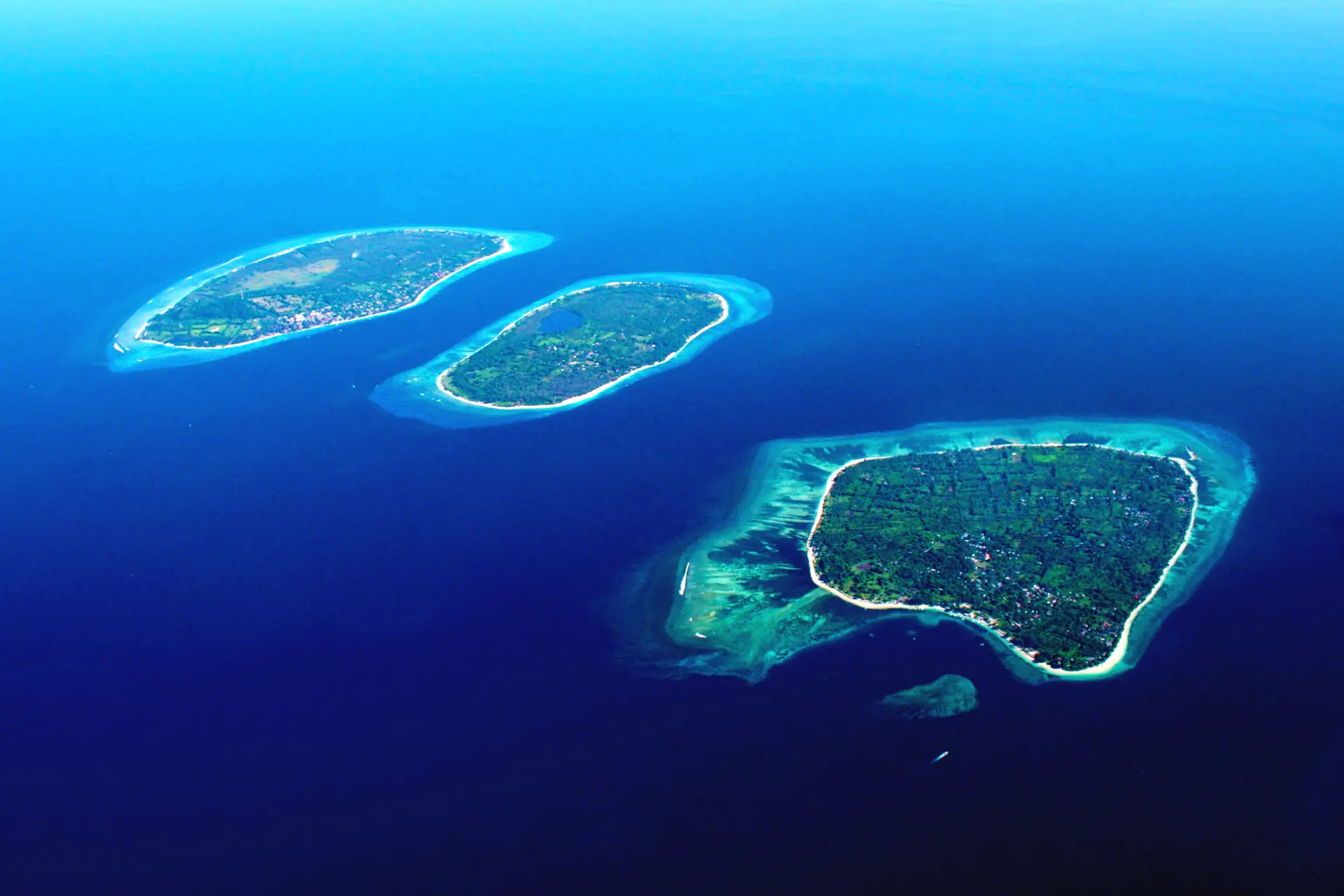
The Gili Islands
The GILIS… Three Paradise Islands
Three perfect tropical islands – Gili Trawangan, Gili Meno and Gili Air – sit in the sparkling ocean just off the northwest coast of Lombok.
The Gilis, together with Rinjani volcano, are Lombok’s most famous attractions and are consistently rated among the top destinations in Southeast Asia by travellers and travel magazines.
Every year the Gilis attract tens of thousands of visitors from around the world for their incredibly clear aquamarine waters, unparalleled diving and irresistible laid-back charm.
The word Gili actually means “small island” in the local dialect, and so these islands have come to be known as “The Gilis” by travellers.
Today the Gilis attract a diverse range of visitors – from avid diving enthusiasts to sun-seekers looking for the perfect beach getaway – solo travellers, families, and couples of all ages find something to love about the Gilis.
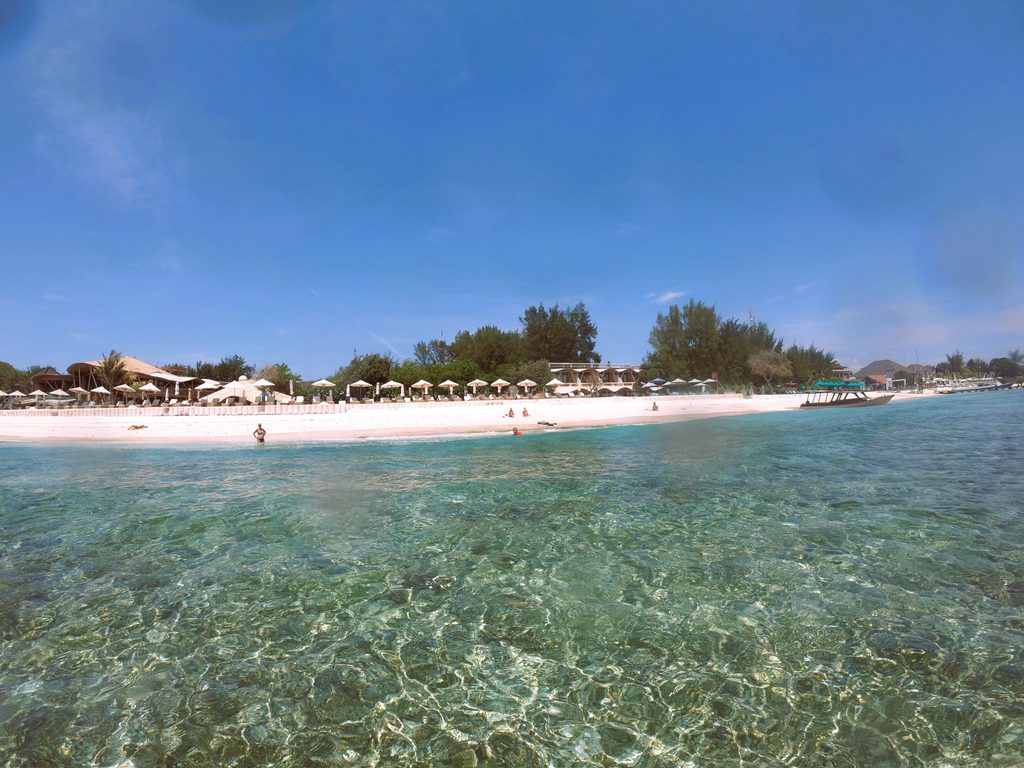
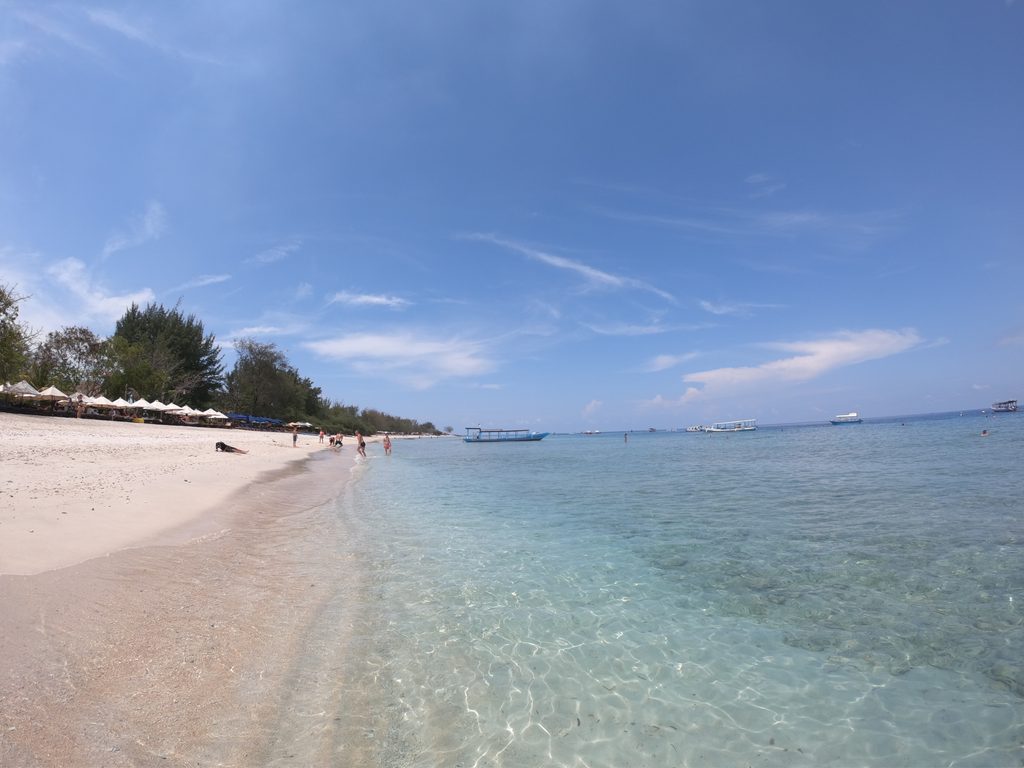
There is a good selection of accommodation, restaurants and bars, and tourist facilities on all three islands, with the biggest range on Gili Trawangan.
Activities include exceptional diving and snorkelling, glass-bottom boat excursions, island-hopping adventures, cycling around the island, horseback riding on sandy beaches, rejuvenating yoga sessions and indulgent massages, as well as surfing, SUP and all kinds of water-based activities.
The islands provide ample opportunities for visitors to snorkel and scuba dive with the many internationally accredited dive operators based in Lombok.
The pristine waters are home to an abundant variety of corals and thousands of species of tropical fish and an impressive array of aquatic life can be found here, including green and hawksbill turtles, moray eels, barracuda, reef sharks, occasionally leopard sharks and manta rays, and more.
Visibility is very good and commonly in the 15-30 m range; and water temperatures average 23°C (73°F) to 29°C (84°F).
Many of the popular dive companies are owned and operated by westerners and are PADI and SSI licensed dive operators, with professional standards of safety and environmental awareness.
Each Gili, having evolved independently and at its own pace, possesses a distinct personality and style. This diversity ensures that every traveller finds their perfect island escape, depending on their individual tastes and desires.
Gili Trawangan, or “Gili T” as its affectionately known, is the largest and most developed of the three Gilis, with the greatest range of facilities and activities.
It is the furthest island from the mainland, but is easily reached from Bali in less than 2 hours and is only 10 minutes by speedboat from Lombok.
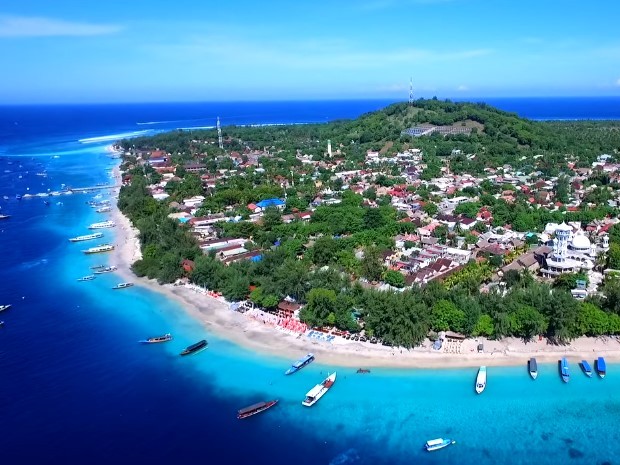
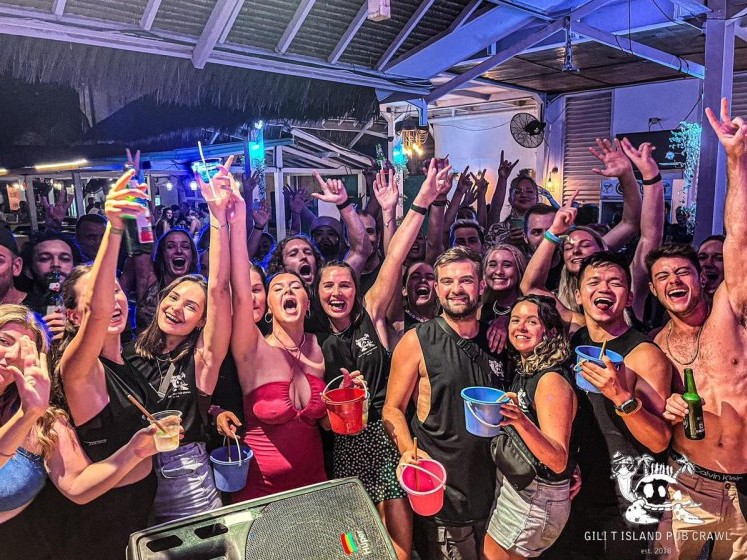
Tagged “the party island”, Gili T continues to cater to the party crowd but also has a cosmopolitan vibe that is continually evolving. TripAdvisor® recently rated it as one of the ‘Top 10 Islands in Asia’.
Stretching approximately 3km in length and 2km in width, getting around Gili T on foot is easy, while a leisurely cycle around the island takes around 1 ½ hours – though, be prepared for some sandy detours in the north.
It’s the only Gili that elevates significantly above sea level, with the hill in the south offering a breathtaking vantage point for spectacular sunsets across the ocean to Bali or the brilliant sunrise over Mt Rinjani on mainland Lombok.
On the far south end of the hill are the remnants of old WWII Japanese gun emplacements and crumbling bunkers, but the hand-dug tunnels have been blocked up.
The busiest area on Gili T is the east coast, but Gili T’s popularity means hotels and cafés extend around the entire island.
Accommodations cater to diverse preferences, ranging from modest budget options to mid-range and opulent hotels, along with private villas that promise something for every discerning traveler.
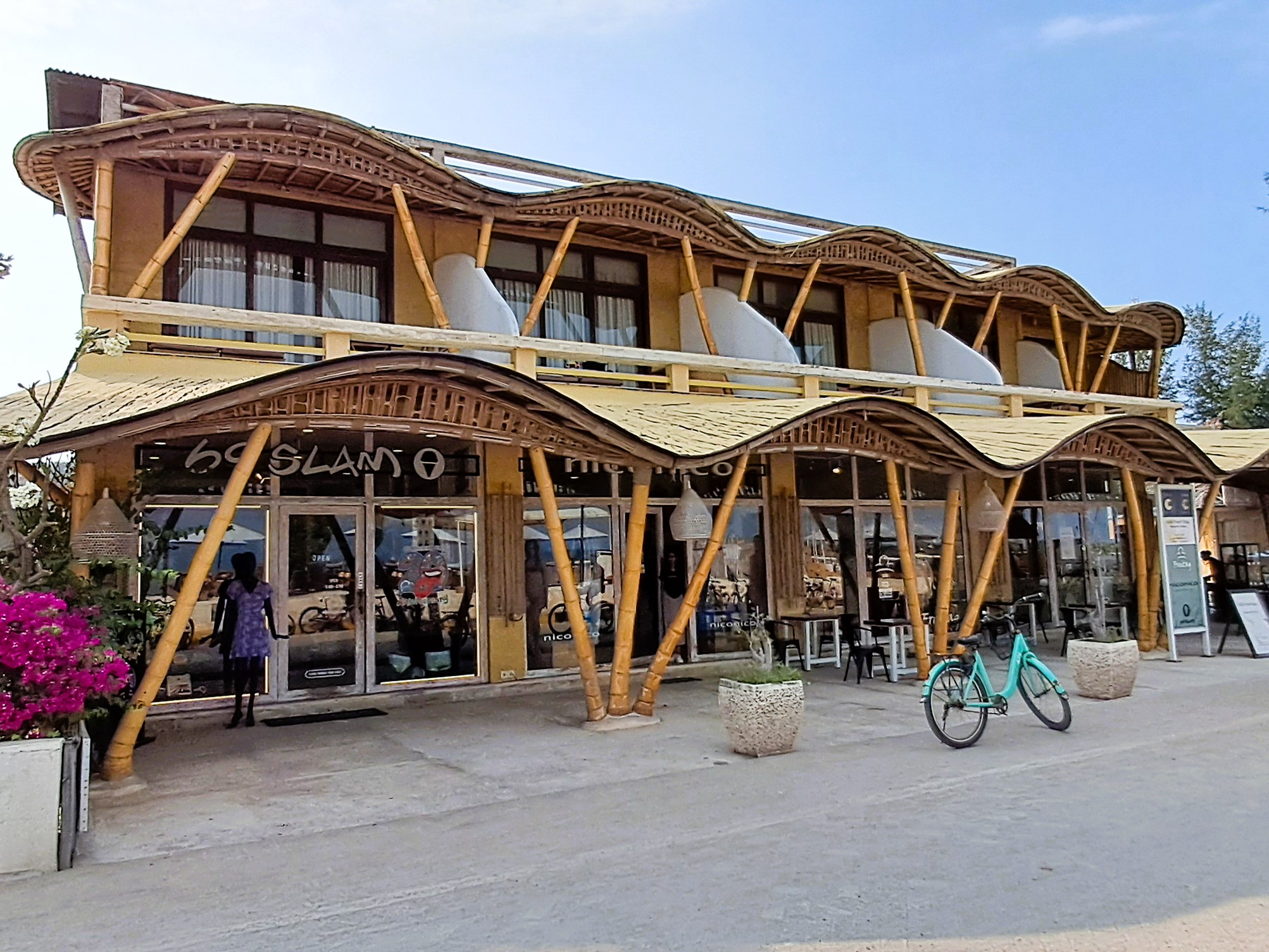
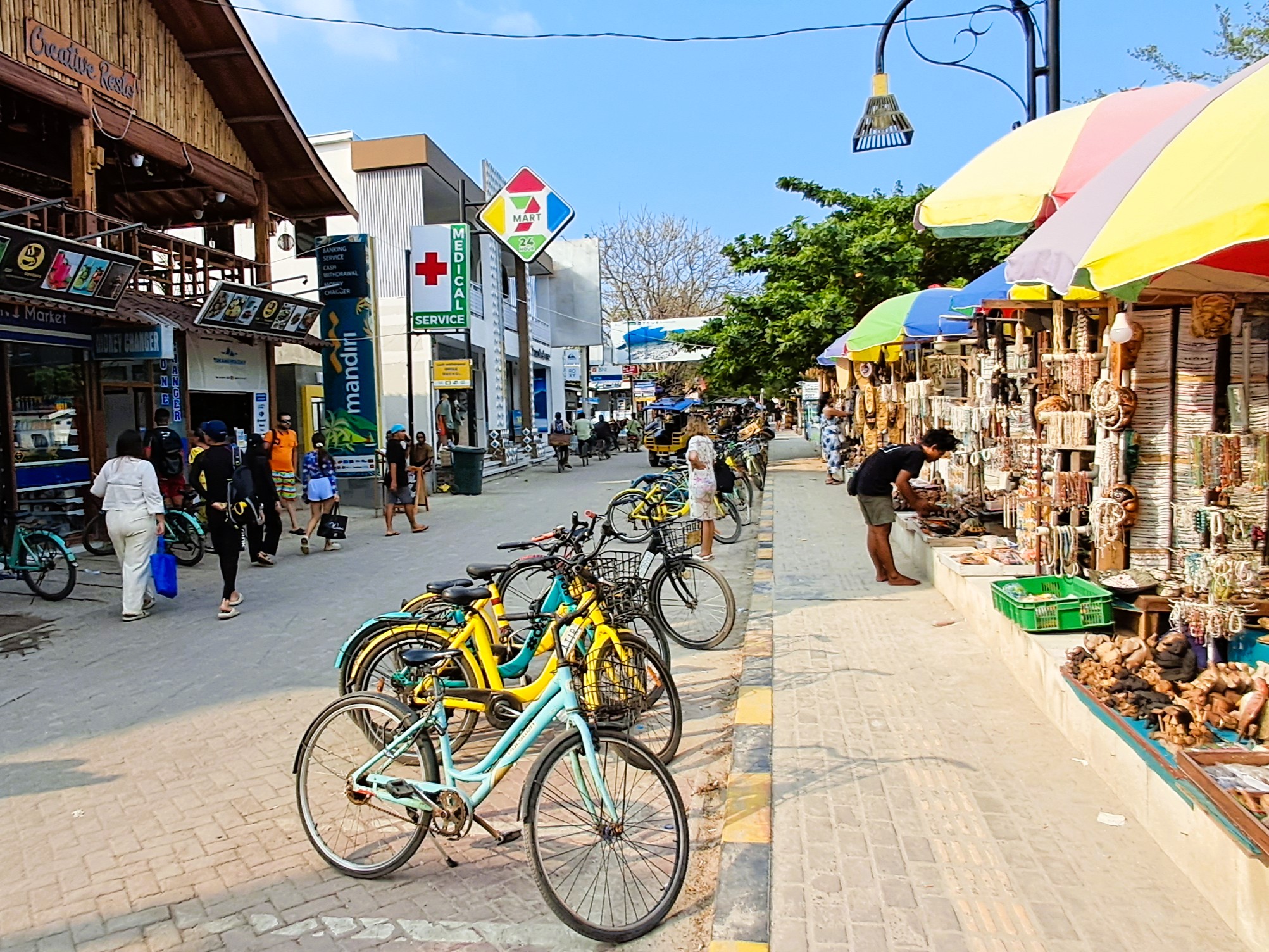
Cafés and restaurants rate highly in quality and choice, and there are beachside dining options galore. Choices range from fresh seafood and modern healthy creations to authentic Indian, Italian and international cuisines; and from inexpensive Indonesian dishes to sophisticated fine dining.
Even the shopping scene on Gili T is evolving. Shops and kiosks selling the usual sarongs and t-shirts now rub shoulders with brand outlets and stylish boutiques.
Come nightfall, Gili T comes alive with a vibrant bar scene and regular parties around the island. The island has a rotating roster, where different bars have licenses to host a party on one night of the week. These parties are a big draw-card for the crowds of younger people who come to the island.
Some of the most popular bars include Tir Na Nog (also called “The Irish”), Savindia Lounge and Bar on the beachfront, and Sama Sama Bar for live music.
For those who prefer quieter entertainment, there are many low-key and romantic options, such as beachside dining, Spas, yoga retreats and more.
The busiest area, called ‘Sentral’, is on the east of the island, close to the harbour. Here you will find the greatest number of bars and restaurants, many hotels and resorts, and lots of shops and activities.
Resorts, restaurants, dive centres, bars, shops and other businesses line the paved ‘road’ that runs around the entire coast of the island.
Small roads meander inland from the main coastal road, where many of the island’s local people live. Home-stays, small hotels and private villas here offer a quieter (and often cheaper) alternative to the beachfront choices.
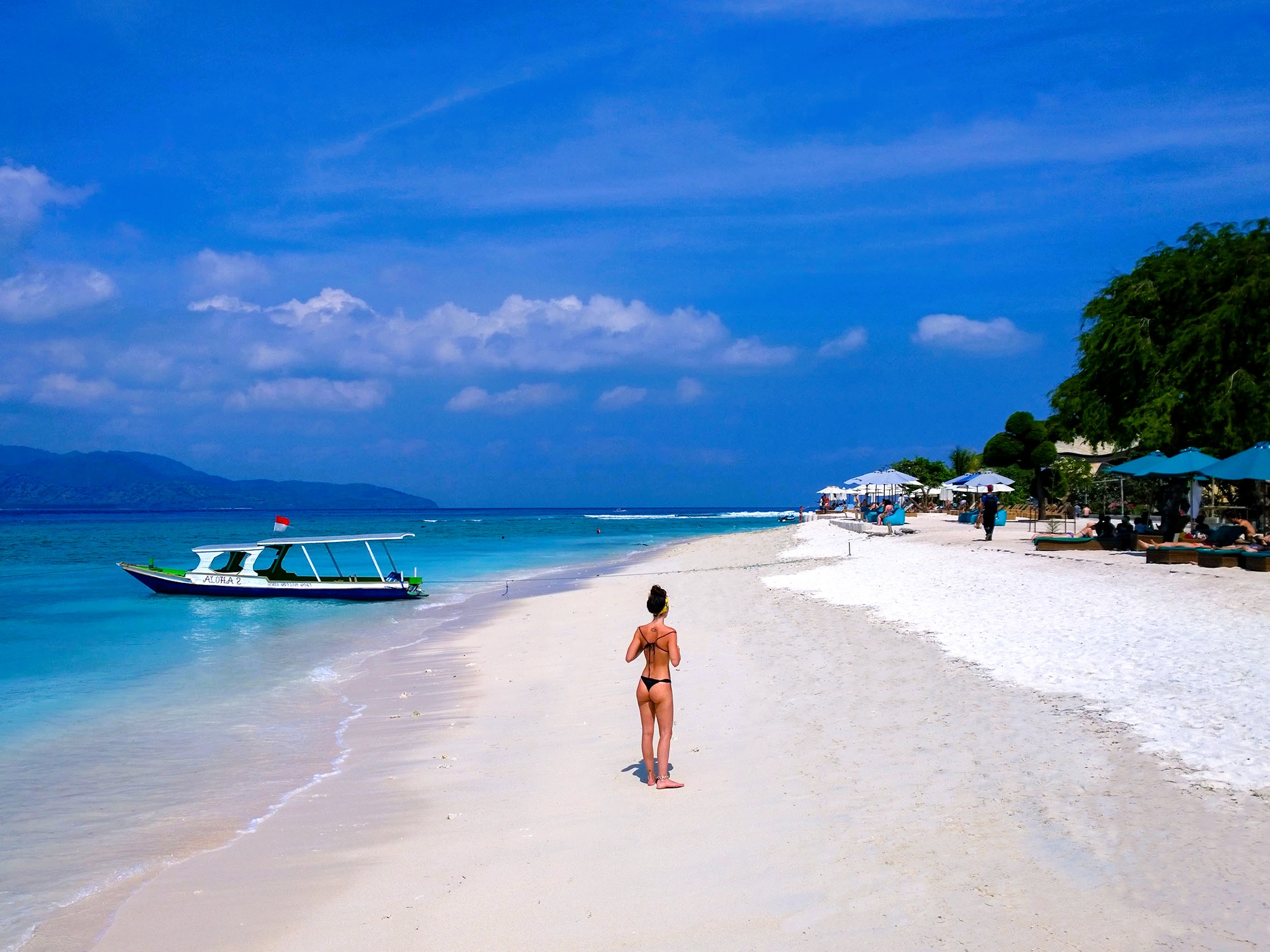
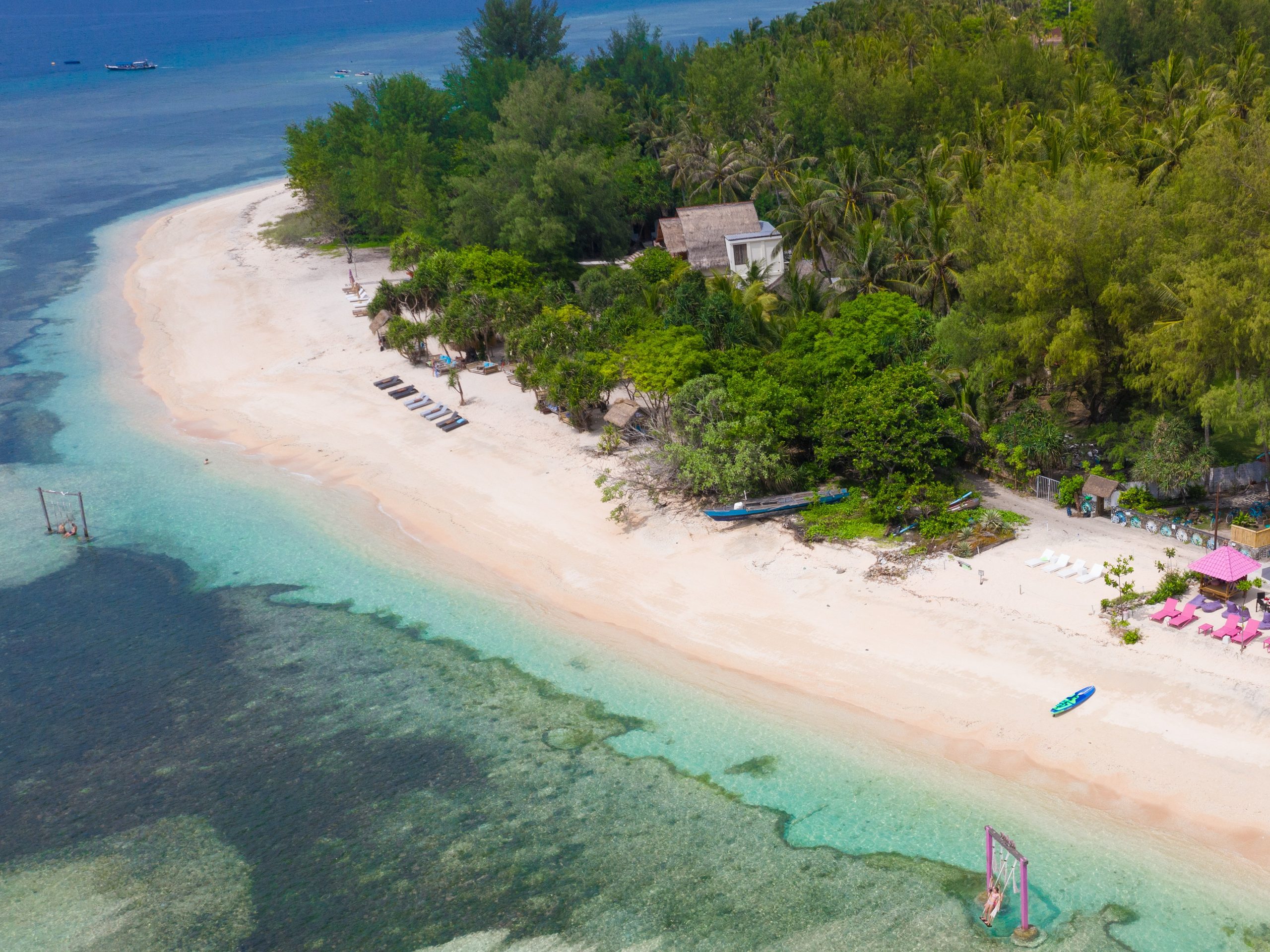
The north coast of Gili T has a quieter vibe and offers a peaceful alternative to the central area. Although the beaches to the north are affected by tides, the views are beautiful and snorkelling from the beach is good.
The location makes it easy to access the dining and nightlife options nearby but also offers a different, more natural side of the island.
Likewise, the south and west coasts are popular with travellers seeking a quieter retreat away from the crowds. While still within easy reach of all the action, the hotels and villas offer a more serene island experience and the sunsets across the sea to Bali are magical.
Gili Meno in contrast, exudes serenity, with its pristine white sands and turquoise waters creating an intimate haven for those seeking seclusion and romance.
Located between Gili Air and Gili T, Meno is the smallest island and has the lowest population of the three Gilis.
Meno’s popularity has soared over the past 5 years as travellers discover this ‘quieter Gili’ with its beautiful undeveloped beaches and rustic charm – all within easy reach of the diving and activities that have made the Gilis famous.
If you base yourself on Gili Meno, it is easy to dive around the other islands and to make day trips to Gili T and Gili Air via public boats and private boat charter. The water surrounding the island is clear turquoise and the beaches are covered in brilliant white sand, fringed with coconut palms and native sea pines.
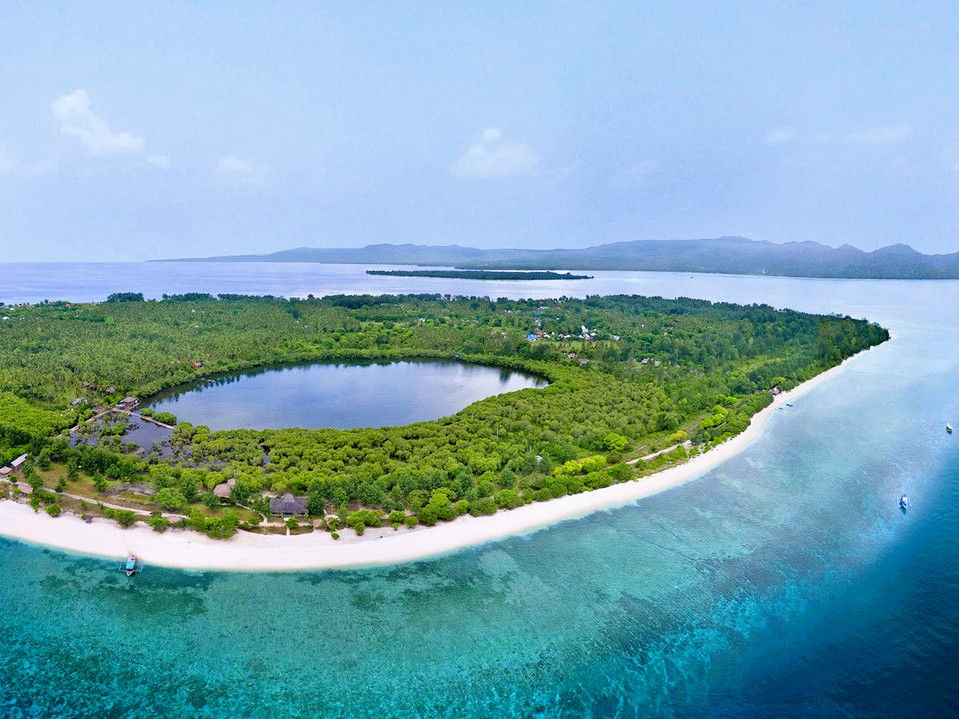
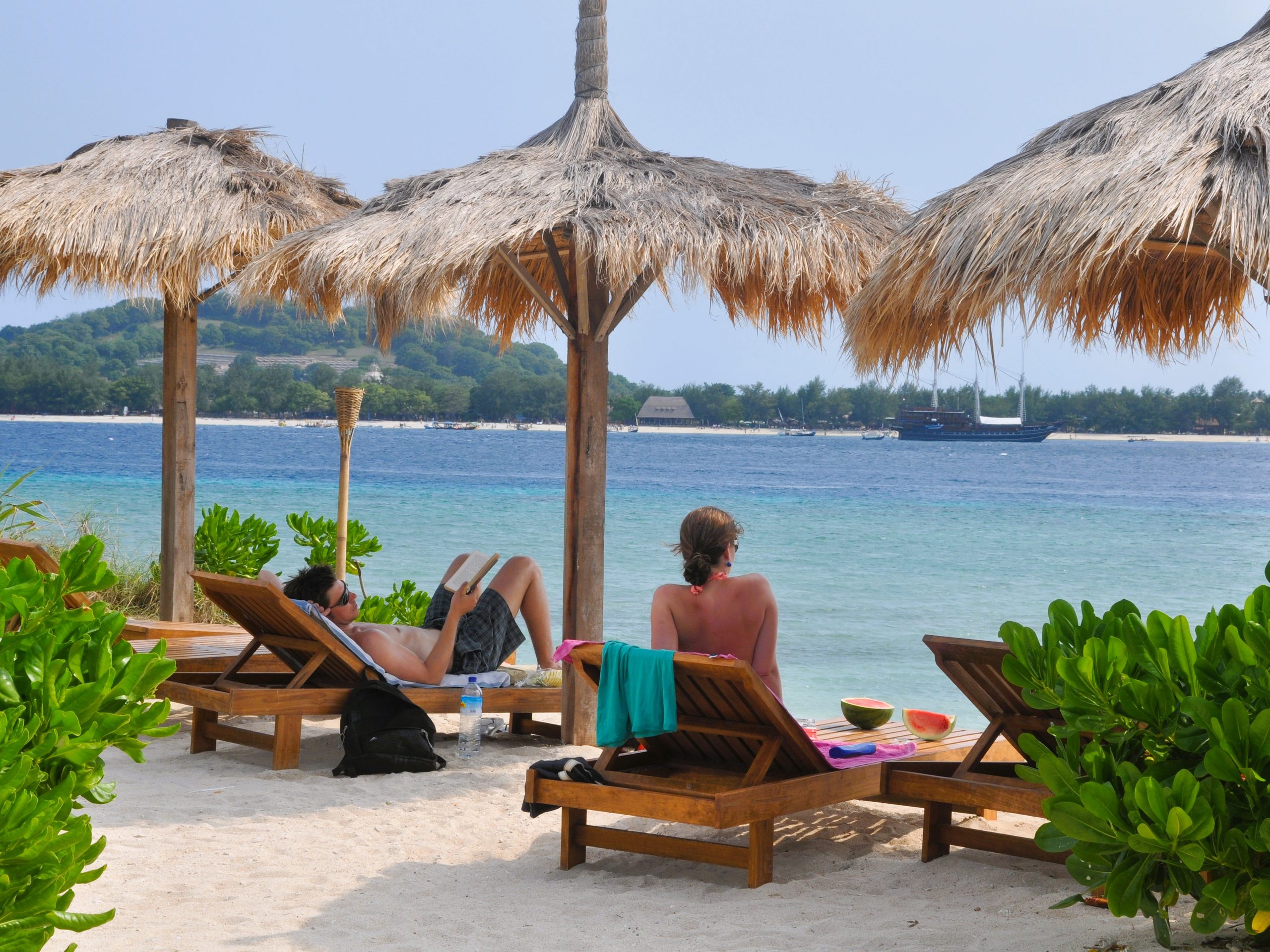
Like all the Gilis, the best swimming beaches and the most tourist facilities (including the boat harbour) are located along the east coast.
It is possible to walk around the whole island on a small beach track in around 90 minutes. Those seeking tranquillity head to the north and west coasts, where more development has been quietly taking place over the past years.
The recent opening of BASK Resort and Beach Club sets a new standard for Gili Meno with its luxurious contemporary villas and suites. The stylish Beach Club features a layered poolside terrace and beach bar, an open-plan kitchen serving upmarket cuisine, and sophisticated entertainment.
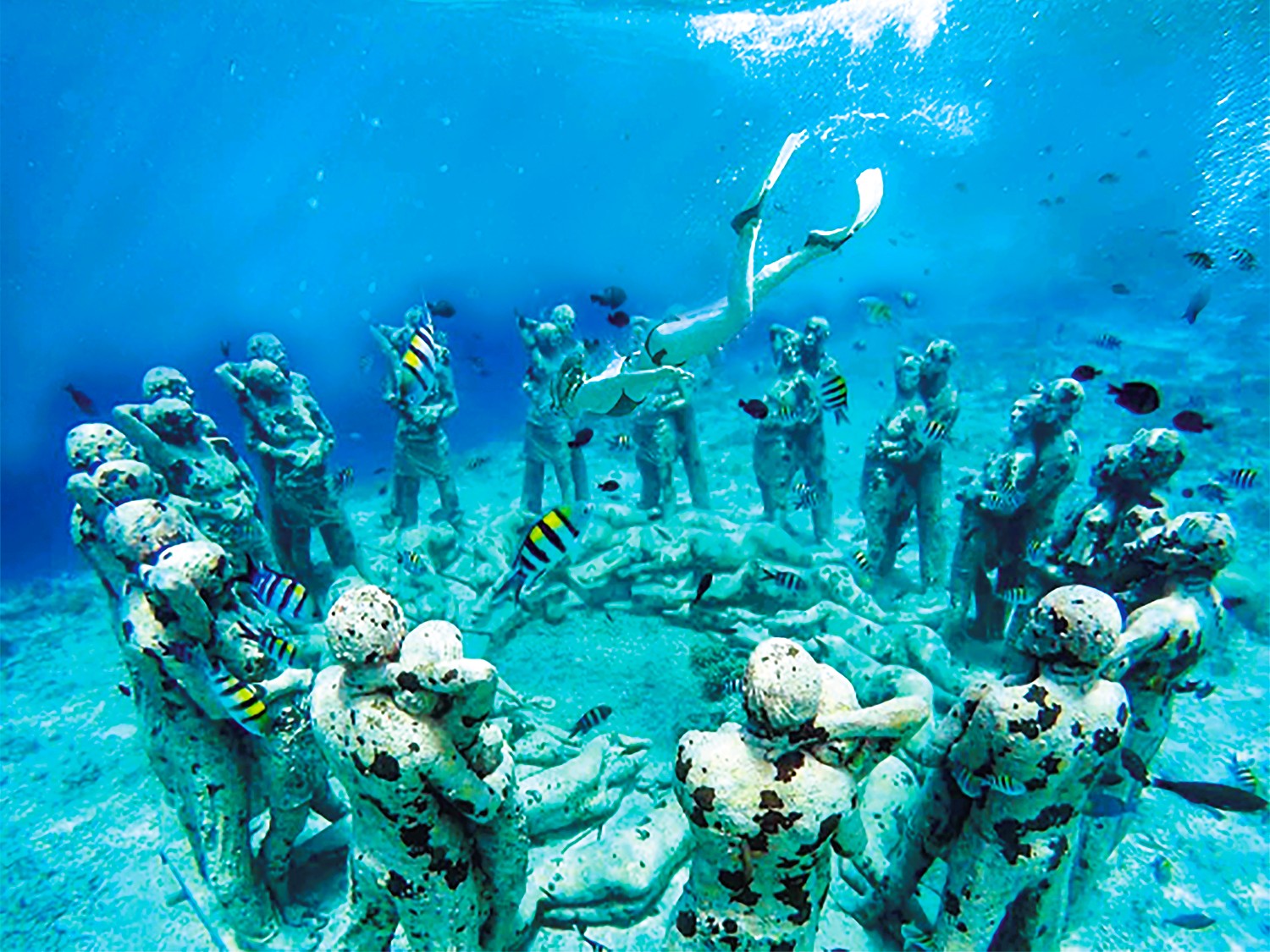
BASK is also responsible for the installation of the popular underwater sculpture called “The Nest”, featuring 48 life-size human figures standing in a circle and entwined together on the ground.
The art installation by famous sculptor Jason deCaires Taylor is hauntingly beautiful and well worth a visit.
Snorkelling trips often include a visit to the sculpture and the statues draw crowds of snorkellers every day; get there early to see it at its best.
Gili Meno boasts some beautiful quiet beaches and quality accommodation with smaller resorts and private villas dotted around the island.
Small hotels and bungalows provide accommodation for those seeking a peaceful place in the sun with uncrowded beaches, clean waters and peaceful nights under the star-filled skies.
Dotted around the island, casual beachfront cafés and bars serve Indonesian and popular western meals, with fresh fish and wood-fired pizzas being Gili Meno specialties.
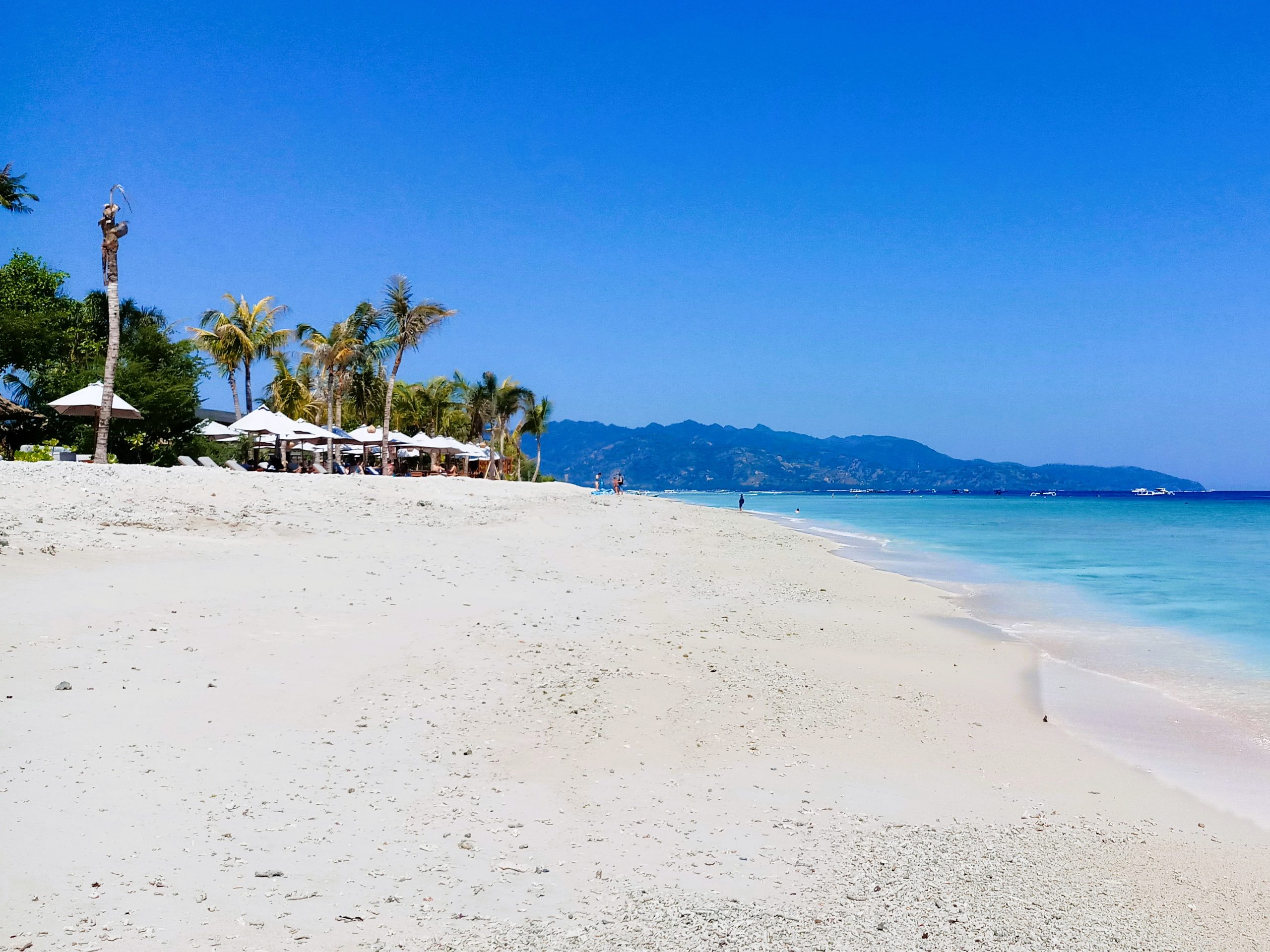
Some provide low-key entertainment in the evenings, more so in the high season, but visitors to Gili Meno largely come for romantic escapes and a chance to rejuvenate on the island’s pretty beaches.
Gili Meno is also famous for the many turtles that live just offshore. To swim with these huge creatures – usually so awkward and ungainly on land but moving through their natural element with such grace – is perhaps the most special underwater experience of all and a major reason for visiting Gili Meno.
Gili Air
Gili Air has a relaxed, friendly and attractive bohemian vibe, quite distinct from the other islands. It offers a good balance between the buzz of Gili T and the chill of Gili Meno, and draws guests to return year after year.
Gili Air is the island closest to the mainland and can be reached in around 20 minutes by local boat or five minutes by speedboat.
Being the closest of the Gilis to the mainland, Gili Air has the largest local population of the three islands; combining the charm of a tropical island with the people and culture that make Lombok unique.
Like all the Gilis, the best swimming beaches are on the east coast and most development runs along the beaches here down to the harbour in the south.
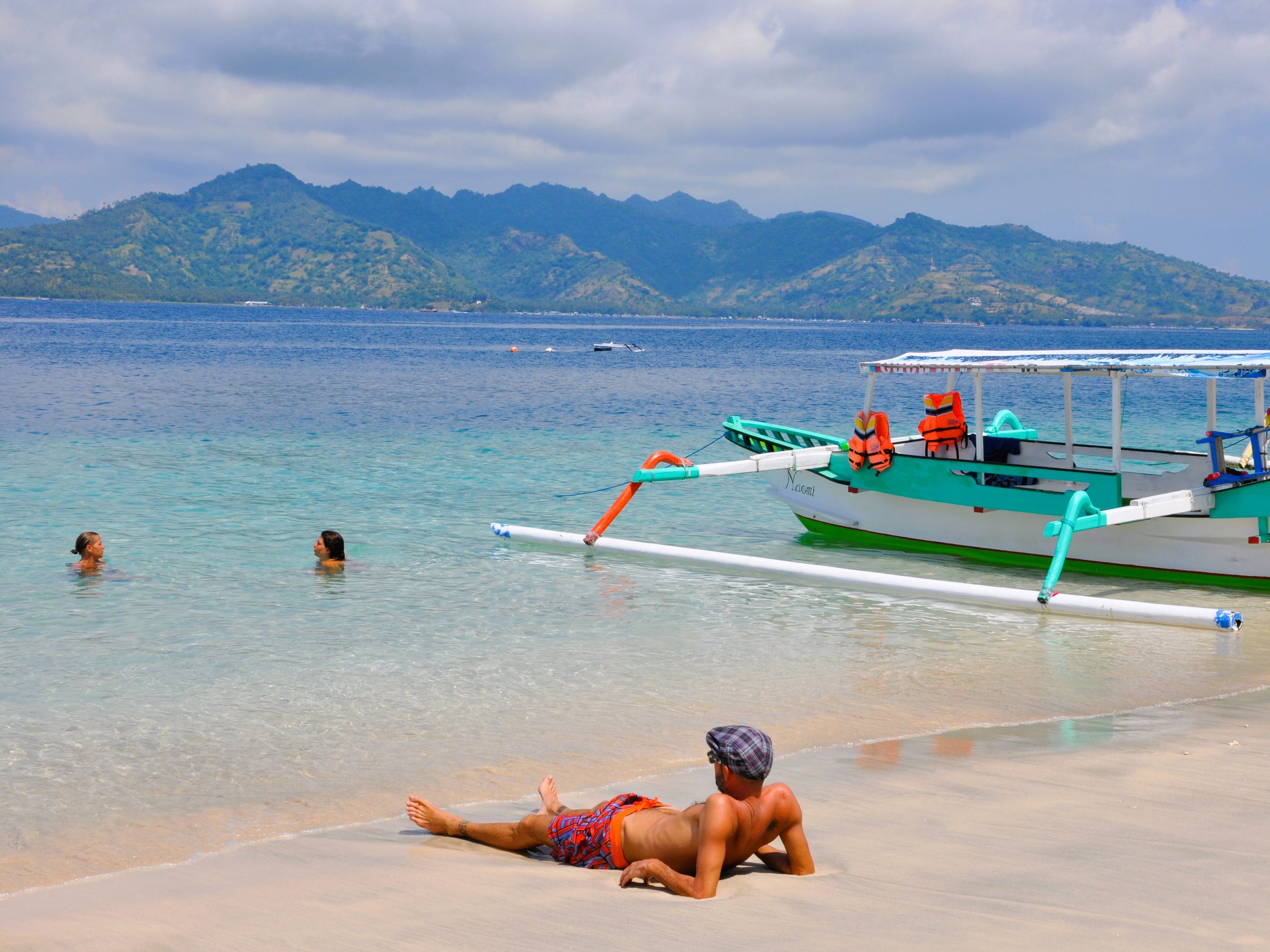
The views from all points of the island are stunning but the east coast, facing Lombok, is probably the most fantastic – looking back at the big island with its white beaches and green mountains dominated by Indonesia’s second largest volcano, Mt Rinjani.
Accommodation on Gili Air ranges from simple back-packer bungalows to luxurious air-conditioned rooms and private villas with swimming pools.
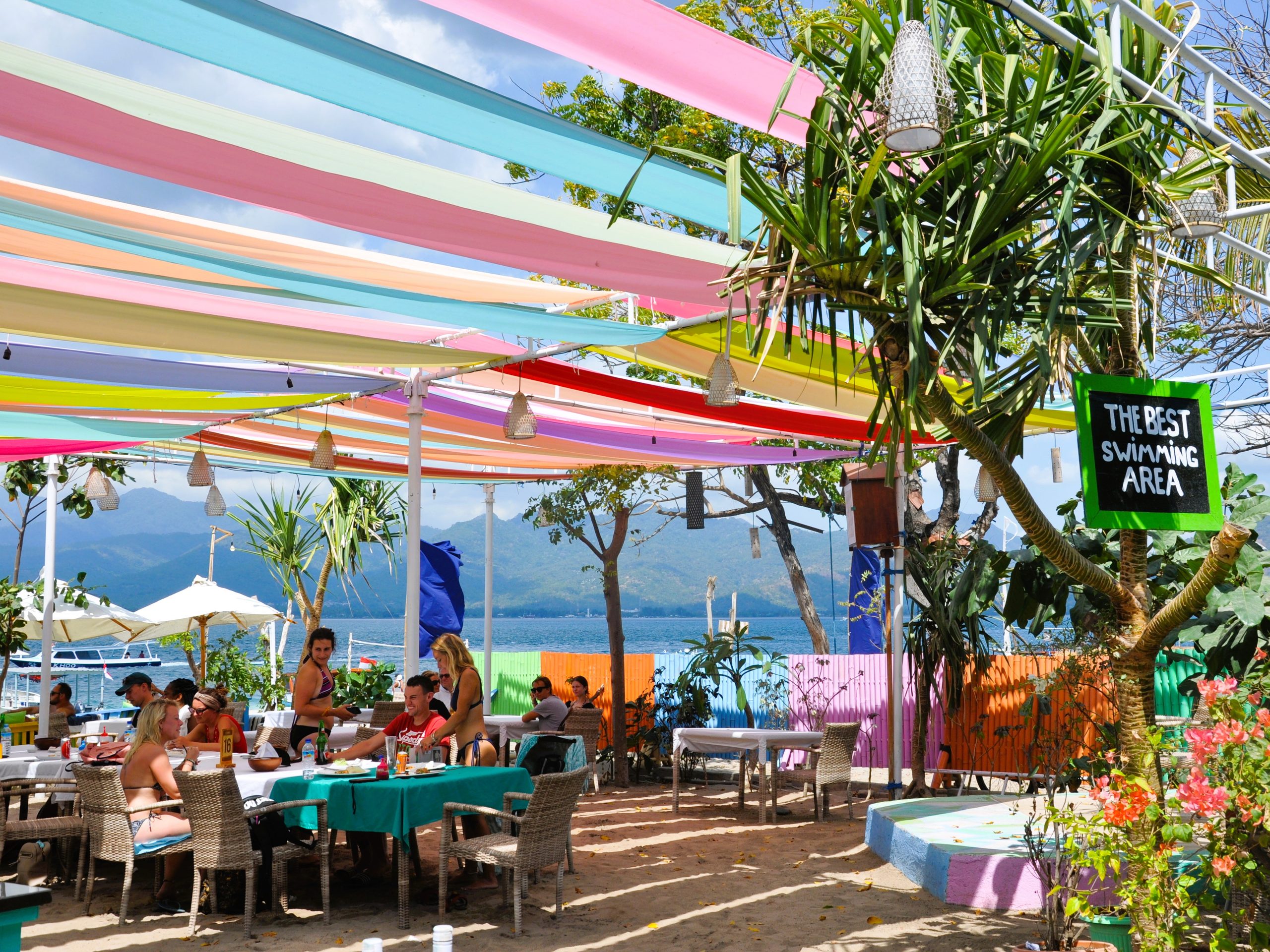
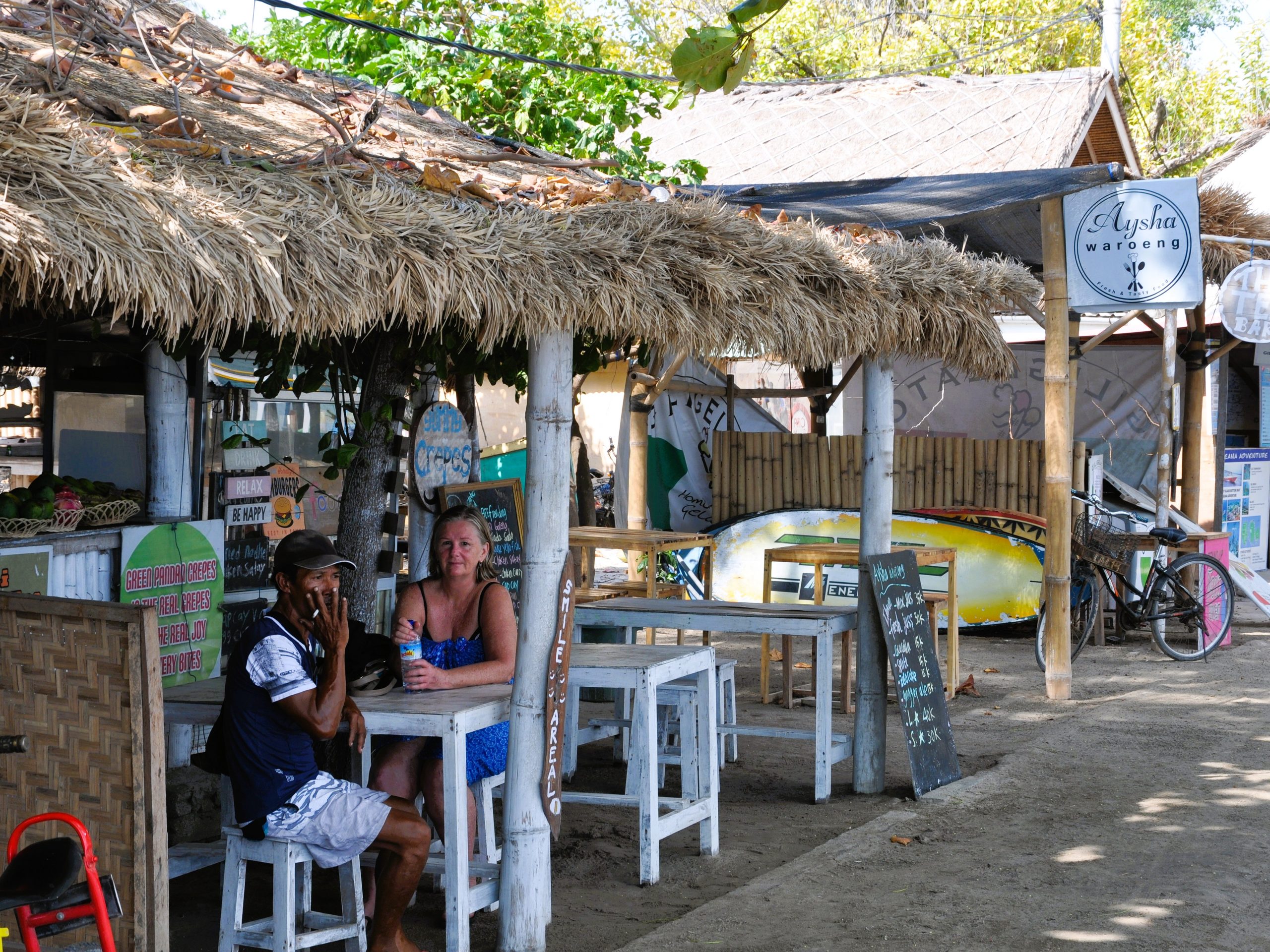
There is a good variety of restaurants and beachside cafés on the island, offering everything from traditional Indonesian dishes to up-market international fare, while vegetarians and vegans are well catered for too. Fresh seafood is readily available. The bar scene can get pretty lively in the evenings and, during high season, the island kicks into high gear with Full Moon parties on the beach. Alternatively, pull up a seat at one of the beach bars and enjoy live music by some talented local musicians.
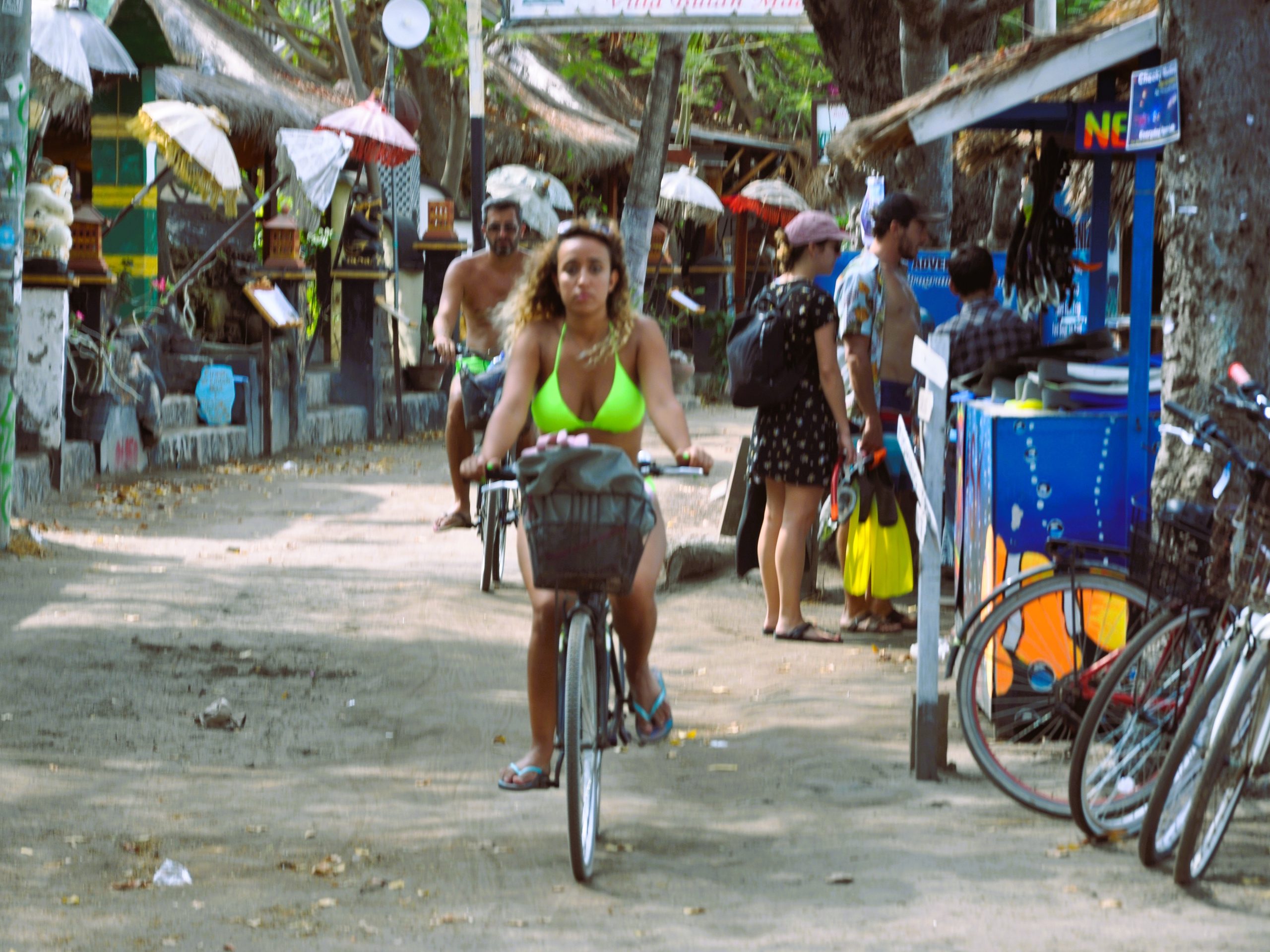
Activities include walking and cycling around the island, sun bathing, and swimming, excellent diving opportunities, snorkelling from the shore, free diving, thrilling Subwing adventures, stand up paddle boarding, surfing and other water sports.
For exploring, there is a path running parallel to the beach and it takes around 90 minutes to circle the whole island. The interior is criss-crossed with a maze of tracks that can get confusing, but all lead back to the beach.
The calm waters and good visibility make Gili Air an ideal place to learn to dive or to upgrade diving skills. There are a number of professional dive centres on the island and, of course, it is easy to explore the other islands from here.
Popular dive sites on Gili Air that attract divers from the other Gilis include Air Wall off the west coast, Hans Reef and Frogfish Point off the north coast. The water surrounding the island is a clear, translucent aquamarine, made even more pure by the sparkling white sand beneath.
The water surrounding the island is a clear, translucent aquamarine, made even more pure by the sparkling white sand beneath.
For those who have never had the pleasure of viewing the magical world beneath the ocean, Gili Air offers a superb opportunity to do so in safety and comfort.
Other activities on the island include yoga and meditation classes and retreats, cooking classes, browsing the quaint shops, relaxing massages and body treatments, and simply chilling out on a beautiful little tropical island.