SPECIAL FEATURES
AMPENAN… A Walk Through Time
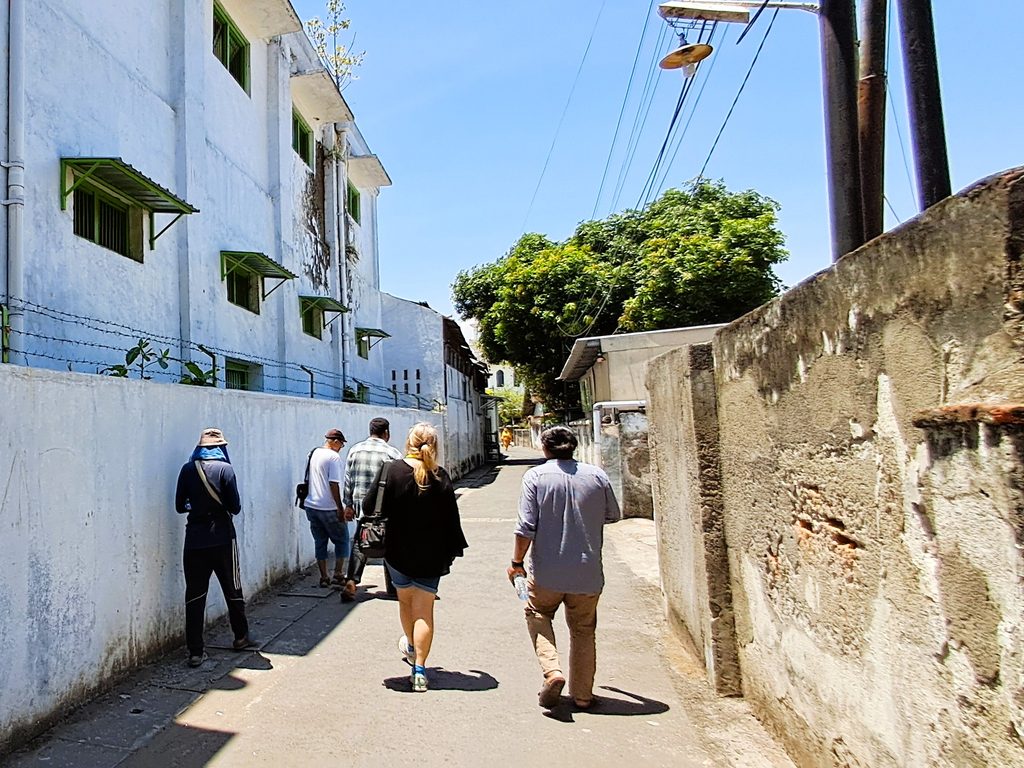
To many people driving through the town, Ampenan seems like just another small Indonesian city. But behind the bustle of the main roads lies a fascinating story of the time when the city was the original port for Lombok and known locally as “New York”!
Kota Tua Ampenan (the old city of Ampenan) is the oldest town on Lombok and was once the capital city of the island.
The port is located on the west coast, overlooking the Lombok Strait and bordered to the north by the Flores Sea and to the south by the Indian Ocean. In addition, Ampenan Port was once in the middle of long trade routes in Asia: between Australia – Singapore – India, and the Australia – Manila – China routes.
THE FABRIC OF LIFE
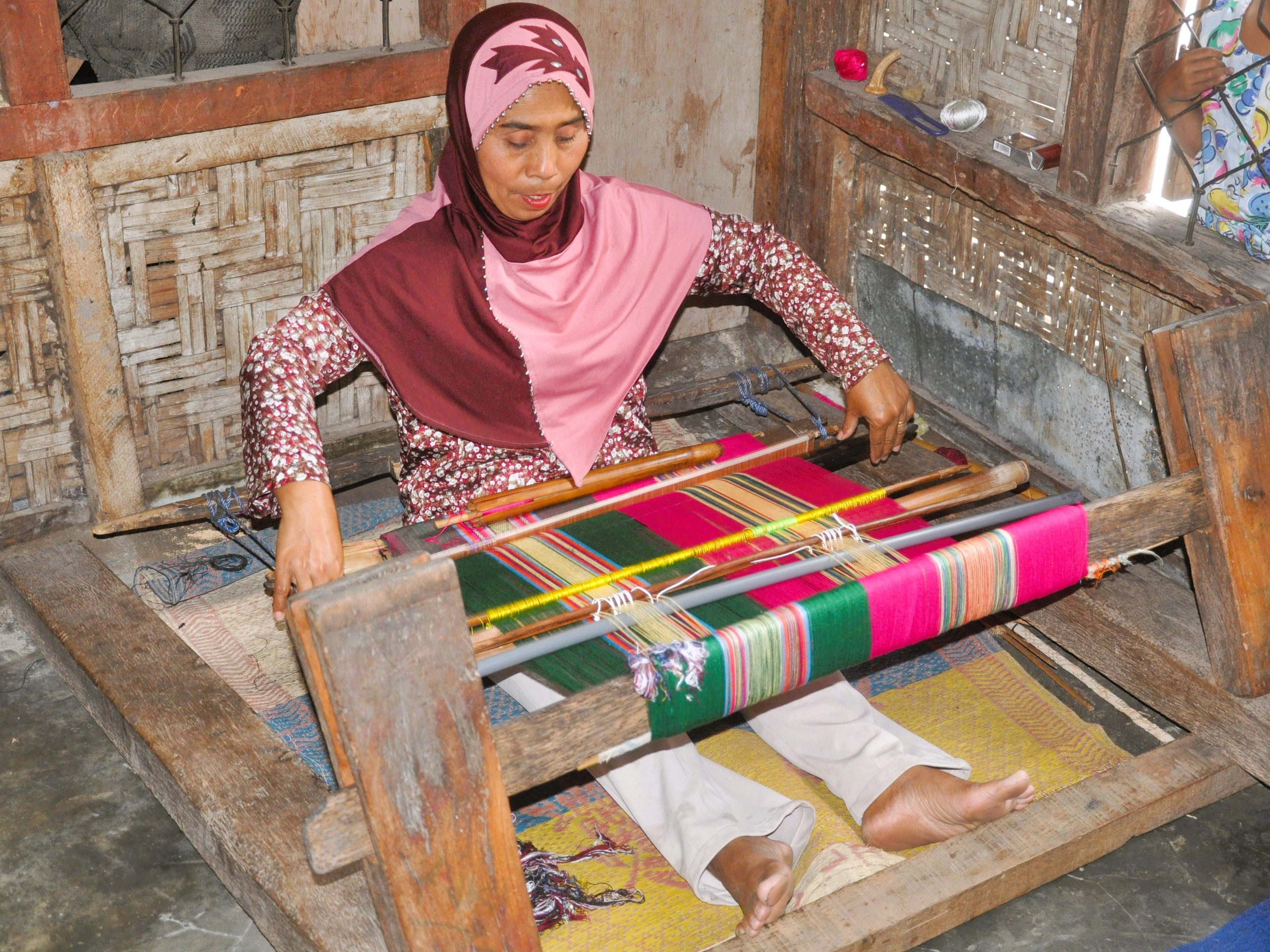
The tradition of weaving cloth in Pringgasela is so old no one quite knows where the original idea came from. All that the people of Pringgasela know is that weaving is the life-blood of their village and has been practiced for as long as anyone remembers.
The village of Pringgasela is located in East Lombok, around 65kms and around two hours’ drive from Senggigi. Together with the village of Sukarare in Central Lombok, it is famous throughout Indonesia for the traditional woven fabrics known as Ikat and Songket. There are many art shops in Pringgasela displaying different types of woven cloth for sale, but it is in the warren of small side streets that run through the village that visitors can get a close up look at the processes involved in creating this precious cloth.
BAMBOOZLED IN GUNUNG SARI!
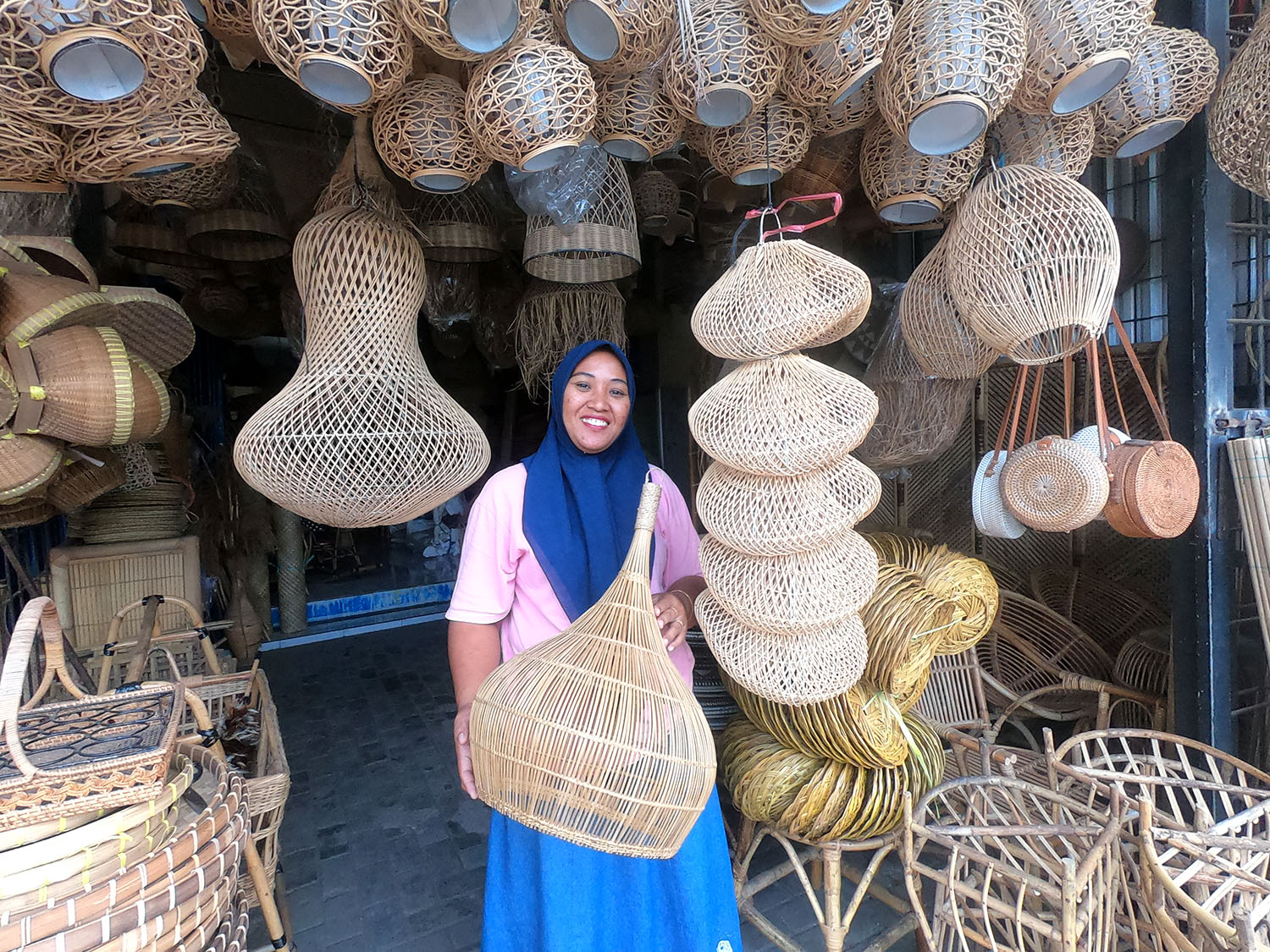
Bamboo – called bambu locally or bambusa vulgaris botanically – is one of the most versatile plants found in Lombok and is used extensively for everything from furniture to building construction.
Bamboo is actually a sub-species of grass and over 1500 varieties have been identified around the world. The plant can grow up to 60 centimetres (23.6 inches) in one day and reach a height of 18 metres (or around 60 feet).
Because bamboo is fast growing and readily available throughout the island, it has traditionally been used for centuries as a building material. Houses, huts and shelters are built using strong bamboo poles for the framework, while the outside walls and inner partitions are made from split bamboo lengths woven together into panels, called bedek.
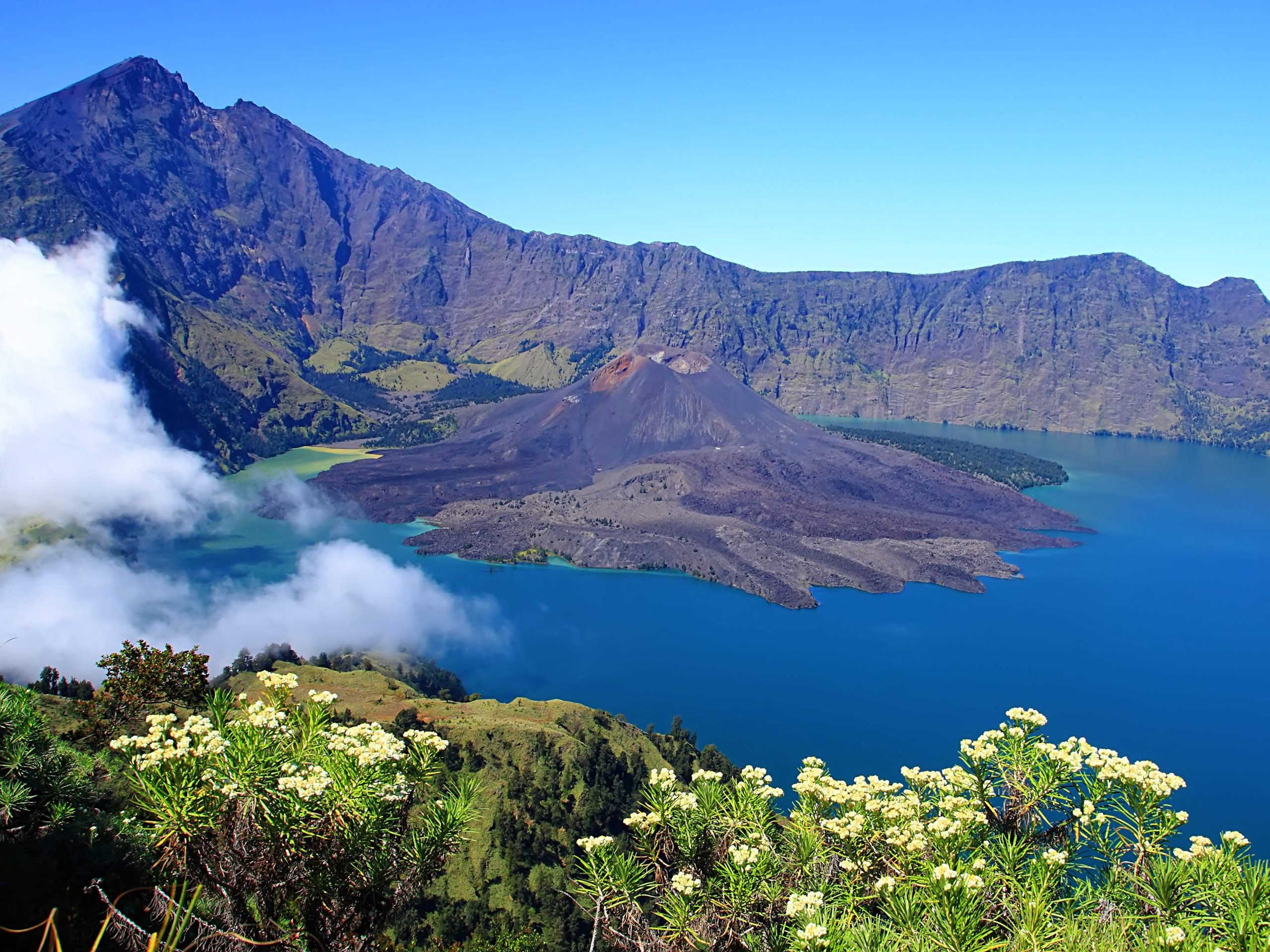
Mount Rinjani… Lombok’s Sacred Volcano
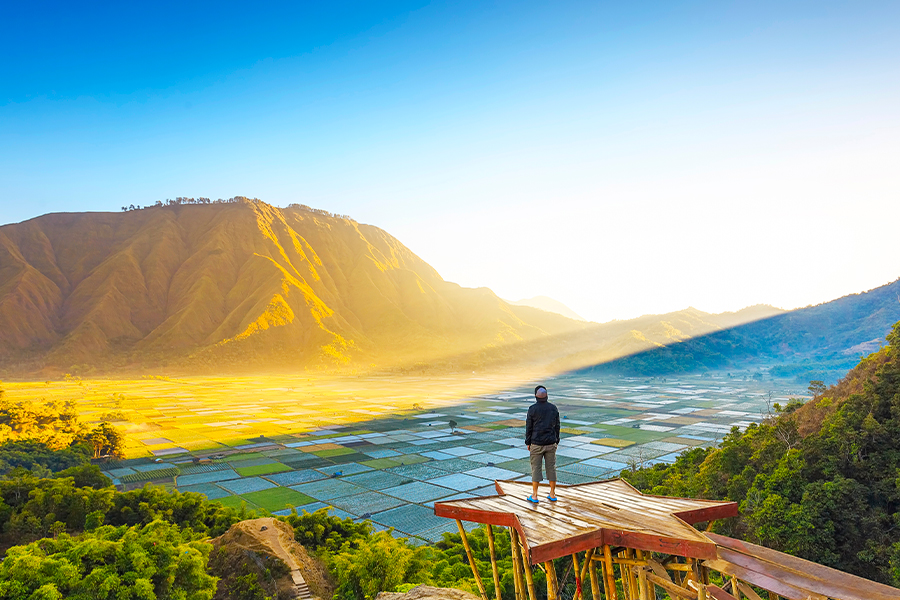
Lombok is home to many natural attractions, most notably the world-famous volcano, Mount Rinjani, located on the northeast of the island. Rinjani soars 3,726m above sea level and is the second highest volcano in Indonesia, annually attracting hundreds of thousands of trekkers and climbers to Lombok.
Particularly at this time of the year, during the European holidays and Lombok’s “high season”, visitors from around the world come to Lombok to climb Gunung Rinjani – either to its awe-inspiring crater lake, or to the demanding summit with its panoramic views across the ocean to Gunung Agung, Bali’s famous sister volcano. Gunung is Bahasa Indonesia for “mountain”.
GILI GEDE… the Gateway to the Southwest Gilis!
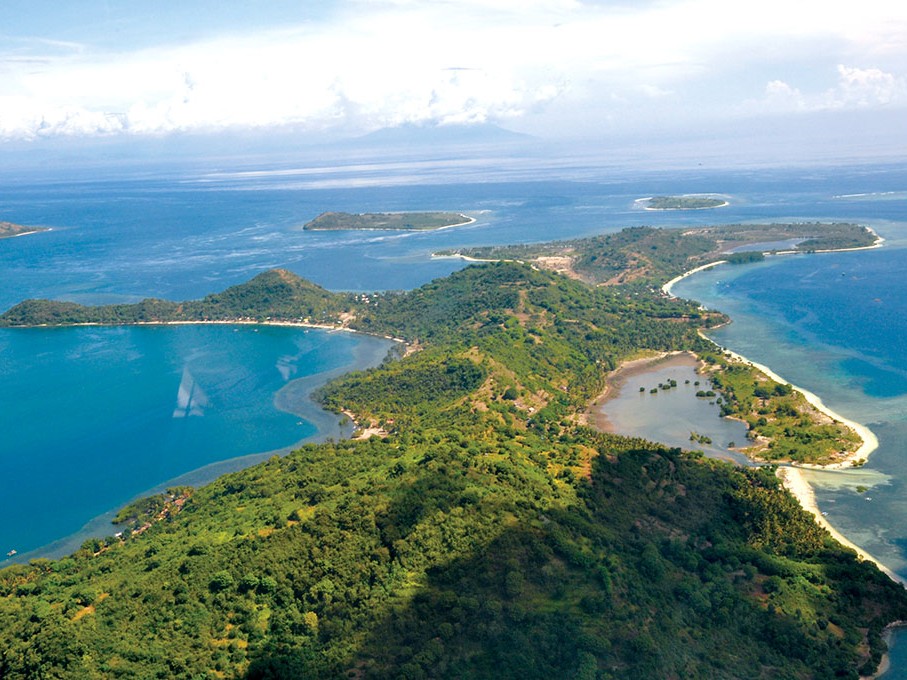
Rising out of the calm sea just off the southwest coast, the island of Gili Gede is so big that it is often mistaken for part of the mainland.
It’s only when you get closer that you see that it is actually separated from the mainland by a small stretch of ocean and is, in fact, a large island – hence the name ‘Gili Gede’, which, translated from the native Sasak language, means ‘Big Island’.
Gili Gede (pronounced ‘Ge-day’) is the largest of the southwest islands dubbed ‘the Secret Gilis’ – in contrast to the well-known ‘Gili Islands’ of Trawangan, Meno and Air off the northwest coast of Lombok.
The Secret Gilis are arguably Lombok’s best kept secret… thirteen pristine islands surrounded by clear blue waters, mostly undeveloped and only visited by the few who don’t mind wandering off the beaten track to discover their personal slice of paradise.