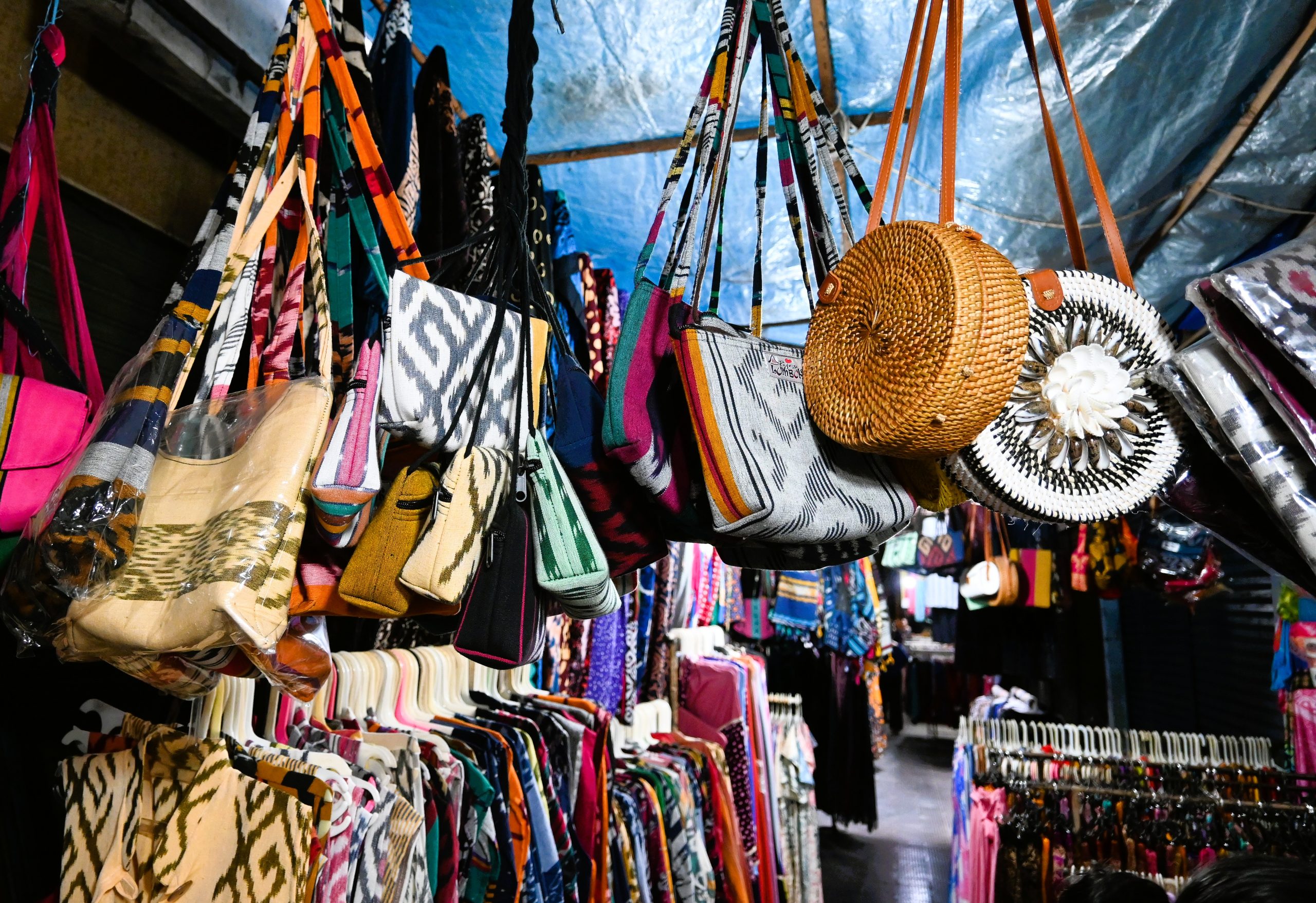
BAZAAR… CAKRA MARKETS!
Lombok isn’t known for its shopping opportunities. That’s Bali’s game, with its endless rows of stalls pushing T-shirts, trinkets, and “same same but different” souvenirs on every corner.
Lombok is for relaxing. It’s a place to haggle for pearls and sarongs on the beach, to explore quaint villages where artisans are still actually making things by hand…. or to brave the local markets in search of a unique collectible or quirky item at bargain prices.
For something a bit off the tourist radar, start at Pasar Cakranegara – or “Cakra Market” if you want to sound local. It’s a chaotic, colourful maze where you’ll find everything from fresh spices and woven baskets to vintage curios. It’s not the usual guidebook stop, but that’s exactly why it’s worth a look.
Located in the middle of the city, at the intersection of Jl Selaparang and Jl AA Gede Ngurah, the Cakra Market is a labyrinth of stalls spanning a city block, packed with bargains for the intrepid traveller.
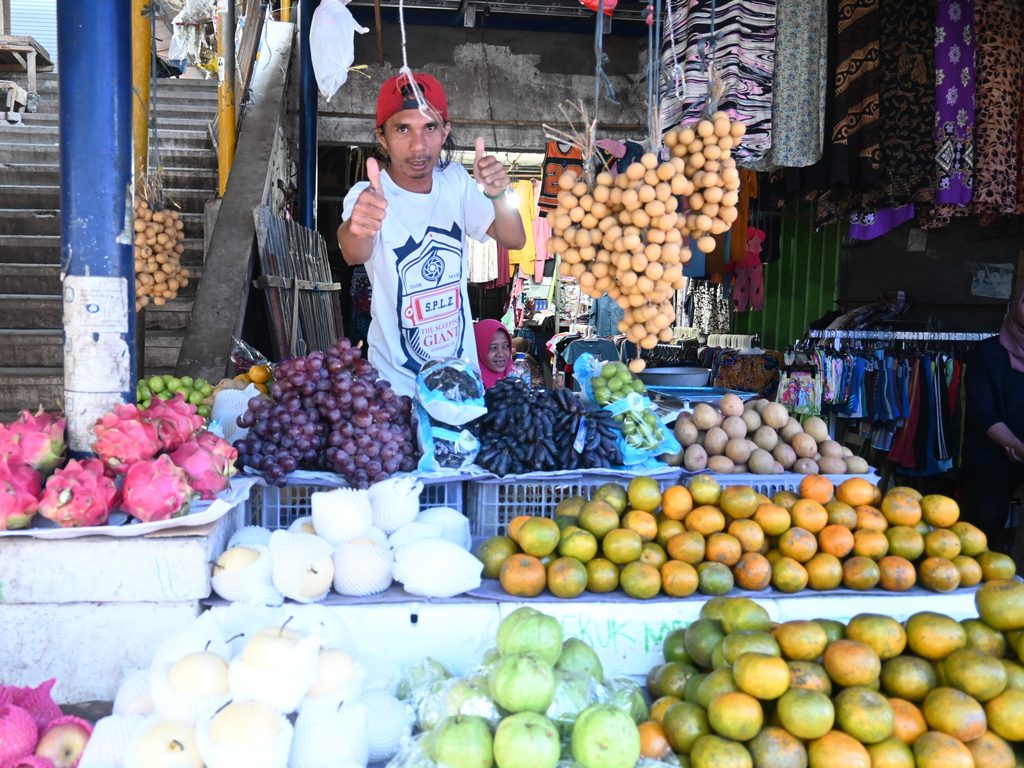
If you’ve ever wondered where the locals do their shopping, this is one of the best places. It is also very popular with domestic tourists, who know where to seek out a bargain when they visit from Java and the other islands.
Stalls upon stalls line the narrow alleys of this market, shoulder-to-shoulder with their neighbours, and overflowing with goods of every description.
There are multiple entrances into the market from both main roads. Have a browse in the main alleyway and then make your way upstairs to discover the hidden sections that make up this bustling hive of commerce in the heart of the city.
One section of the market upstairs is dedicated to food and produce – and is not for the faint-hearted! The sights and smells can be overpowering on a hot day.
Chickens, freshly plucked, heads and feet piled high on trays (and considered a delicacy) lay on tables next to hacked pieces of meat and offal. Swarming flies are lazily flicked away by the vendors, as are the cunning cats lurking under the tables crowded with fish and seafood.
In counterpoint, nearby stalls waft exotic aromas with baskets of spices for sale – cloves, ginger, pepper, lemongrass, garlic and shallots add their scent to the warm air.
Oranges and mandarins, bunches of fat purple grapes, spiky pineapples, curious snake-skin textured salak, papaya, bananas and other tropical fruits spill from stalls in bright confusion.
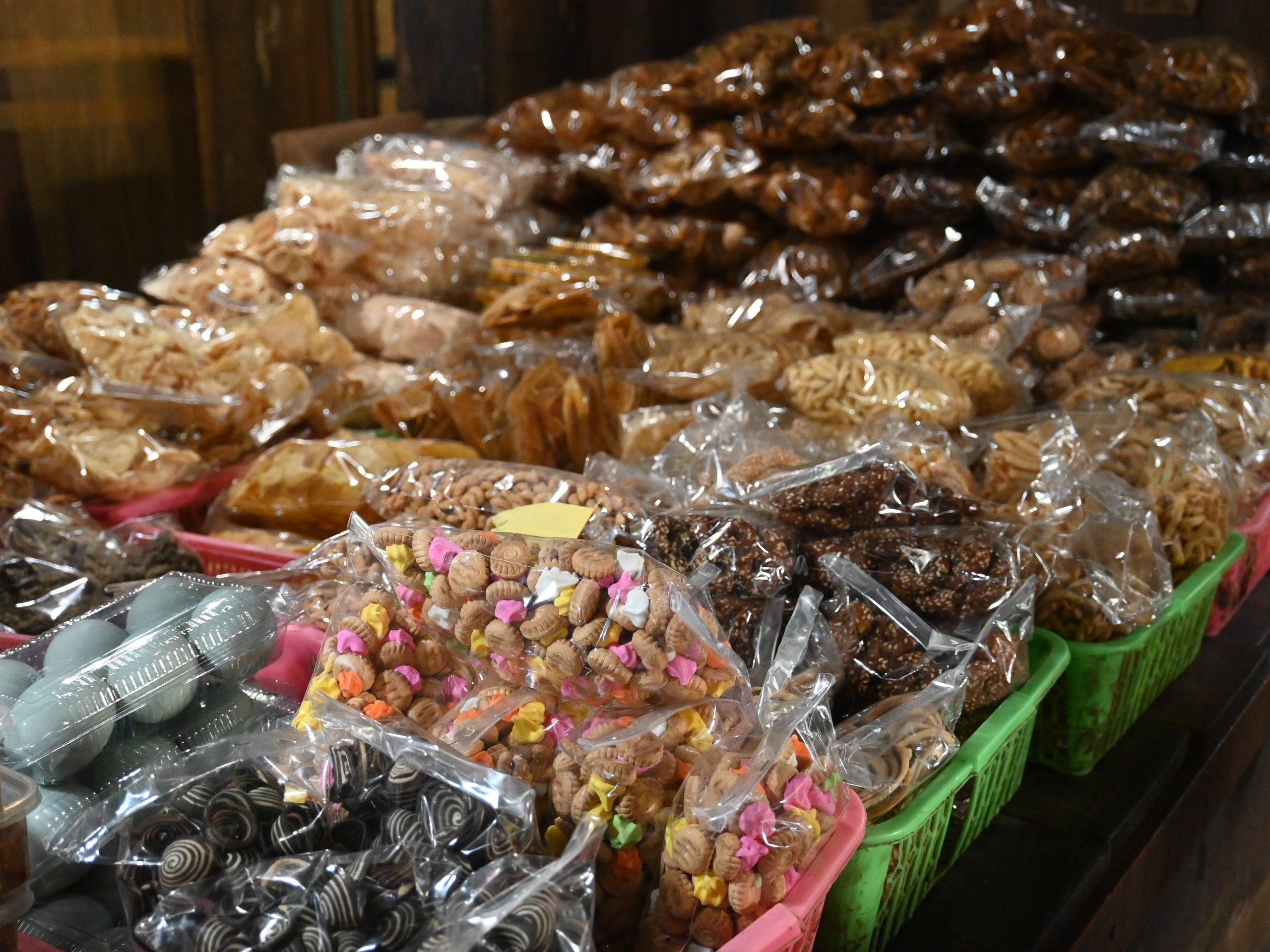
One whole section is dedicated to jajan – the small snacks and sweets that Indonesians love so much. Brightly coloured cakes and layered sweets, crispy pastries and bite-sized snacks flavoured with pandan, coconut, palm sugar and other exotic tastes wait to be discovered.
Further along, baskets overflowing with flower petals provide welcome relief and are a colourful sight. These are sold to the many Balinese Hindus who live in Lombok and who use the flowers in their daily offerings to the gods.
Woven bamboo baskets, brightly painted boxes and bowls, platters and containers of all shapes and sizes teeter in towers on nearby stalls.
Many are used for ceremonies in the temples but also make great collectibles and accessories for the home. Shoppers will often see these items for sale in Bali at greatly inflated prices; here they can be had for a fraction of the price!
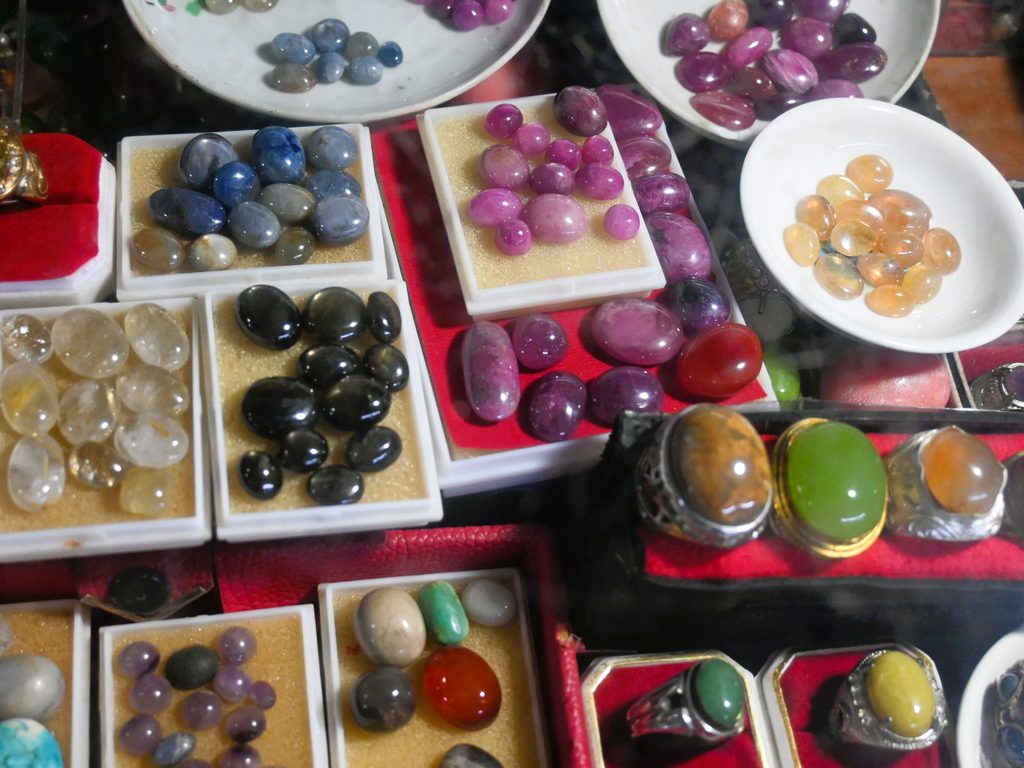
Dotted in the side alleys are small antiques stalls selling everything from jewellery and semi-precious stones, to vintage crockery, weapons and keris – the spiritual daggers found throughout Indonesia.
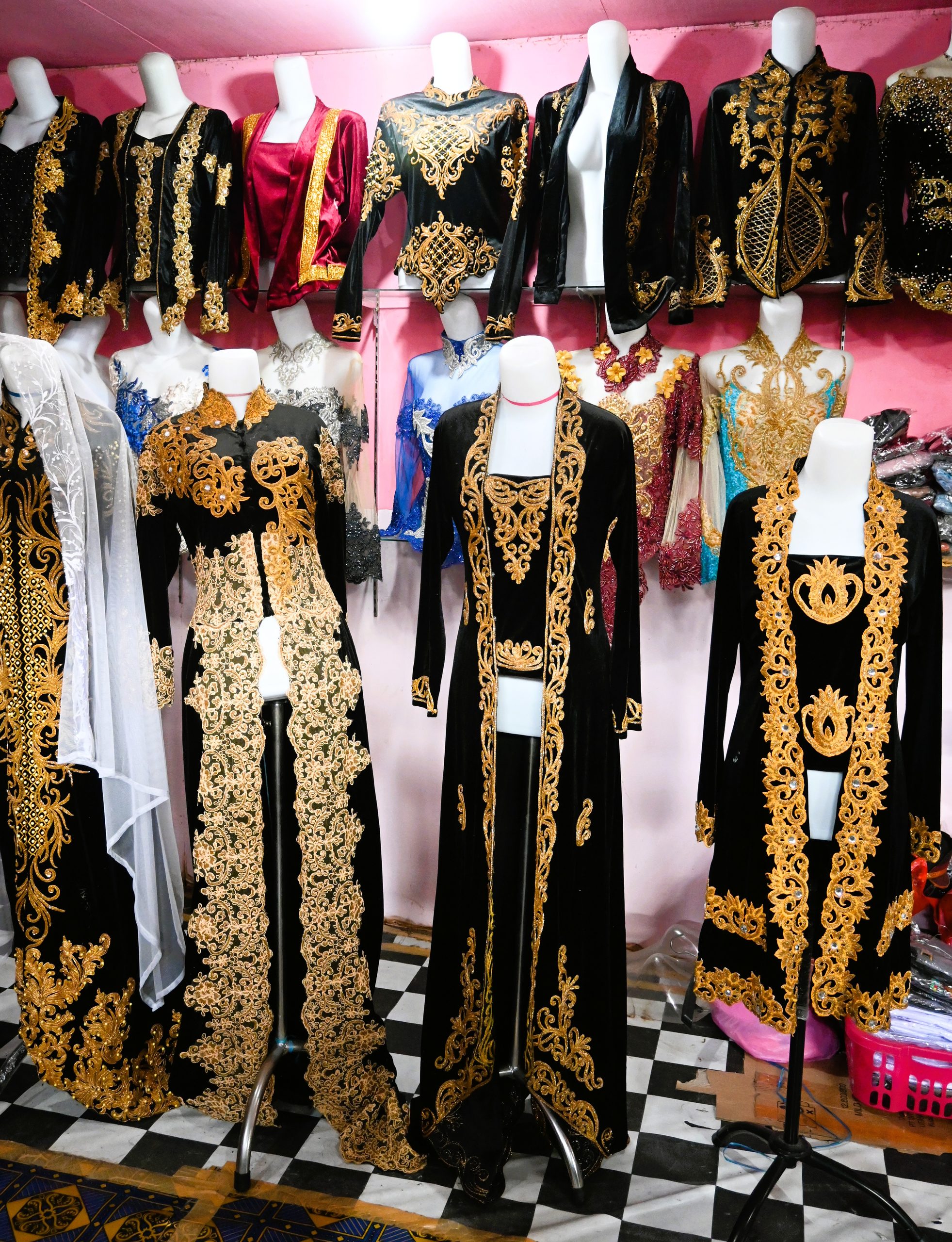
Some stalls sell beautifully sewn intricate lace kebayak – the traditional blouses worn by Indonesian women – together with authentic sarongs and headdresses.
Downstairs, the labyrinth continues. Stalls overflow with shoes. Cheap copies of famous sports sneakers, casual sandals and thongs, heaped next to high-heeled dress shoes and stilettos, in myriad colours and styles. All at prices so cheap, it’s silly to buy just one pair!
Necklaces, bracelets, rings, bangles, hair accessories and everything under the sun to do with decoration, hang on stands and are piled in plastic bags on the floor.
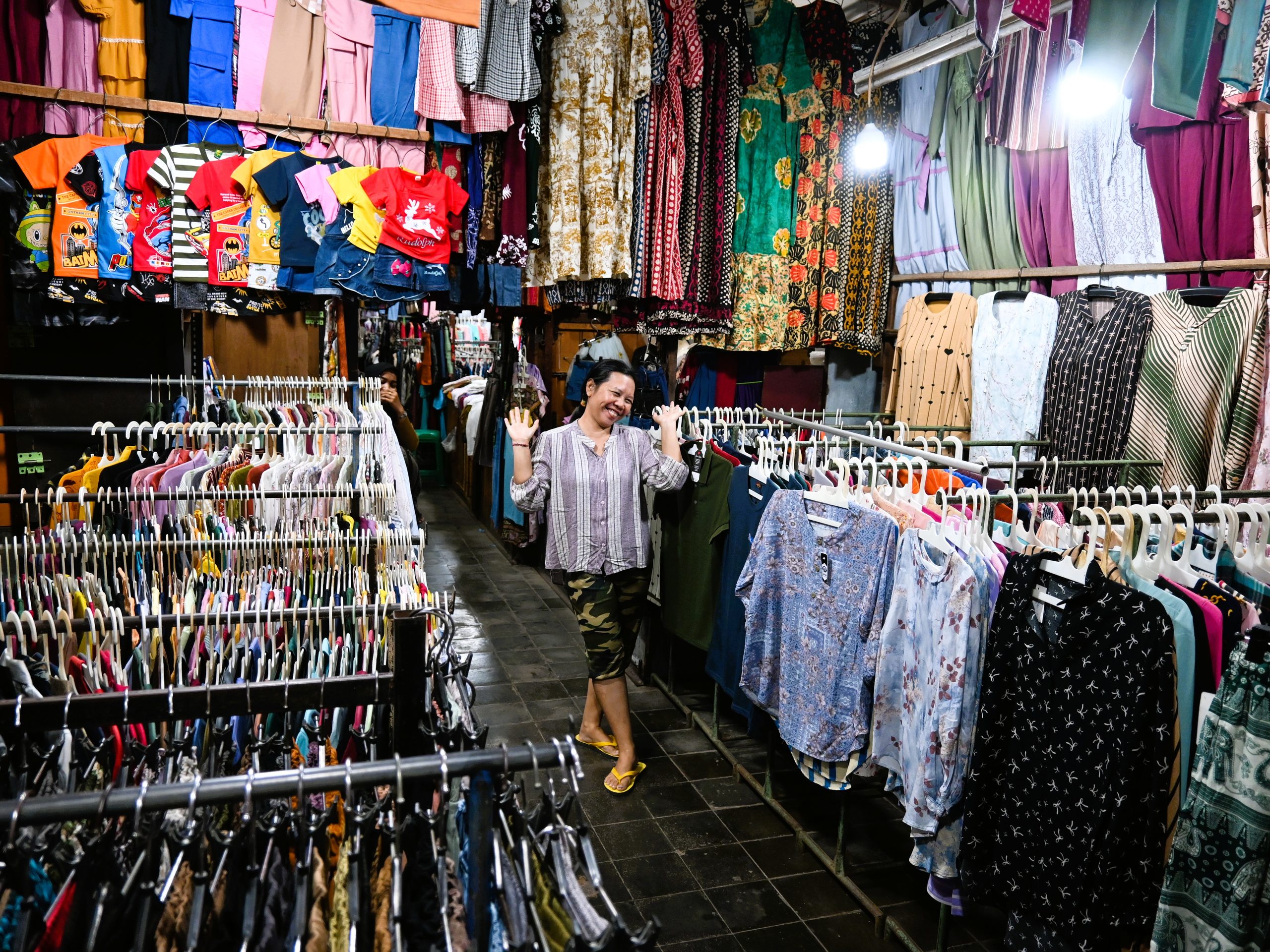
Then there are stalls full of clothing, hats, handbags, underwear and socks, and even whole stalls dedicated to balloons and party supplies.
Multiple stalls are filled with children’s clothing of all ages, including school essentials and sportswear.
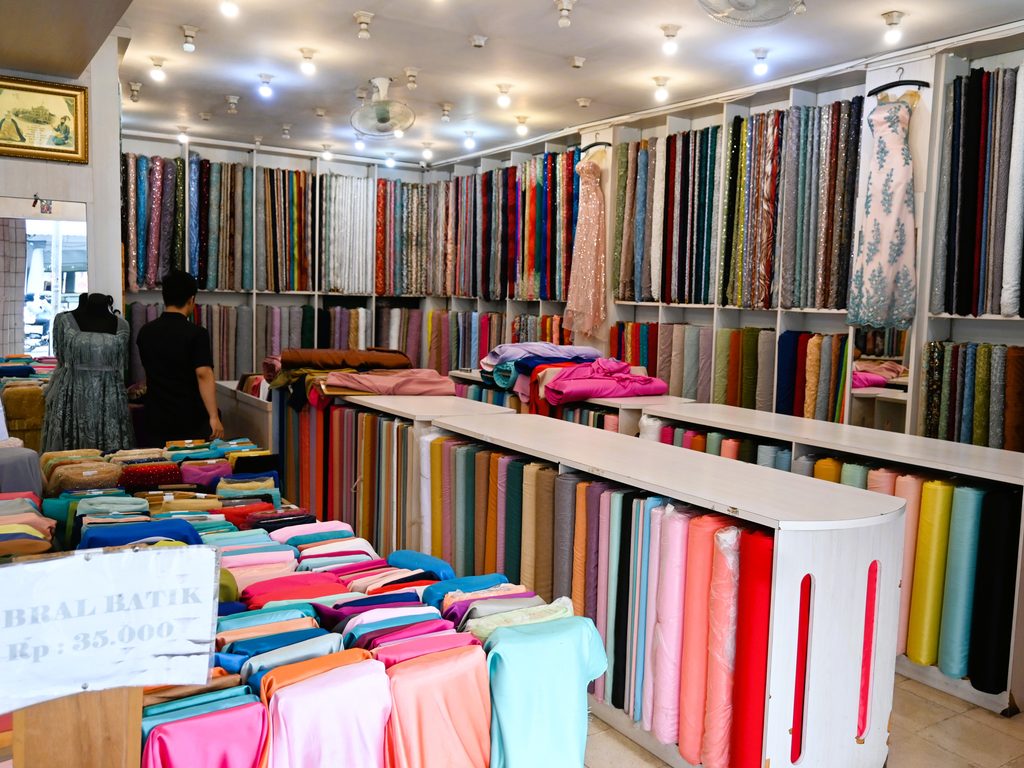
The next alley reveals jewellery, jewellery-making findings, buttons, beads and haberdashery. On Jl Selaparang, more shops overflow with rolls of fabrics – everything from pure wool and linens to dreamy embroidered chiffons.
In the true tradition of an eastern bazaar, the Cakra Markets are an amazing kaleidoscope of sights, sounds, colours, textures and smells, engaging all the senses… and presided over by friendly and wily traders who are happy, and perhaps a bit surprised, to see a tourist in their midst.
Hire a driver to take you there and act as an interpreter. Like in any market in Indonesia, be prepared to rub shoulders and squeeze through narrow spaces and – most of all – remember to haggle!
Generally start at around half of the asking price and enter into the art of negotiation with a smile and good humour. You can’t help but walk away with a bargain!