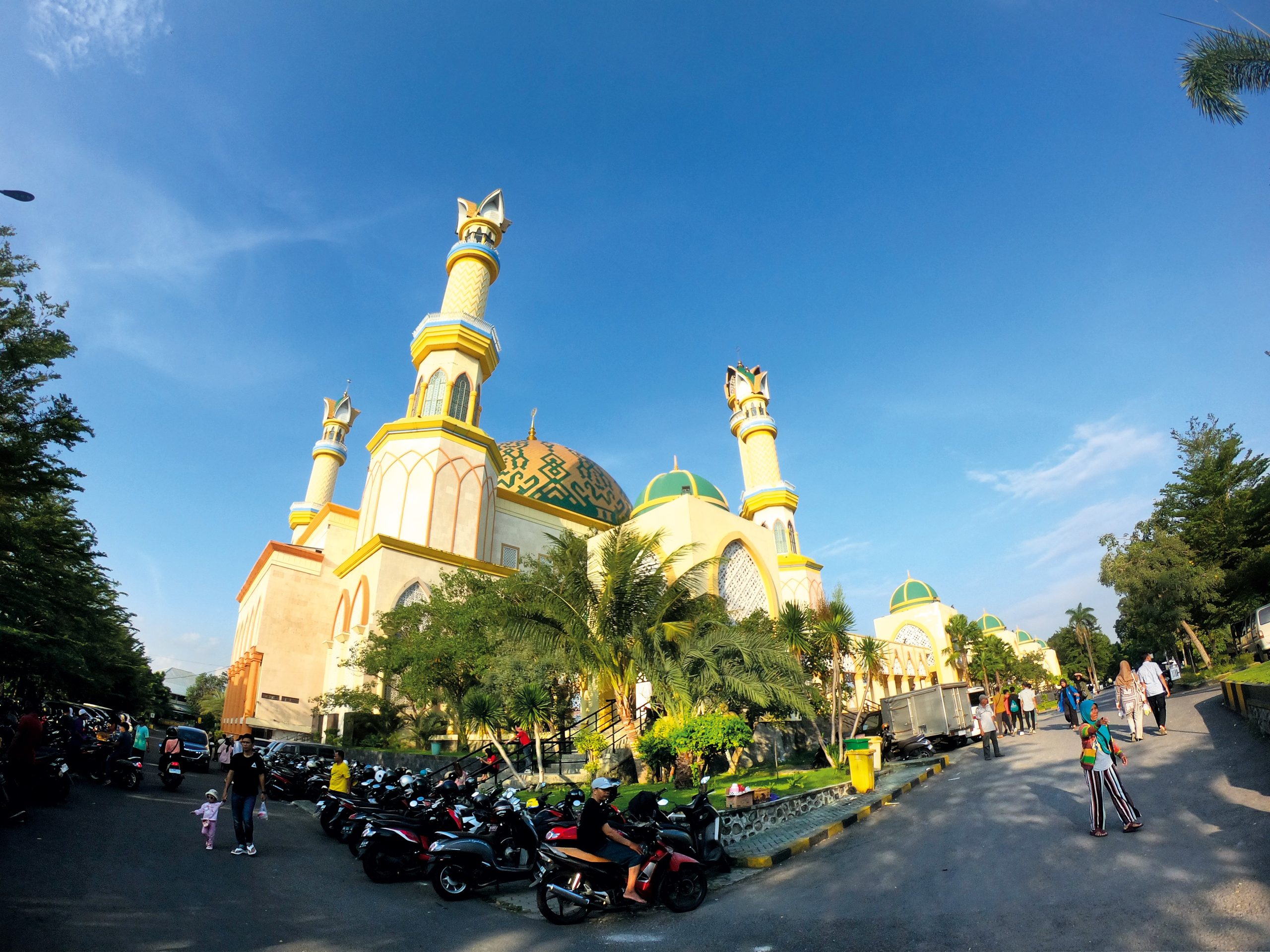
RAMADAN AND IDUL FITRI IN LOMBOK
As we go to print this year, Muslims across the world are fasting for month of Ramadan.
Lombok’s Muslim community too will be abstaining from drinking, smoking, and having sex between sunrise and sunset each day. However, if you are staying in the main tourism areas – Senggigi and the west coast, Kuta and the south coast, and on the three Gili Islands – it’s business as usual.
Hotels and resorts are open for business, restaurants serve meals all day, bars are open and still serve alcohol – and planes, ferries, fast-boats and taxis are all operating as usual!
Ramadan is also due to end this month, around 30 – 31 March and, for those who are in Lombok at this time it’s a great opportunity to join in the celebrations!
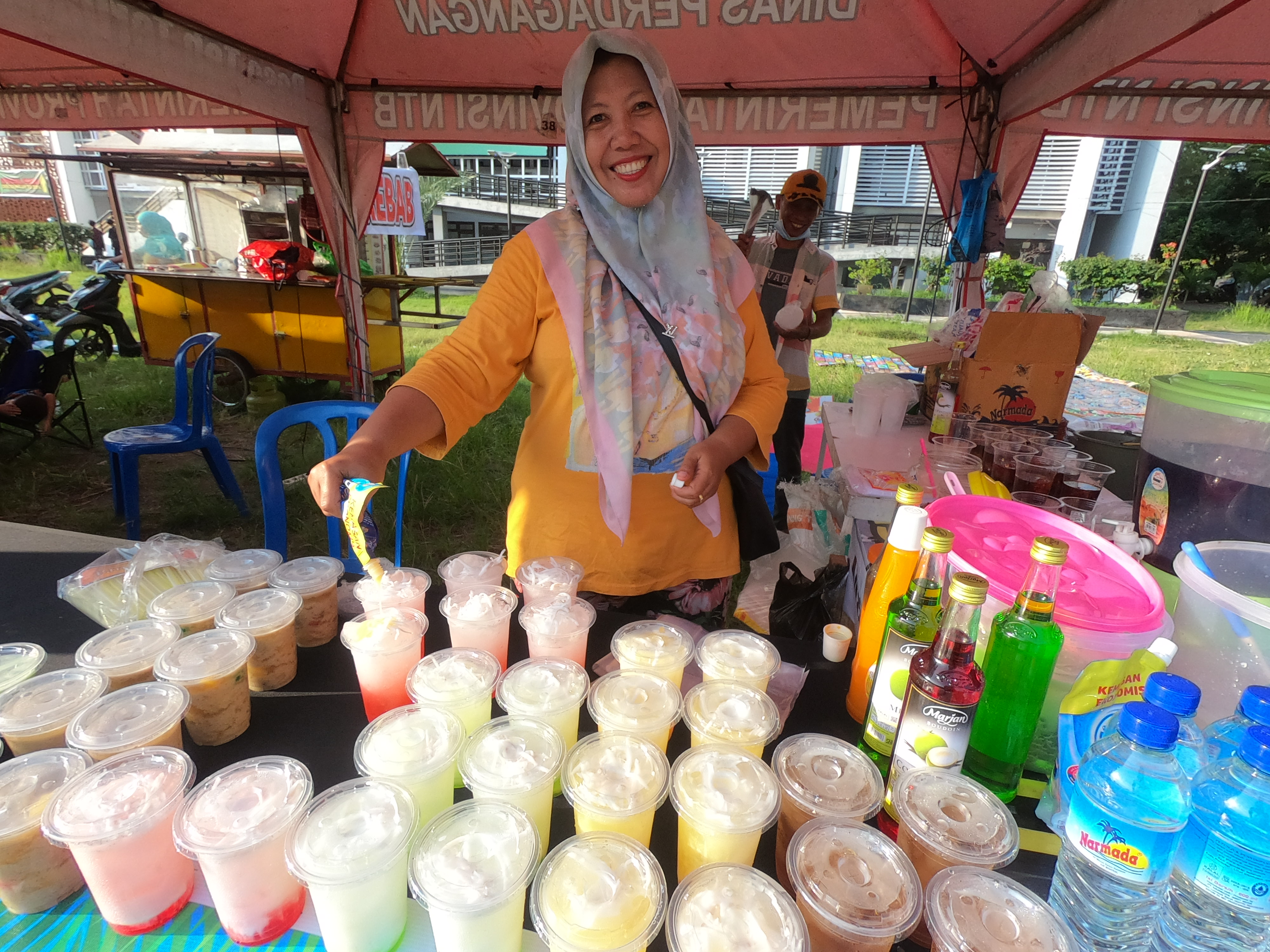
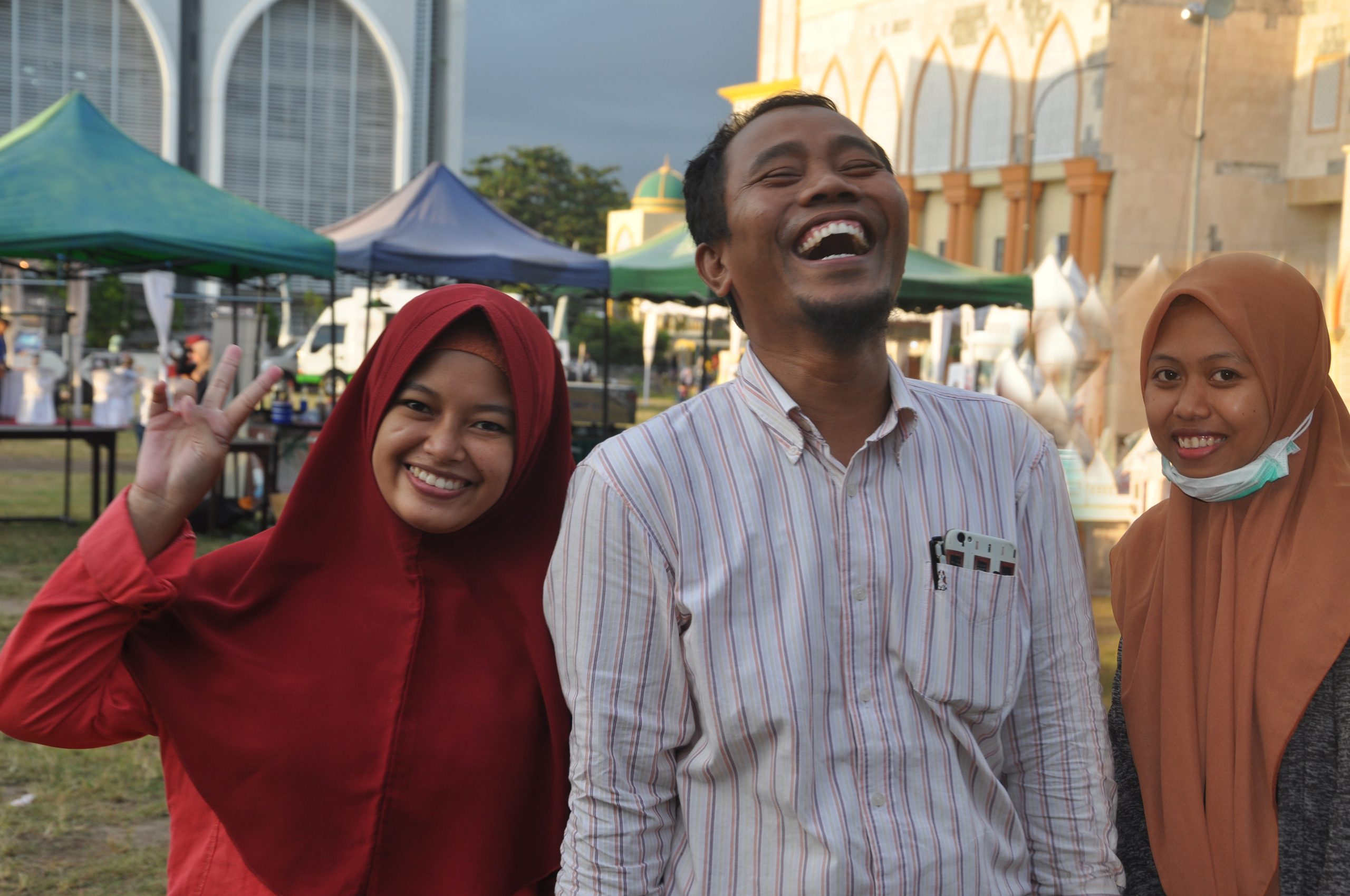
Idul Fitri (or Eid al-Fitr) – known as Lebaran in Indonesia – is the most important holiday of the year, as the whole nation celebrates the end of the fasting month.
The first two days of Lebaran are especially happy occasions. Similar in spirit to Christmas for westerners, Lebaran is the time for all the family and friends to get together and celebrate.
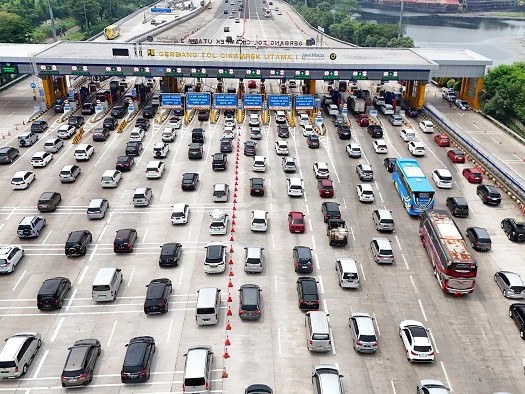
Around 150 million people will be travelling to reunite with their families in the days before Idul Fitri. This holiday exodus is known as Mudik. People working in the far-off islands, as well as many of those working abroad, will try to come home at this important time – for many it is the only time in the year that the whole family will be together.
For those travelling during this time, it’s important to be aware that flights are often booked out weeks in advance. Airports, terminals and harbours will be crowded and traffic on the roads will be heavy for the week before and after Lebaran. Expect delays.
Lebaran is a time of happy reunions and people greet each other, saying “Mohon ma’af, lahir dan batin” – meaning to ask forgiveness for any wrong-doings throughout the previous year. It is a way to let bygones be bygones and to start afresh.
The first day of Idul Fitri starts with early prayers at the mosque and then the day is spent visiting families and friends; celebrating the end of a successful fast, renewing bonds and eating festive foods together.
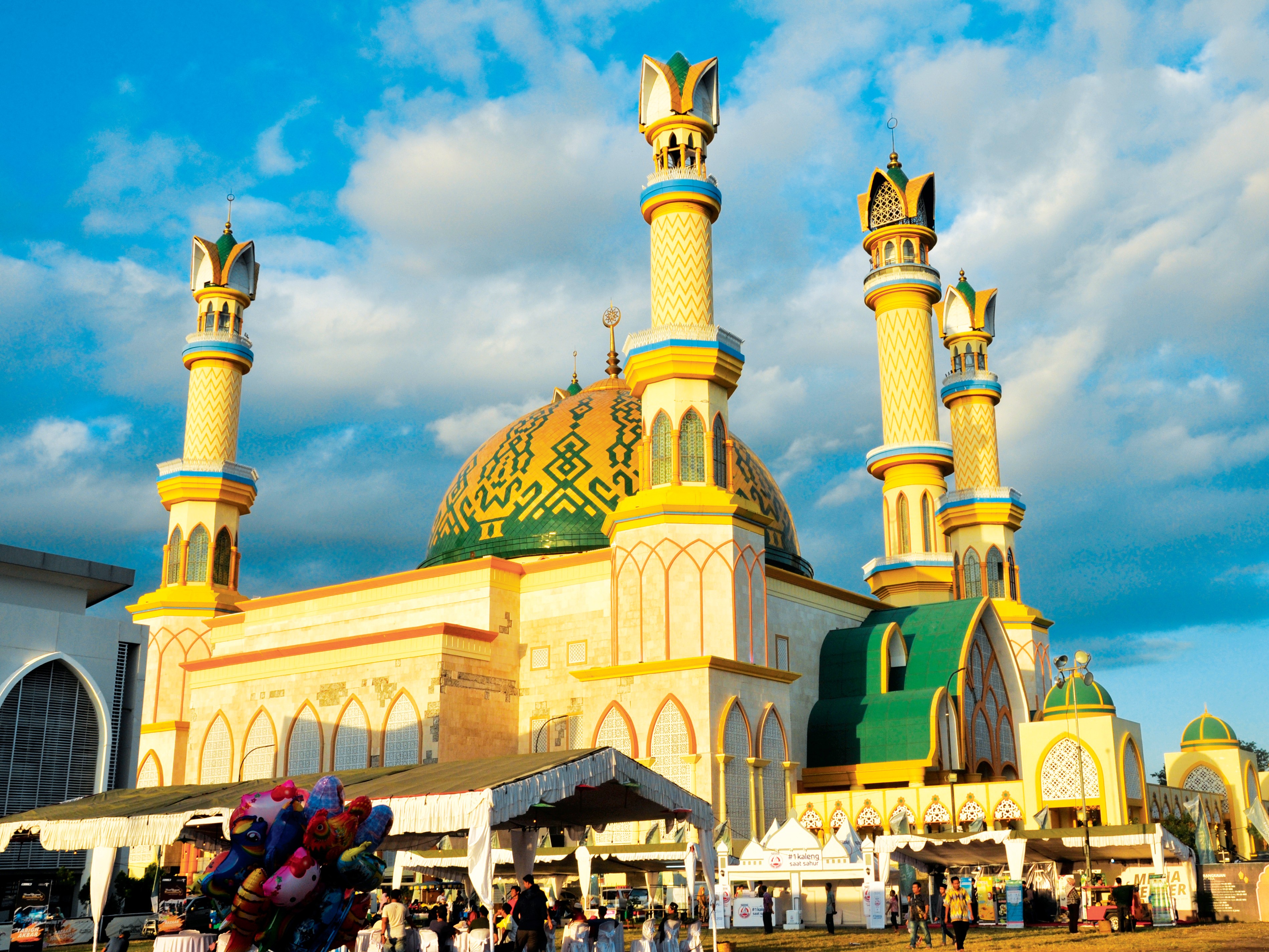
Mosques can be particularly noisy on the night of Takbiran, with drumming and chanting lasting the whole night. Be aware that it may be difficult to sleep if you are staying near a mosque. Closing windows, using the air conditioner, playing soft music or wearing ear plugs will help.
People in Lombok will often visit cemeteries together to freshen up the graves of family and friends who have passed away, to pray and remember their spirits at this special time of the year.
Of course, everyone dresses up in their best clothes for the day and many will buy a new special outfit (baju Lebaran). Traditional batik is particularly popular.
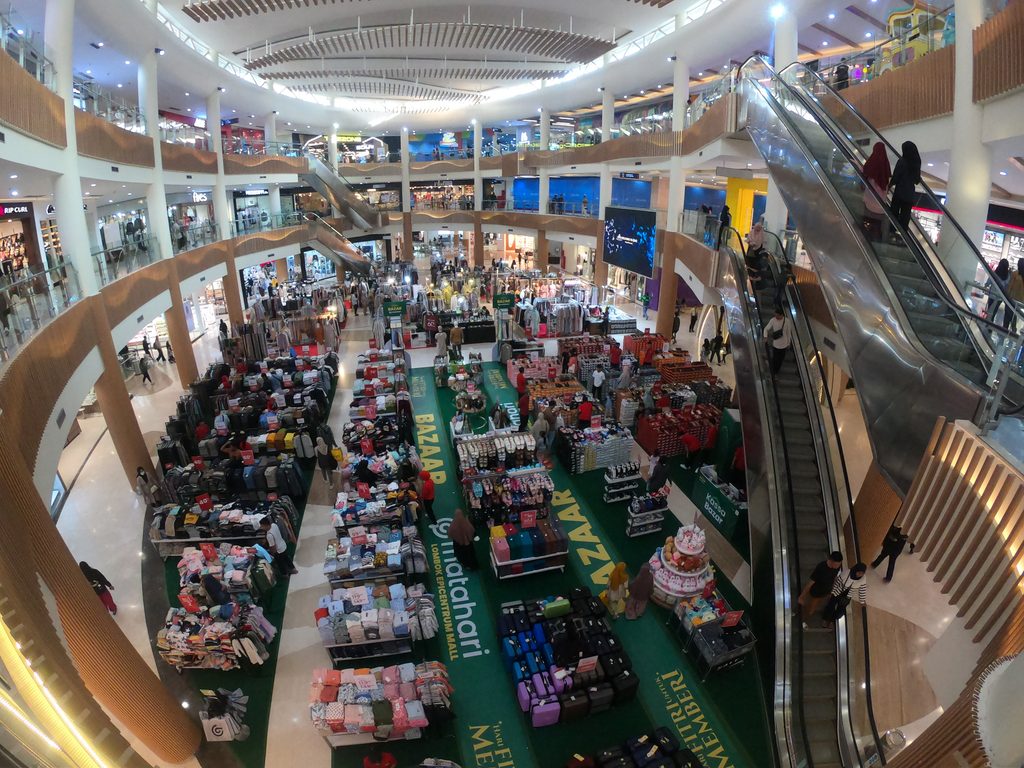
In the weeks before Lebaran, you’ll see clothing stalls set up everywhere, and the shops and malls in Lombok are packed with people buying special outfits for the celebrations. Competition is fierce with discounts and sales, and it’s a good time to pick up a bargain!
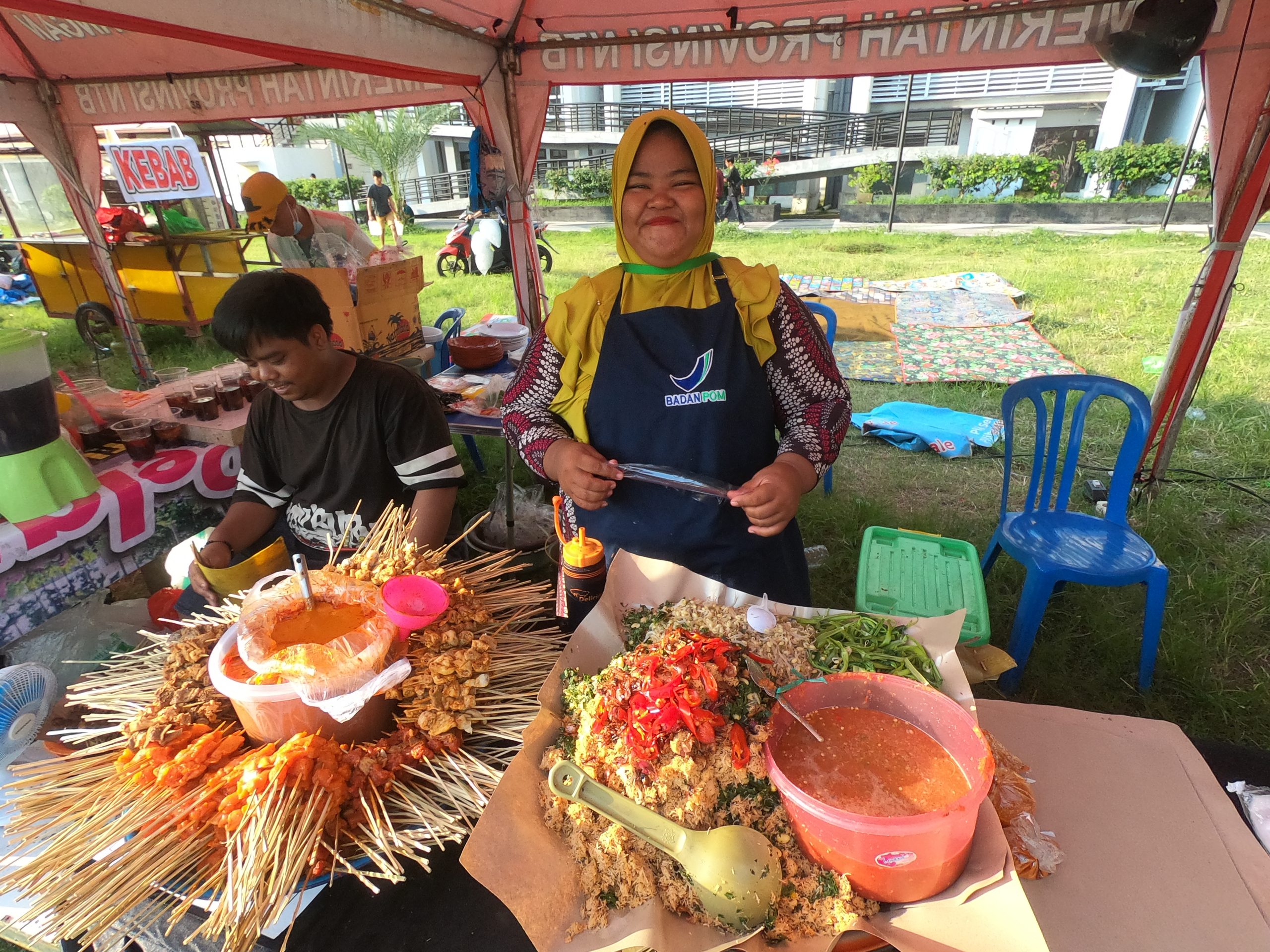
There are also special feasts to prepare and tables loaded with festive goodies to share with visiting family and friends. These are served at every house you visit and, as it is impolite to refuse, you will end the day feeling very full!
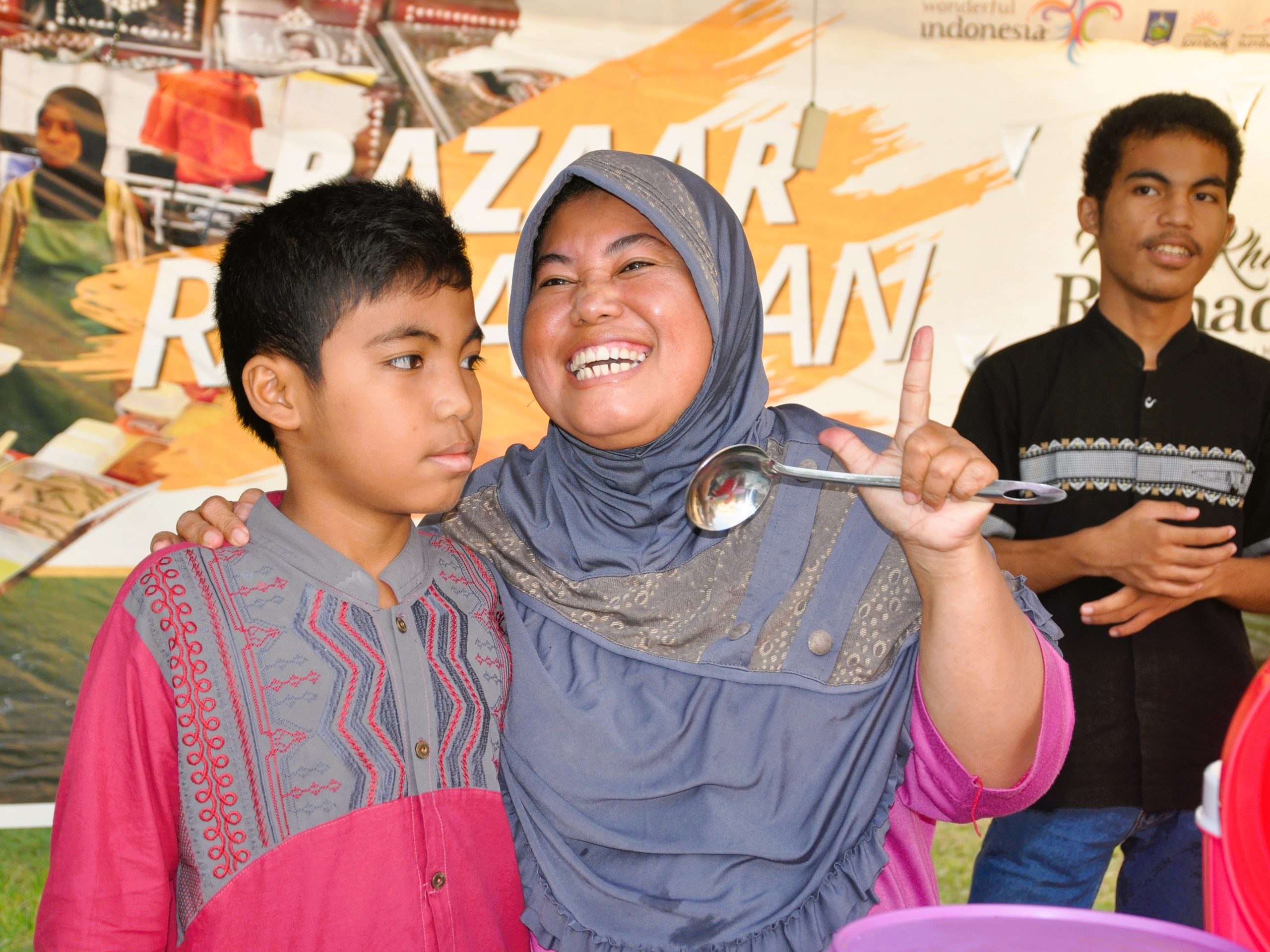
If you are invited to local homes during this time, don’t miss the opportunity to share in the happiness and feasting on delicious traditional foods and treats!
PAWAI TAKBIRAN, or the Takbiran Parade, is celebrated throughout the towns and villages of Indonesia in recognition of the successful completion of the holy fasting month and heralds the start of Idul Fitri.
The Indonesian government estimates that around 150 million people will be travelling across the archipelago over the two weeks of Idul Fitri, returning home for the holidays.
This will create a lot of congestion at airports and ports, but mostly on the roads, with millions of people travelling by car, motorbike, bus, truck and any form of transport available. We hope that those who are making the journey for Lebaran take care on the roads and reach home safely.
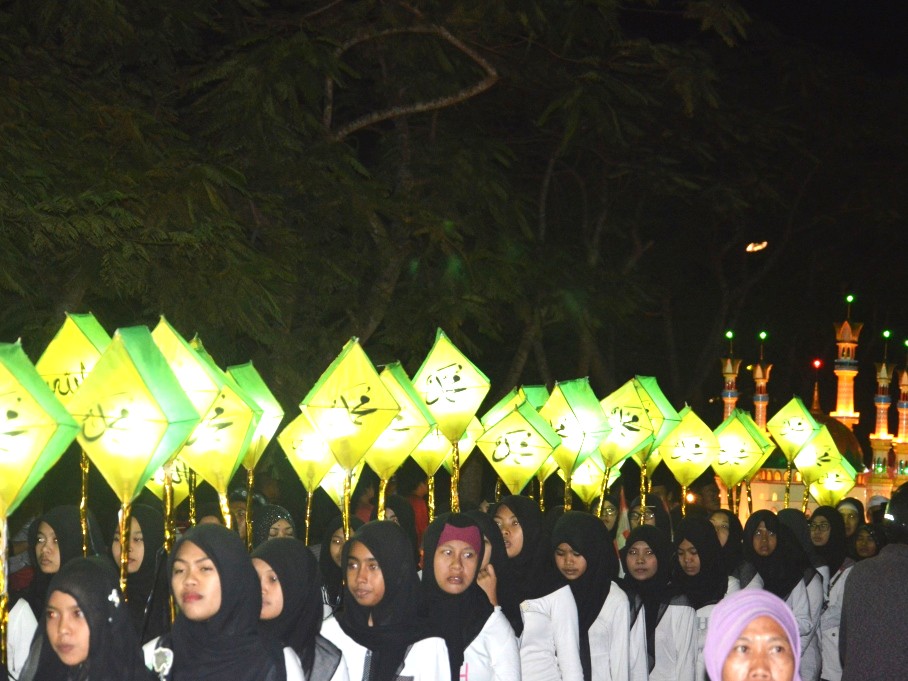
Starting in the evening on the last day of Ramadan and continuing throughout the night, bedug drums are beaten at sunset (maghrib) to signal that it is time to break the fast.
The communities then assemble for loud and boisterous parades, which include drumming accompanied by amplified prayer, chanting and lively Islamic music.
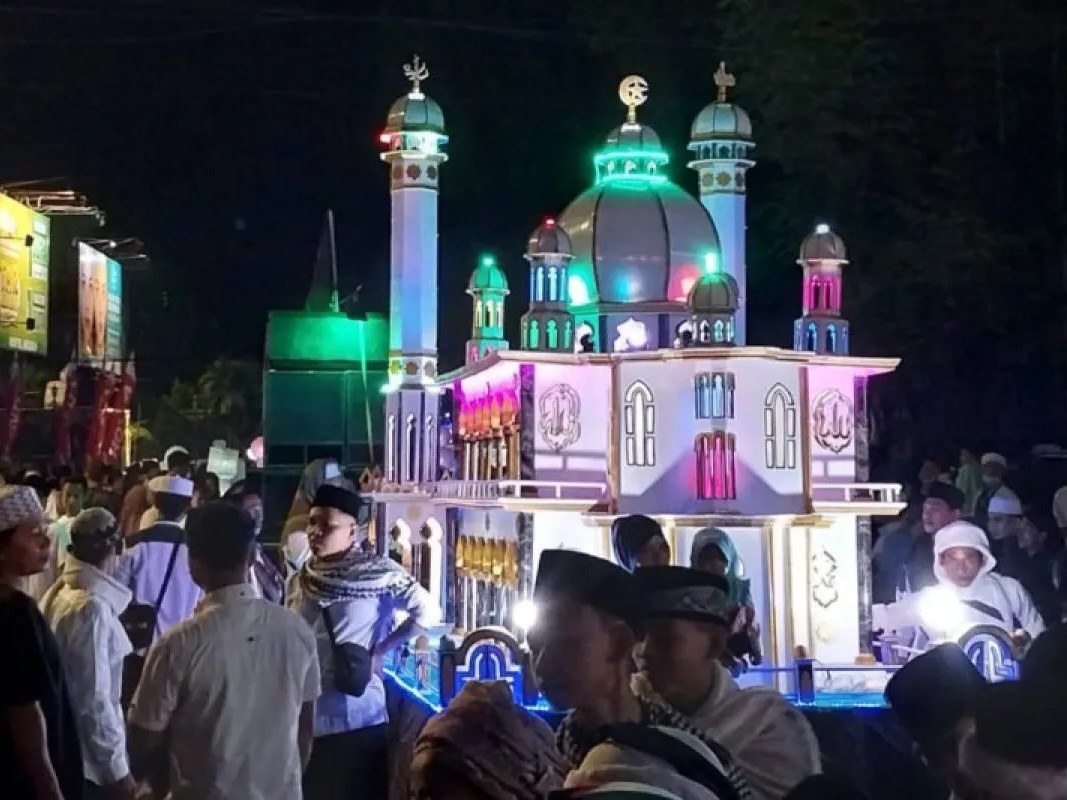
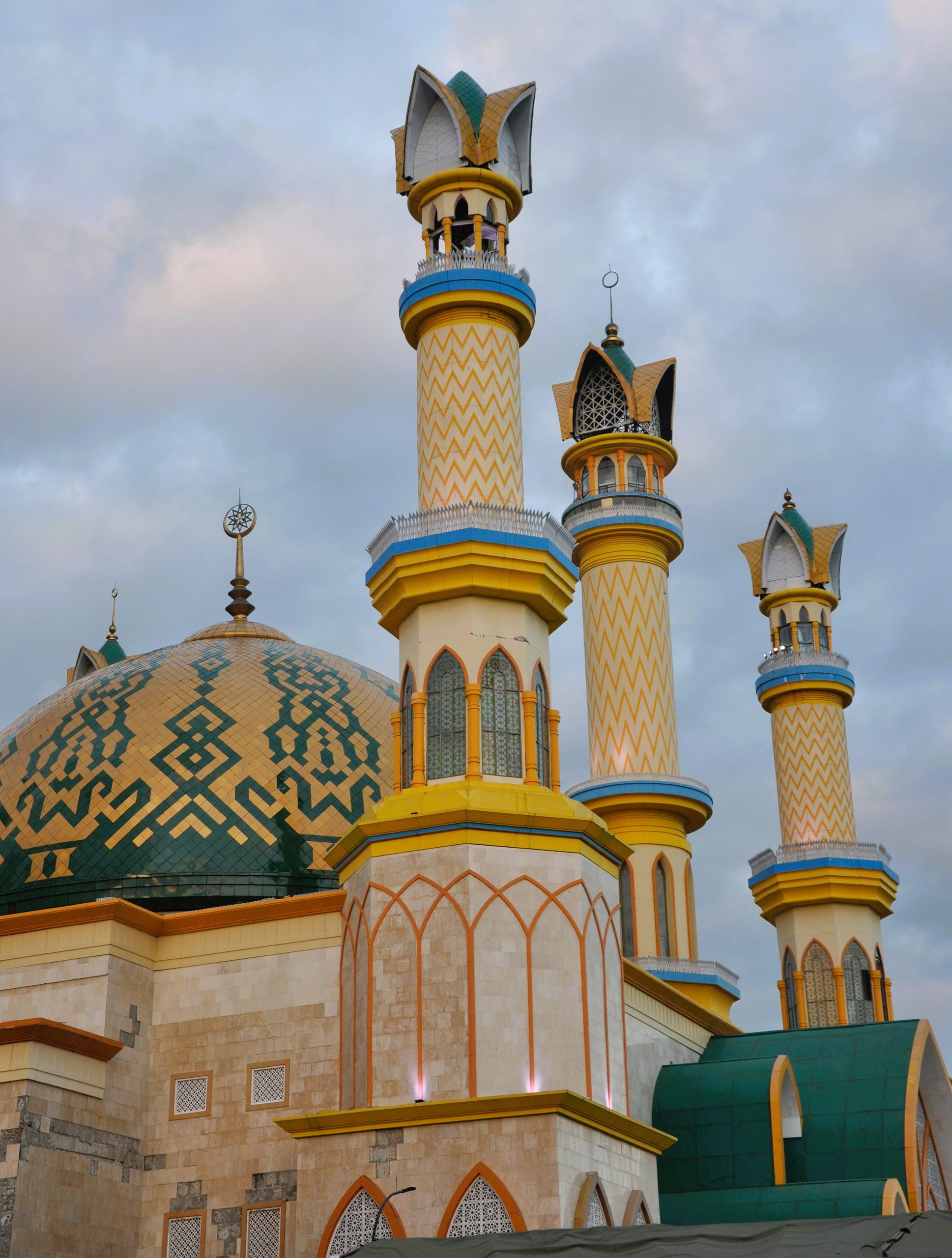
Takbiran itself is traditionally a “lantern festival”, or a festival of light, and lights feature highly in the parades. Mosques are lit from within, floats glow with fairy lights, and smiling people dressed in traditional Islamic clothing carry huge glowing letters spelling out words from the Qur’an, or glowing stars and hearts.
A couple of weeks before Lebaran, community groups gather together to construct displays for the parade. These will include models of mosques, holy characters and other Islamic symbols.
Some of the floats are quite elaborate, featuring detailed miniature mosques, complete with carefully painted minarets and domes.
The largest parade takes place along the main roads in the city and finishes at the Islamic Centre in Mataram.
The parade culminates with thousands of the Takbiran floats lighting up the night as fireworks explode overhead. It’s an awesome sight and the festival atmosphere makes Takbiran a fascinating event to witness.
If you don’t want to make the trip into the city, smaller parades take place along the main roads in all major towns across the island. Check at your hotel where their local Takbiran parade will take place if you’d like to witness the celebrations.
The actual date of Idul Fitri depends on the lunar calendar and varies each year. If you are in Lombok close to this time, ask any local person for the exact date.
Idul Fitri is a major holiday in Indonesia, this means government offices and banks will be closed.
Remember to take this into account for any banking or governmental business at the end of the month – including immigration for passports, visa renewals, exit permits, etc.