
Living in the Tropics… DENGUE DANGER
With rainy season well underway in Indonesia, it’s important to guard against the risk of mosquito-borne diseases.
Although malaria has almost disappeared in Bali and Lombok, Dengue Fever (called Deman Berdarah in Bahasa Indonesia) is still a threat every rainy season
The WHO reports that dengue is the most rapidly spreading mosquito-borne virus in the world.
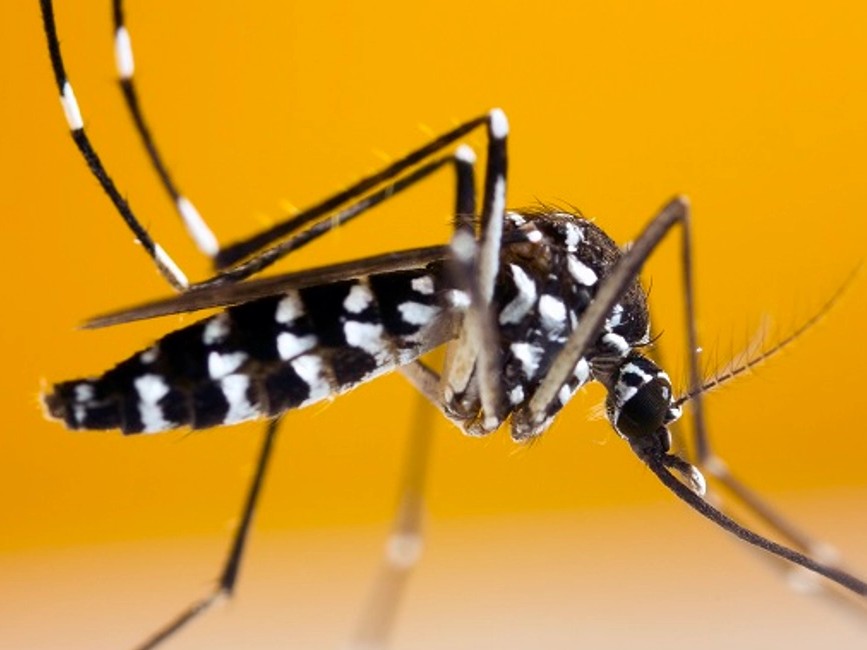
Dengue is transmitted through the bite of the Aedes mosquitoes, primarily Aedes aegypti and Aedes albopictus, which bites during the daytime hours and can be identified by the white markings on its body.
Dengue fever is an illness caused by the dengue virus (DENV) and there are actually four strains of Dengue Fever: DV-1 through to DV-4. Infection by one of the four dengue strains gives immunity against only that strain. However, infection by any of the other 3 strains is still possible, meaning you can get dengue again.
Prior dengue infections can interfere with subsequent immune responses to new dengue infections, with the risk of each subsequent infection producing more severe symptoms and increasing the chances of Dengue Hemorrhagic Fever or Dengue Shock Syndrome.
Two dengue fever vaccines are now available: Dengvaxia and Qdenga vaccine. Qdenga is the more popular vaccine and is available for ages 6 – 45 years. It is a live, attenuated vaccine (contains weak versions of dengue serotypes) and is given in two injections, three months apart.
The vaccines have been shown to be effective for those who have been previously infected with dengue fever, but adverse events have occured in those who haven’t been previously infected. Do research on each if you are considering vaccination.
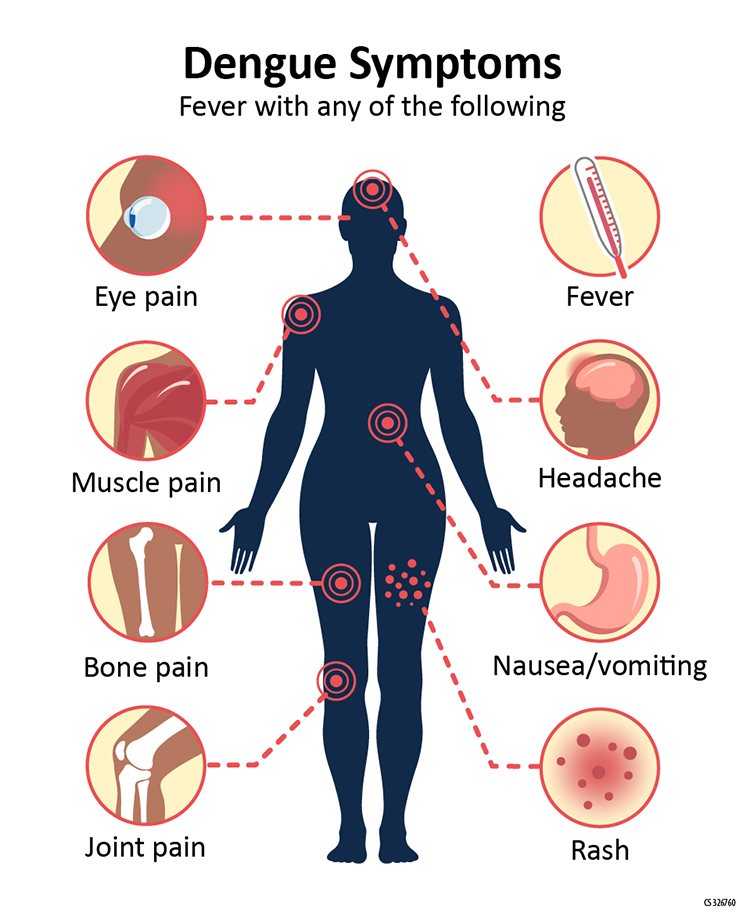
Initial symptoms of dengue can feel like the flu and include fever, headaches, muscle and joint pain, and sometimes pain behind the eyes. The body aches are often extreme, which is why dengue is sometimes called “Break-bone Fever”.
No one knows exactly why Dengue Fever affects some people more severely than others, although it is believed to be linked to the immune system.
Some people experience fever and body aches, which resolve in 7 – 10 days with no major problems. Others will experience very high fevers (over 40ºC), aching joints and muscles, stabbing pains, painful headaches, pain behind the eyes and light sensitivity, skin rashes, peeling skin, weakness and deep exhaustion that lasts for weeks or even months.
There is no specific treatment available for Dengue Fever, apart from keeping well-hydrated to replace lost fluids, managing pain and fever with analgesics, such as paracetamol or Panadol, and getting plenty of bed rest.
Aspirin, blood thinners, non-steroidal anti-inflammatory drugs (NSAIDs), and corticosteroids should be avoided as they increase the risk of bleeding.
Drink as much water, coconut water, fruit juices, soups and re-hydrating drinks such as ‘Pocari Sweat’, as possible. Oral re-hydration sachets such as ‘Oralit’ are available at local chemists (apotek) and supermarkets.
High fever generally lasts for 3 – 4 days and, although many believe the worst is over when the fever drops, this is actually the most dangerous time, when complications such as Dengue Hemorrhagic Fever and Dengue Shock Syndrome can develop, due to falling thrombocyte (platelet) levels in the blood.
A simple blood test can readily confirm if you are suffering from Dengue Fever. Local clinics and hospitals can test for the disease, or you can request a test yourself at laboratories such as Prodia or Quantum Labs, or Siloam Hospital in Mataram (they also provide in-home testing).
Another blood test, known as a complete blood count (darah lengkap), can be performed at the same time to check blood levels – especially platelet count, which can drop to dangerously low levels during dengue infection.
While most people can recover at home, some people will require hospitalisation to prevent dehydration and manage pain. The patient’s complete blood count will be monitored, especially platelet count, as well as blood pressure, pulse rate and other symptoms to ensure the virus doesn’t progress to DHF or DSS.
Dengue Hemorrhagic Fever (DHF) symptoms include bleeding gums, bleeding from the nose and eyes, bleeding under the skin (causing bruising and red spots), and vomiting congealed blood (which looks like coffee grounds), and abdominal pain caused by bleeding into the gastro-intestinal tract. This is a medical emergency and treatment sometimes involves blood transfusion.
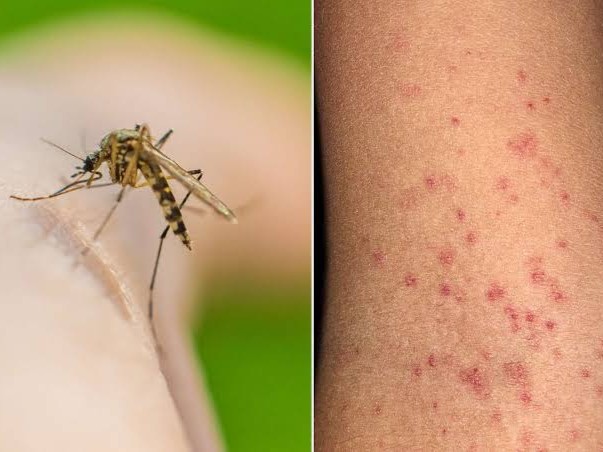
Dengue Shock Syndrome (DSS) occurs after 2 to 6 days with sudden collapse, cool clammy skin, a weak thready pulse, and blueness around the mouth. There is bleeding with easy bruising, blood spots on the skin (petechiae), blood in the stool, bleeding gums and nosebleeds. Pneumonia and heart inflammation (myocarditis) may be present. The mortality rate ranges from 6 – 30%.
Any of the above symptoms are a medical emergency and you should go to a hospital immediately. Severe dengue can lead to organ failure, severe bleeding, or death if untreated.
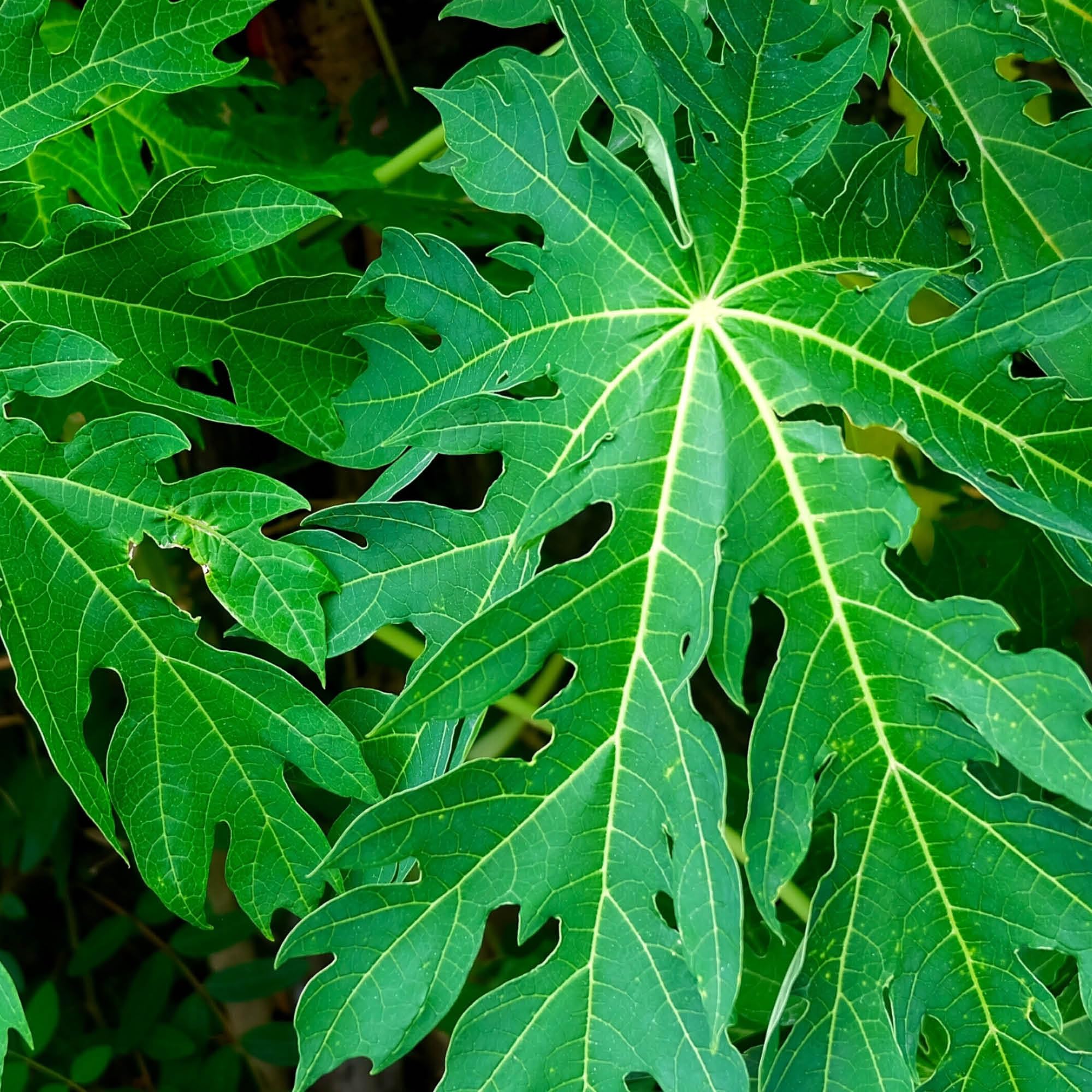
A traditional remedy for increasing platelets in the blood during the later phase of the illness is to drink the juice of papaya leaves. Some studies have shown support for this remedy with significant increases in platelet and red blood cell counts.
Chop fresh papaya leaves, crush or blend them with a little water, and strain through a fine cloth to produce the bitter juice. Drink twice daily. You can add a little sugar or honey to mask the bitterness. Do not heat the juice or boil the leaves.
The best way to prevent dengue is to avoid being bitten by mosquitoes. Use mosquito repellent, even in the day time. Autan, Soffell and Off mosquito repellents are readily available in local supermarkets and shops.
Cover up with long sleeves and pants where possible when outdoors. Use mosquito nets and air conditioning indoors to repel mosquitoes, and make sure windows and doors are secure to prevent mosquitoes getting inside.
Residents can help to reduce mosquito populations by cleaning up around their homes and removing any sources of standing water that serve as breeding grounds for mosquitoes.
This includes rubbish such as cans and discarded containers, old tyres, or coconut shells, as well as pot plant containers, potholes and anywhere rainwater can collect.

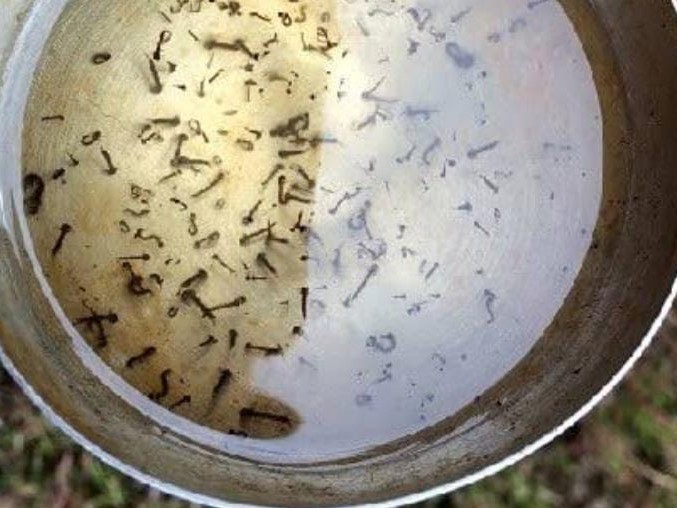
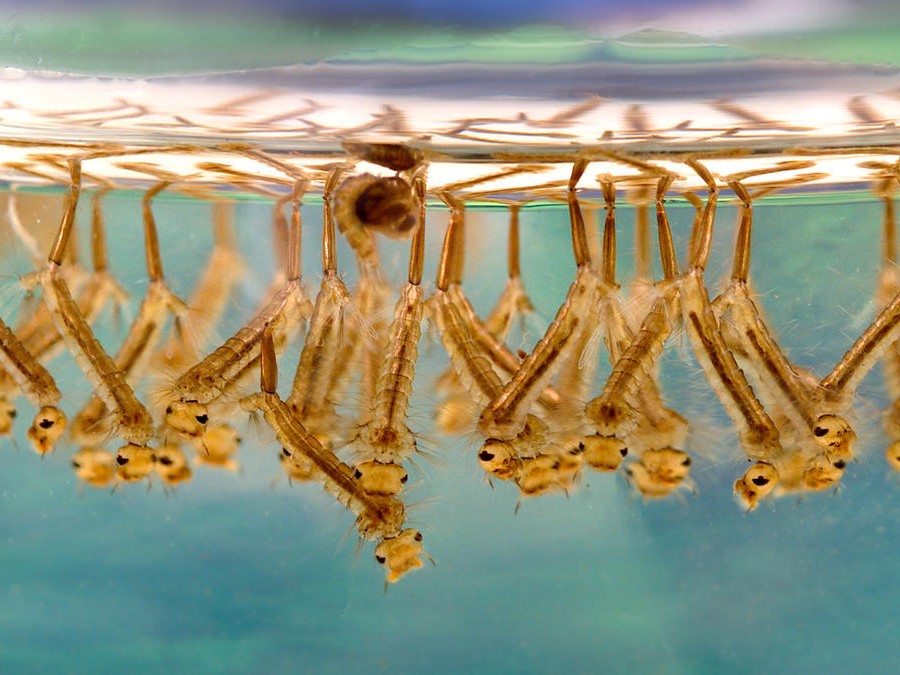
These mosquitoes need only a teaspoon of water that doesn’t evaporate for one week to lay their eggs, which mature into dozens of flying adult mosquitoes.
Clean out gutters regularly. Block access to septic tanks and water reservoirs with mesh screens. Change water in ponds, water features and pet containers regularly.
A local product called “Abate” can be used to kill mosquito larvae in standing water such as ponds, without harming fish or plant life.
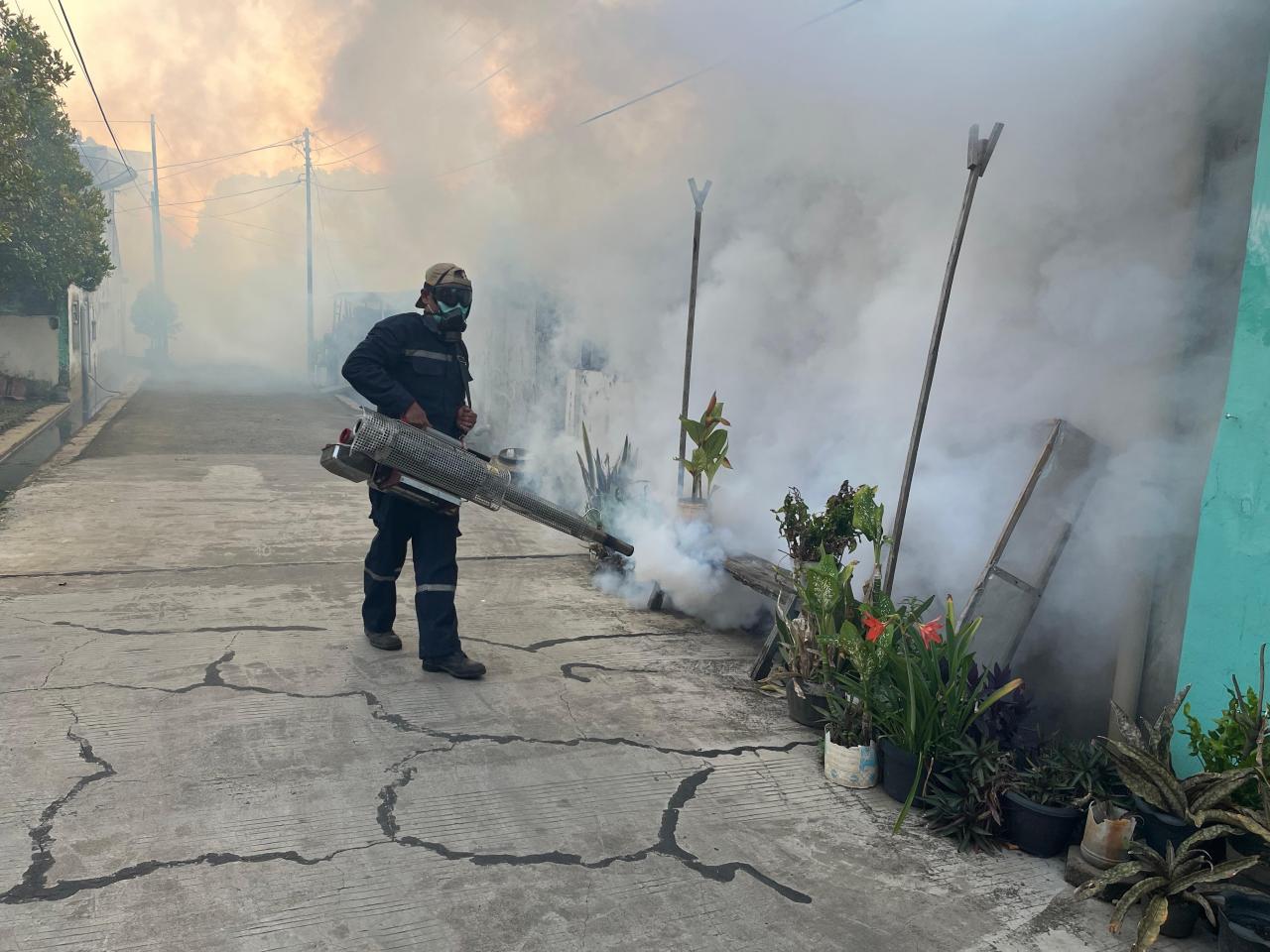
Most hotels in Lombok carry out mosquito fogging regularly to prevent breeding. Consider having your home and garden fogged, which will also protect you and your family against dengue and other mosquito-borne diseases.
Local pest control companies offer solutions for private homes and villas including weekly and monthly fogging packages at reasonable prices.
By taking these steps, we can all contribute to a safer and healthier environment for everyone.
* This article is for informational purposes only and is not intended to be a substitute for professional medical advice, diagnosis, or treatment.