COOL AND HISTORIC … SURANADI
With the lovely mild weather in Lombok now, it’s a good time to take some road trips. One of our favourite areas is amongst the cool foothills of Narmada in West Lombok. The areas of Lingsar and Suranadi are only about 40 kms from Mataram and less than an hour’s drive from Senggigi.
From Senggigi, drive to the intersection at Kebon Roek market near Ampenan, turn left and continue along that road straight through the round-about at the old Selaparang Airport, and along Jalan Jendral Sudirman (the road east of the airport).
Even though it’s close to the cities, after the intersection at Rembiga the urban sprawl quickly opens out to rice fields, roadside plant nurseries, fish breeding farms and lesehan – where you can stop and have a meal of fresh water fish served on shady platforms over the fish ponds.
Continue travelling about 10km further east from Rembiga, where there is a major intersection with a sign pointing north to Lingsar. Turn left at the traffic lights and follow the road into the lovely rural area of Lingsar.
It is a very pleasant area for a drive, filled with small Hindu and Muslim villages, temples, rice fields, fish ponds, and large orchards growing Rambutan, Mangoes and other tropical fruits.
Famous Lingsar Temple is located 3km from the intersection and is an interesting place for a stop; otherwise continue along this road until you come to a three-way intersection, sign-posted to Suranadi.
Turn right and within a few hundred metres you will see Pura Suranadi on the left side of the road.
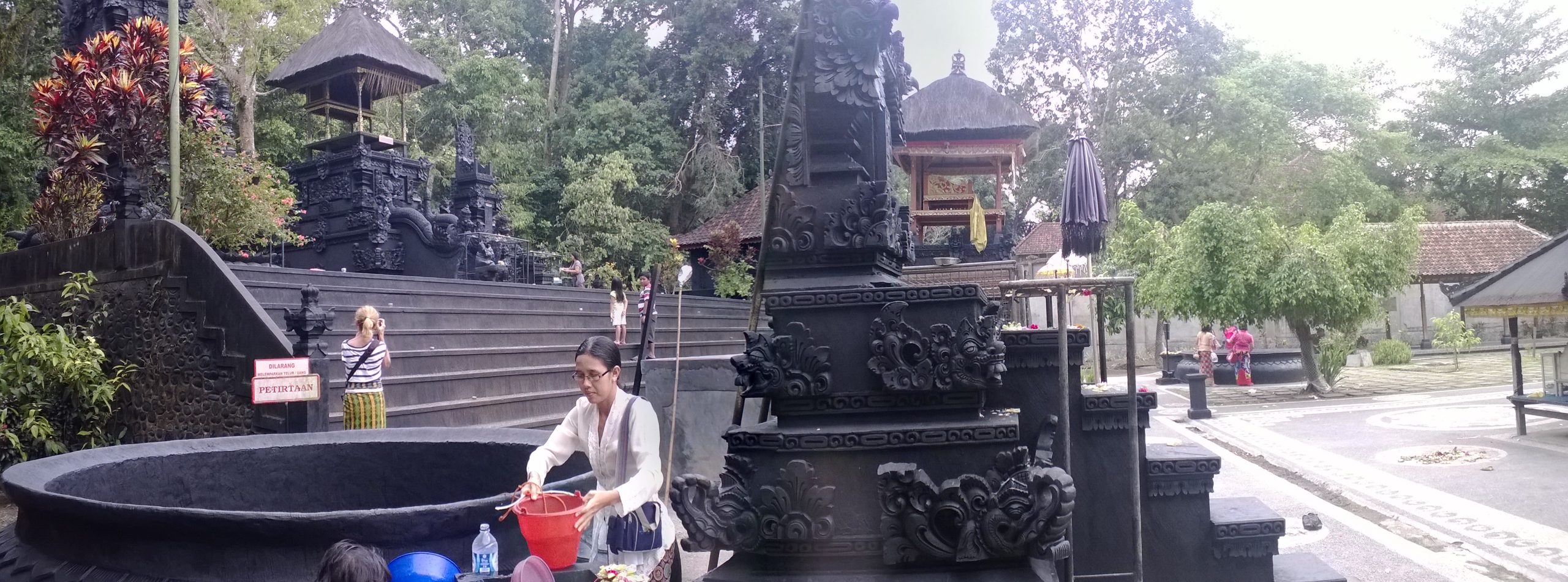
Pura Suranadi (Suranadi Temple) is a beautiful complex of temples founded in the early 16th century by Javanese priest, Dang Hyang Nirartha (also known as Bhatara Sakti Wawu) during his pilgrimage to this peaceful valley.
The priest discovered this holy place and lived there for a year, establishing friendships with the Sasak people and teaching the Hindu religion to the Wektu Telu communities in West and North Lombok.
Pura Suranadi is the oldest and holiest of the Balinese temples in Lombok and is a holy pilgrimage site for Hindus. There are three temples within the complex and the site is built on the meeting place of five springs, known as Panca (Five) Tirtha (Spring), each of which plays a significant role in temple ceremonies for Hindu’s in Lombok.
The name Suranadi derives from two words: Sura (God) and Nadi (River); although “Suranadi” is also a word in the ancient Javanese language meaning “Heaven”.
The complex is actually separated into two areas, as the temple was once one large compound but was later divided by a road built during the Dutch occupancy of Lombok. To discover the other shrines, cross the road and continue down the laneway past the Suranadi Hotel.
In 1786, the temple complex was upgraded by Pedanda (Hindu Priest) Sakti Abah and has some beautiful examples of animist and ancient Hindu statues, as well as intricate carvings on the shrines and pavilions, although some of the decorations are more modern additions.
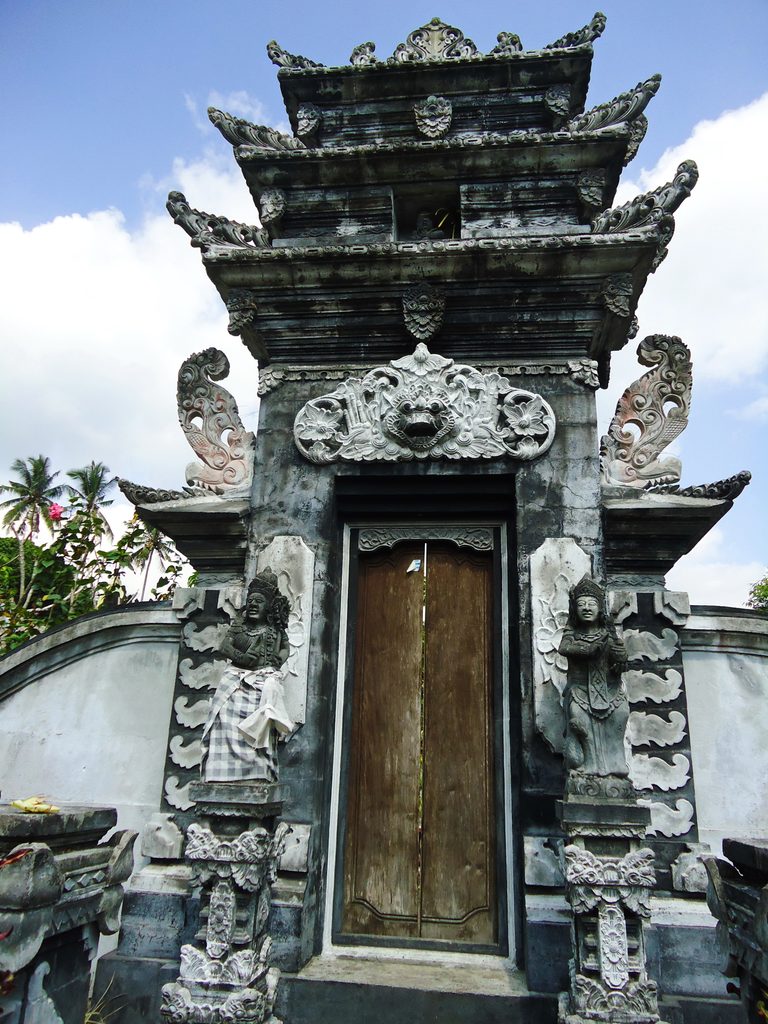
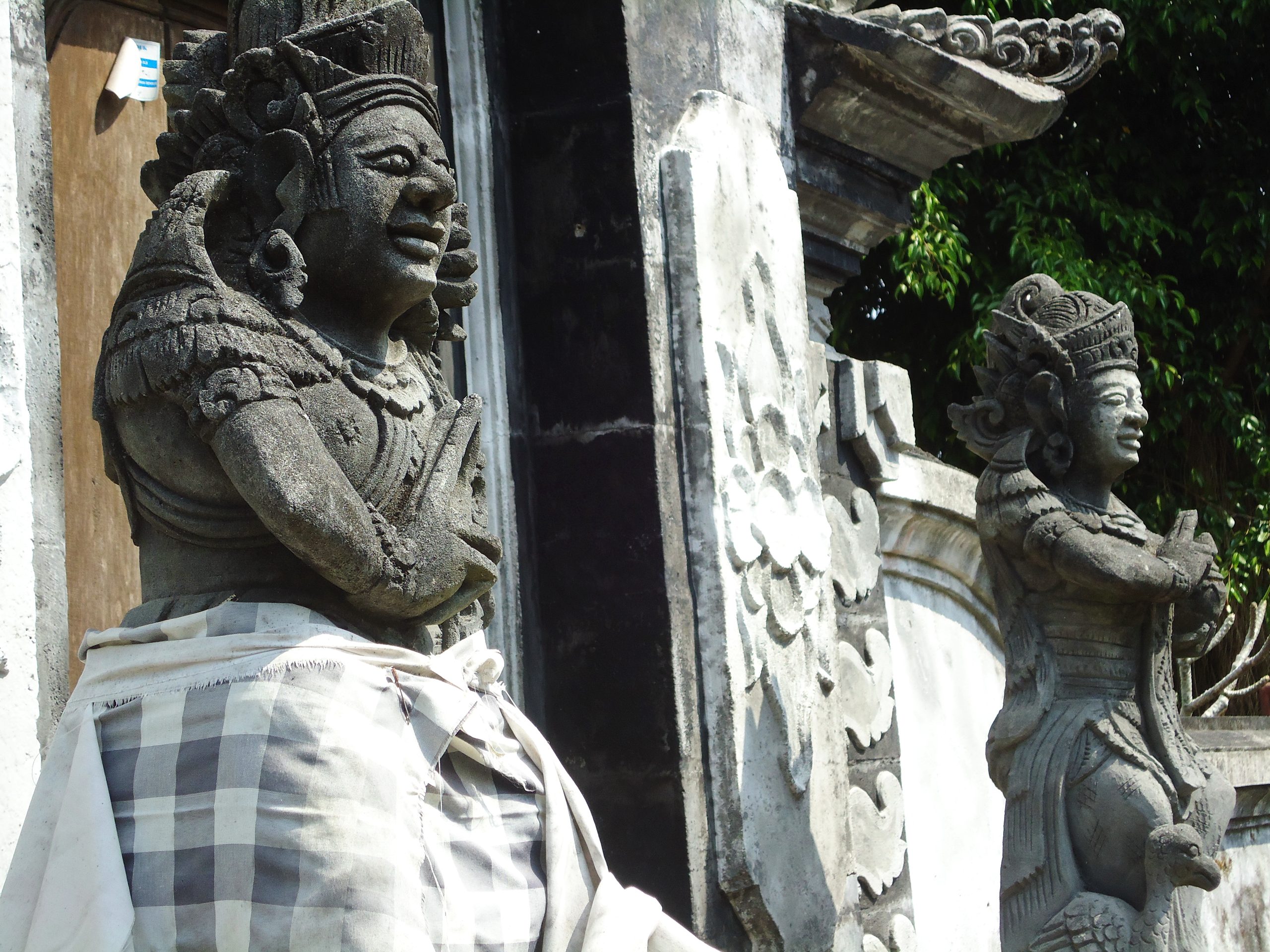
The complex houses the temples of Pura Majapahit and Pura Ulon, with beautifully carved ancient shrines, all surrounded by a backdrop of tropical forest, as it borders the Suranadi Nature Reserve. Monkeys play in nearby trees and clamber up the steps of the temples, raiding food from the offerings placed there.
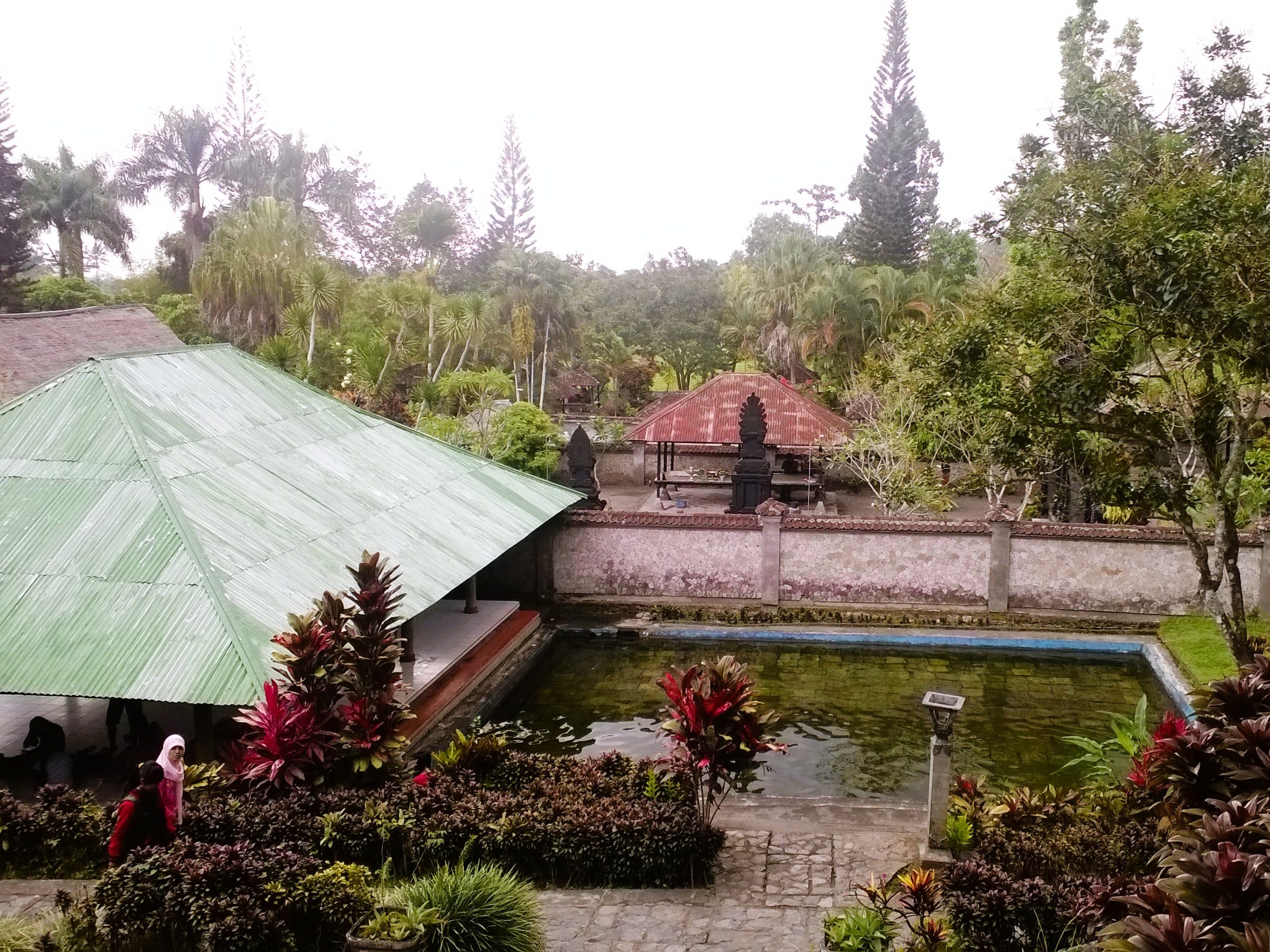
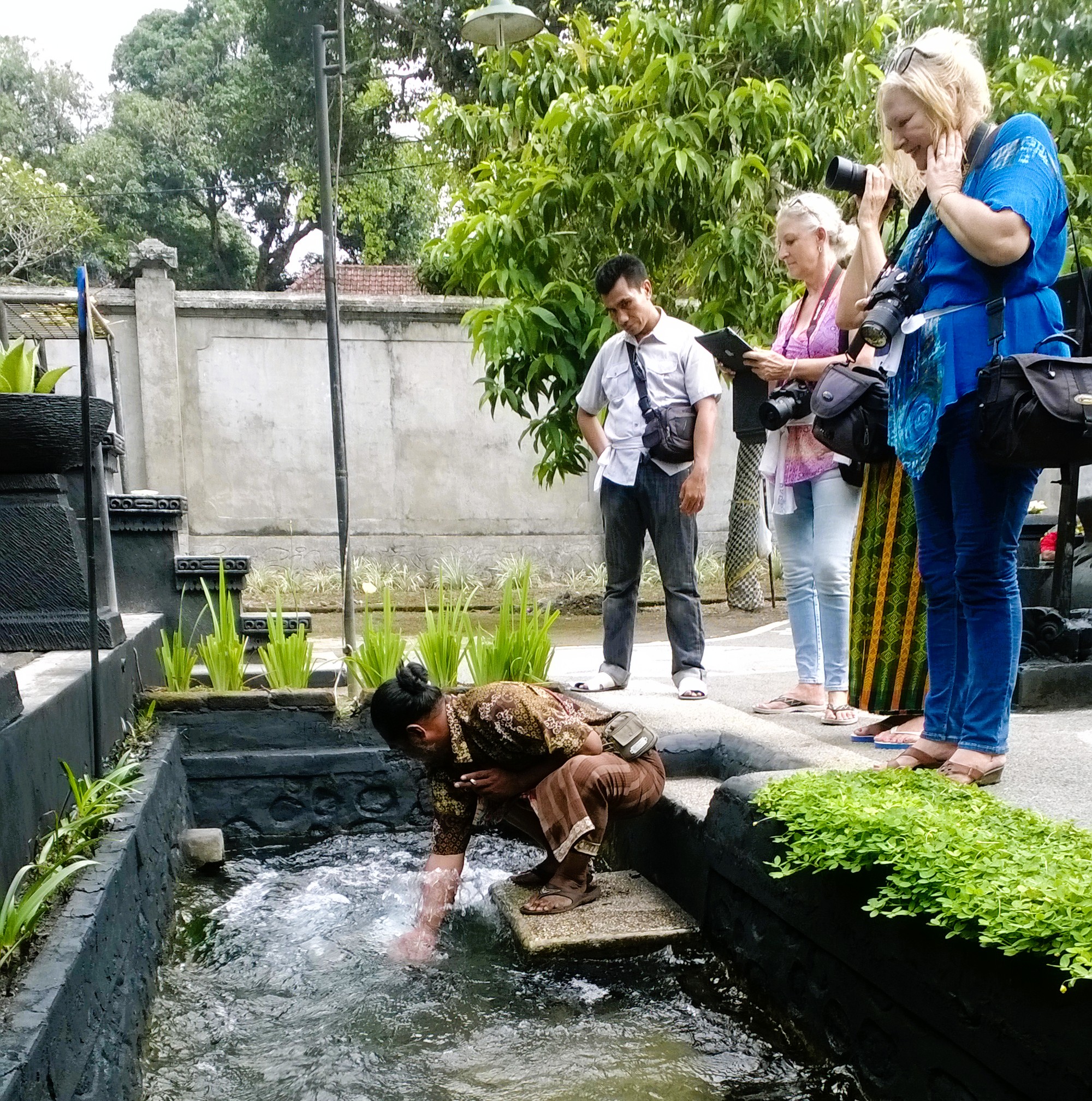
Underground springs bubble up into pools and restored baths; the pure water is used for rituals and cleansing. Locally, Suranadi is regarded as the place to obtain the “proper” holy water used in Hindu cremations.
Huge sacred eels live in the pools and streams here and can sometimes be lured out with an offering of boiled eggs (purchased at a nearby stall). To see a sacred eel is believed to be very lucky! The eels are considered holy and it is taboo to eat them or to contaminate their water.
Admission to the temple is by donation and visitors are requested to wear a sarong and sash (available at the admission booth). There are usually Hindus using the temples, praying and making offerings… please respect their space by not intruding or disrupting their devotions.
Across the road from the temple is a market with a number of lesehan (small cafes) selling local food, as well as many stalls selling snacks such as Dodol – a popular sweet made from dried fruits, such as jackfruit, papaya and durian.
The lesehan are very popular with locals and are usually crowded on the weekend. Make yourself comfortable on a mat on the floor and order Sate Bulayak (a type of Beef Satay famous in Lombok), Ayam Bakar (Grilled Chicken) and other local delicacies for lunch.
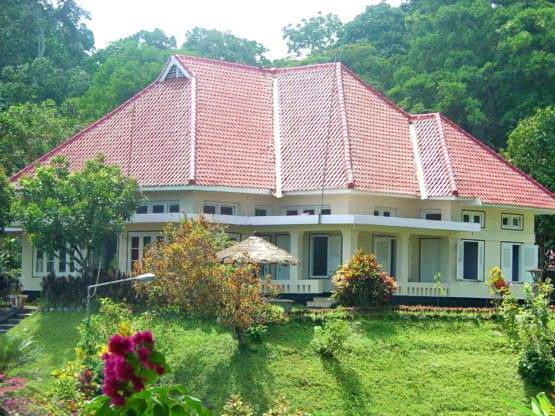
Also opposite the temple is the old Suranadi Hotel – one of the oldest hotels in Lombok. It was built in the 1930’s by L Frantzman, an employee of the Nederlands Indische Bank, as a semi-permanent home on the edge of the jungle.
The building was used as a resting place and a guest house for Dutch visitors from 1932 till arrival of Japanese troops in 1942. Later ownership reverted to the government and the home was developed as “Hotel and Restaurant Suranadi”.
Set in lovely grounds with a variety of native plants, the hotel features interesting colonial architecture and has a restaurant. The rooms are basic but comfortable and the hotel makes a good base for a night or two if you want to explore the area.
The large swimming pool here is lined with river rocks and fed by fresh water springs… freezing cold but very refreshing!
Also in Suranadi, on the main road just before the temple, is Taman Suranadi, a protected nature reserve.
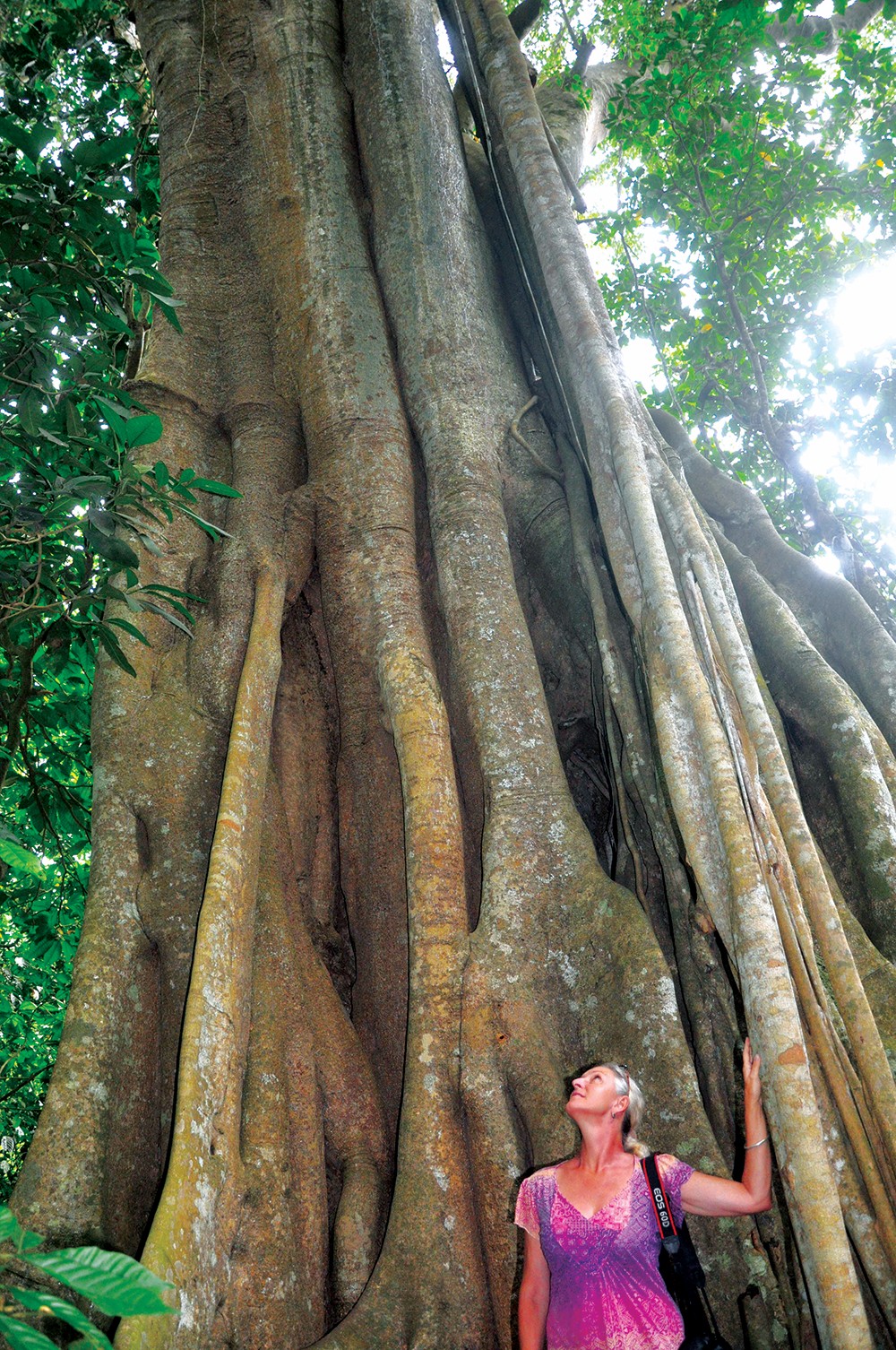
Although not well maintained, it is still interesting to stroll through the botanical garden with labelled specimens and follow paths through the towering trees to observe birds, monkeys and other native flora and fauna in their natural habitat.