CHINESE NEW YEAR ON LOMBOK… Celebrating Diversity!
Chinese New Year is on Wednesday, 29 January this year, and the Chinese community in Lombok will be celebrating as we bid goodbye to the Year of the Dragon and welcome the Year of the Snake!
2025 is specifically the year of the Wood Snake. According to Chinese culture, the snake, combined with the earthy qualities of wood, brings growth, introspection, resilience, and forward-looking energy.
This year may be the time to focus on personal growth, relationship building, and the steady pursuit of long-term goals; making it an auspicious time for reflection and thoughtful action. Chinese New Year (also called the Spring Festival or Lunar New Year) is the most important of the traditional Chinese holidays.
The festival begins on the first day of the first new moon in the Chinese lunar calendar (on 29 January) and ends on the full moon, fifteen days later, with the Lantern Festival (on 12 February this year).
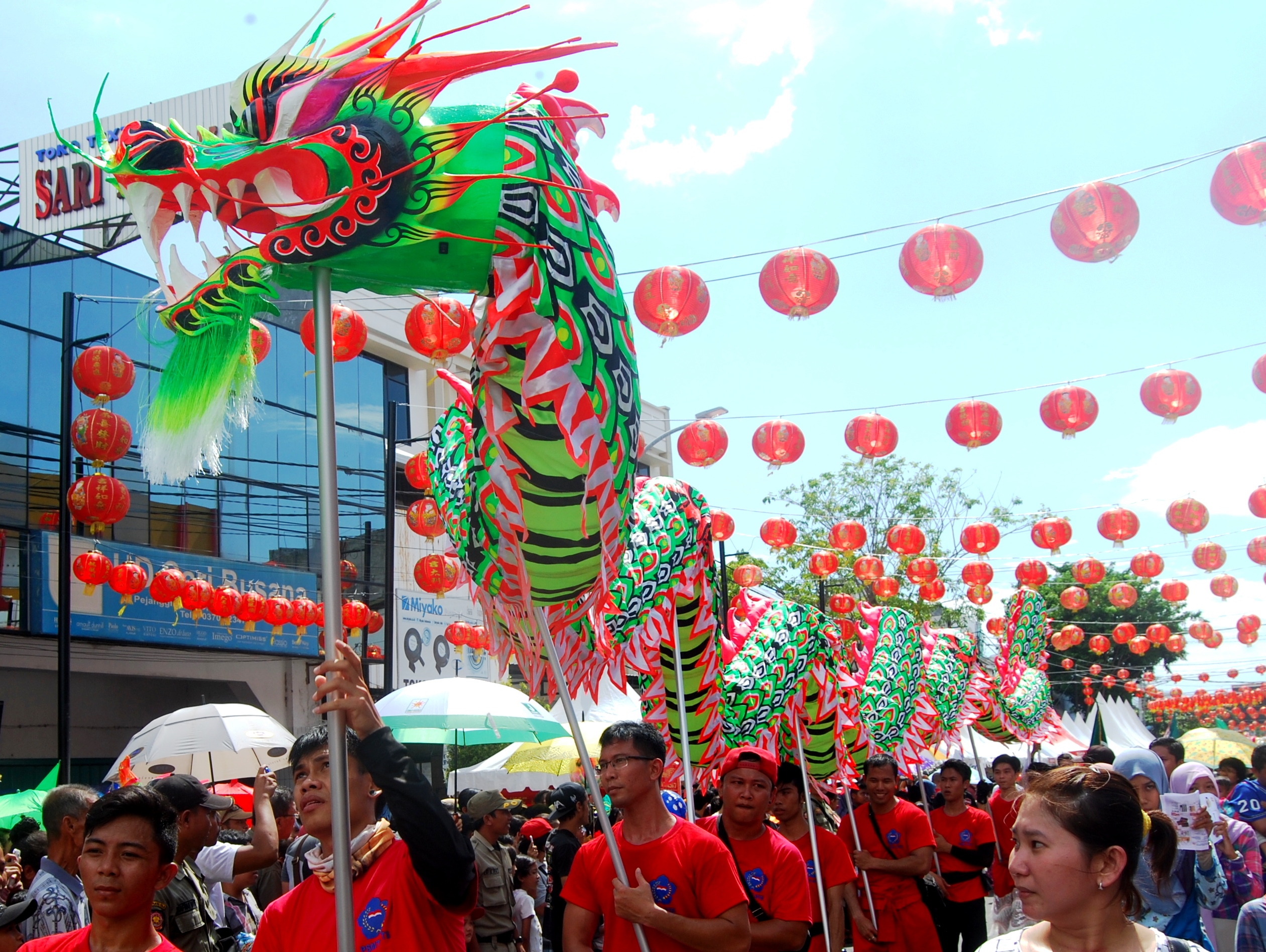
On the night of the Chinese Lantern Festival, streets are decorated with colourful lanterns, often with riddles written on them. People eat sweet glutinous rice balls called tangyuan, watch dragon and lion dances, and set off fireworks to celebrate.
Many Indonesian people believe that Chinese New Year heralds the start of the rainy season.
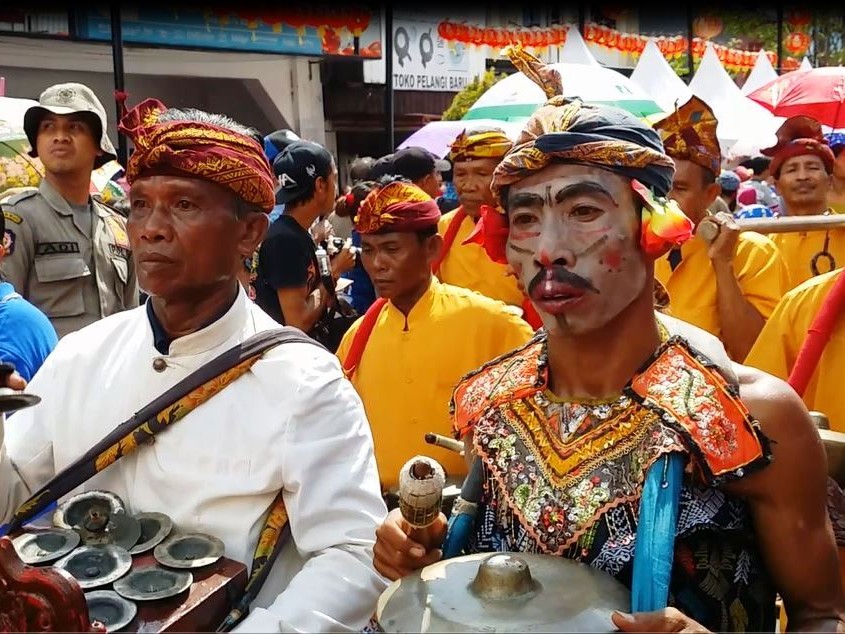
Chinese New Year is called “Imlek” in Bahasa Indonesia and celebrations incorporate customs and beliefs brought to Indonesia by Chinese immigrants, who still follow the practices handed down by their grandparents.
Lombok is a multicultural society and there are more than 10,000 people of Chinese descent living here, who play a vital role in commerce and trade on the island.
They originate from many areas of China, with the majority being Hakka and Hokkien from Guangdong, and practice a number of religions including Buddhism, Taoism, Confucianism, as well as being Catholic and Protestant.
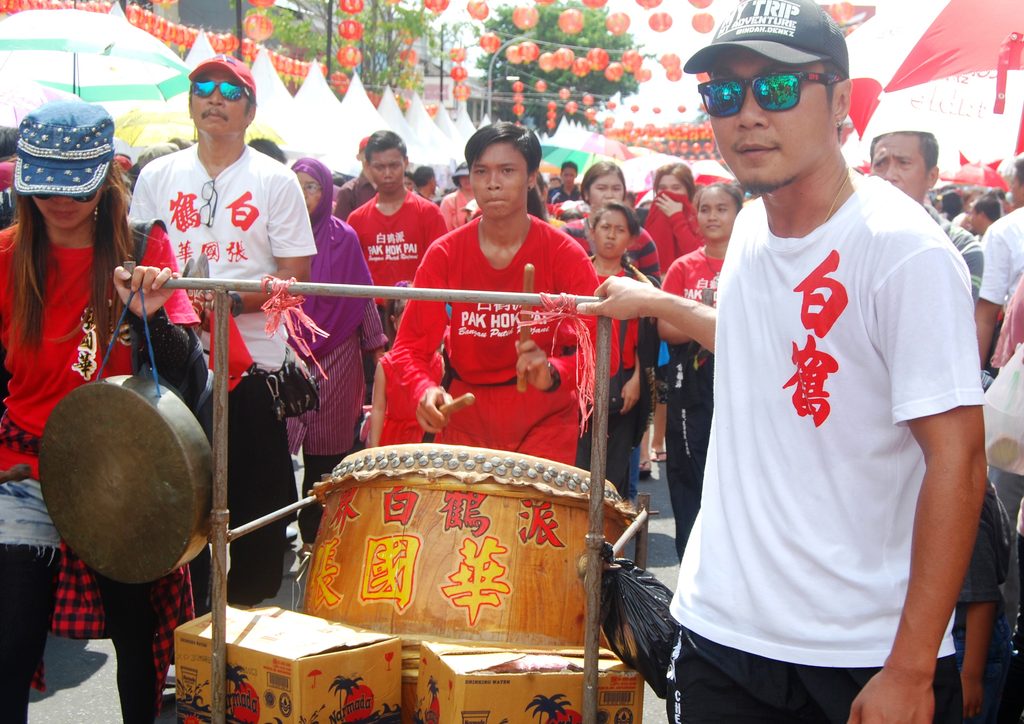
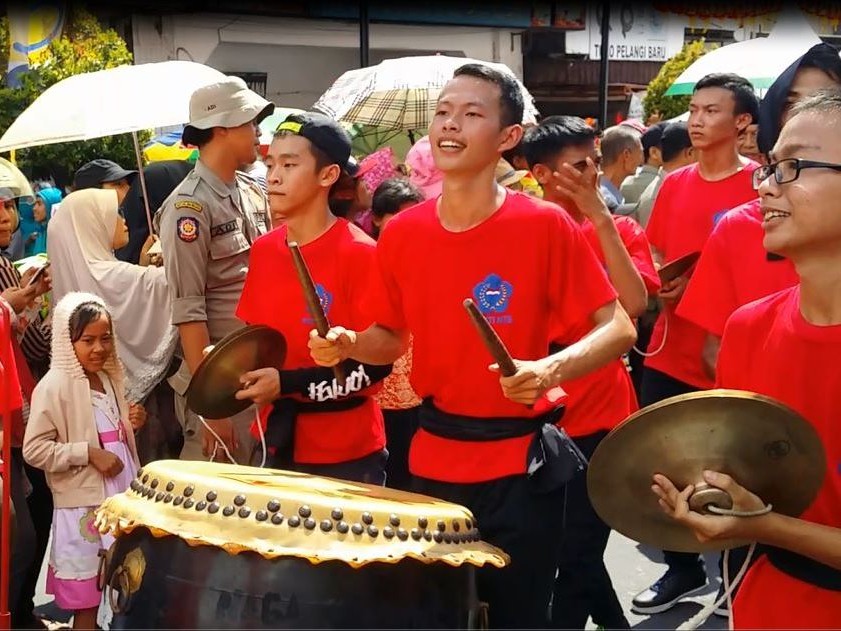
In Lombok, Chinese New Year celebrations include visits to family, relatives and friends and sharing a special feast together, similar to celebrations in the west.
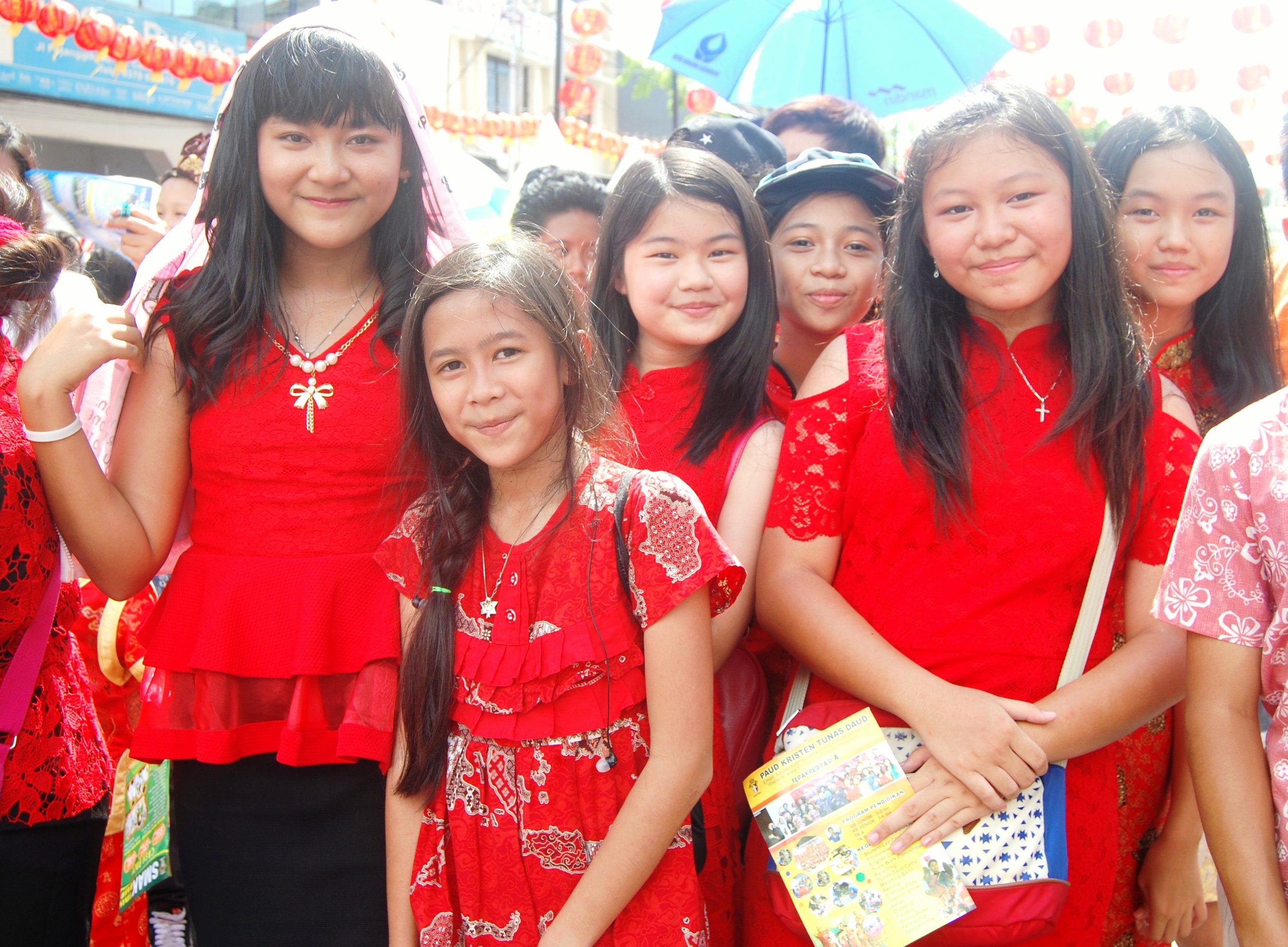
New clothing is usually worn to signify a new year and the colour red is liberally used in all decorations. In the cities, you will see red lanterns and banners hanging up in Chinese-owned stores.
On the days before the New Year celebration, Chinese families give their home a thorough ‘spring clean’. It is believed that the cleaning sweeps away the bad luck of the preceding year and makes their homes ready for good luck to enter.
The most important event is the dinner every family will host on the night before Chinese New Year. A reunion dinner is held on New Year’s Eve, where members of the family from near and far get together for the celebration.
Red packets, called Ang Pau, are traditionally distributed during Imlek, especially to children. These packets contain money in certain numbers that reflect good luck and honour. The number 4 is considered bad luck and the number 8 is considered lucky.
The people of China have a long held belief that they are descendants of the dragon; a tradition that is firmly embedded in their culture and one that is encountered across all aspects of Chinese society and in the minds of its people. The dragon is held in high esteem for its dignity and power for good.
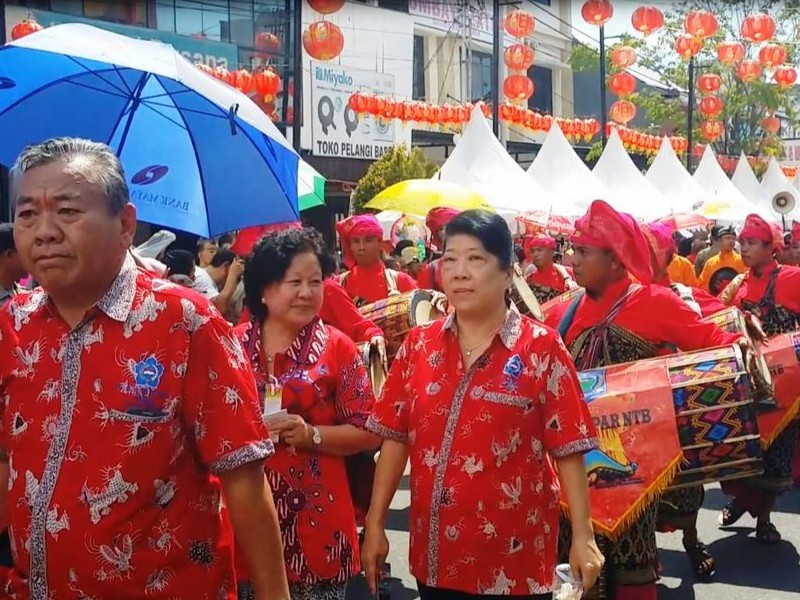
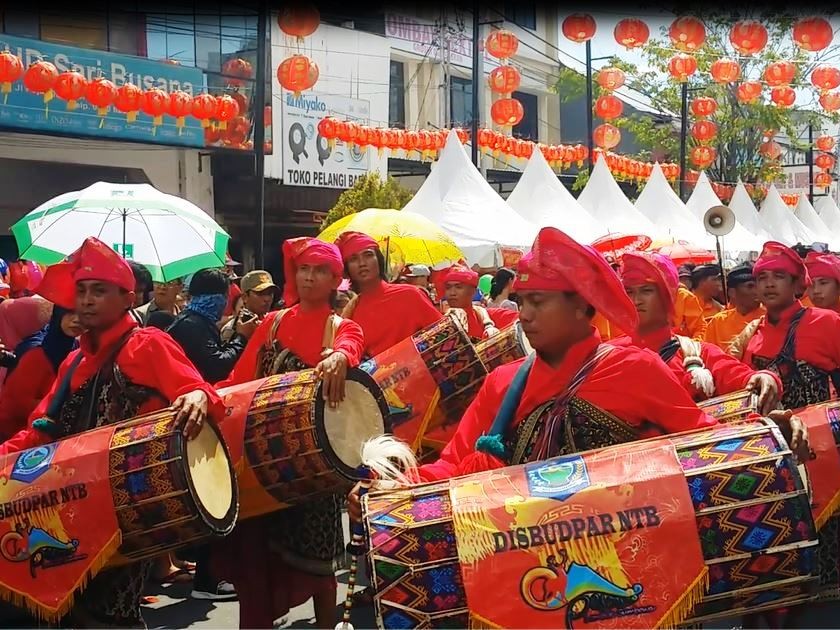
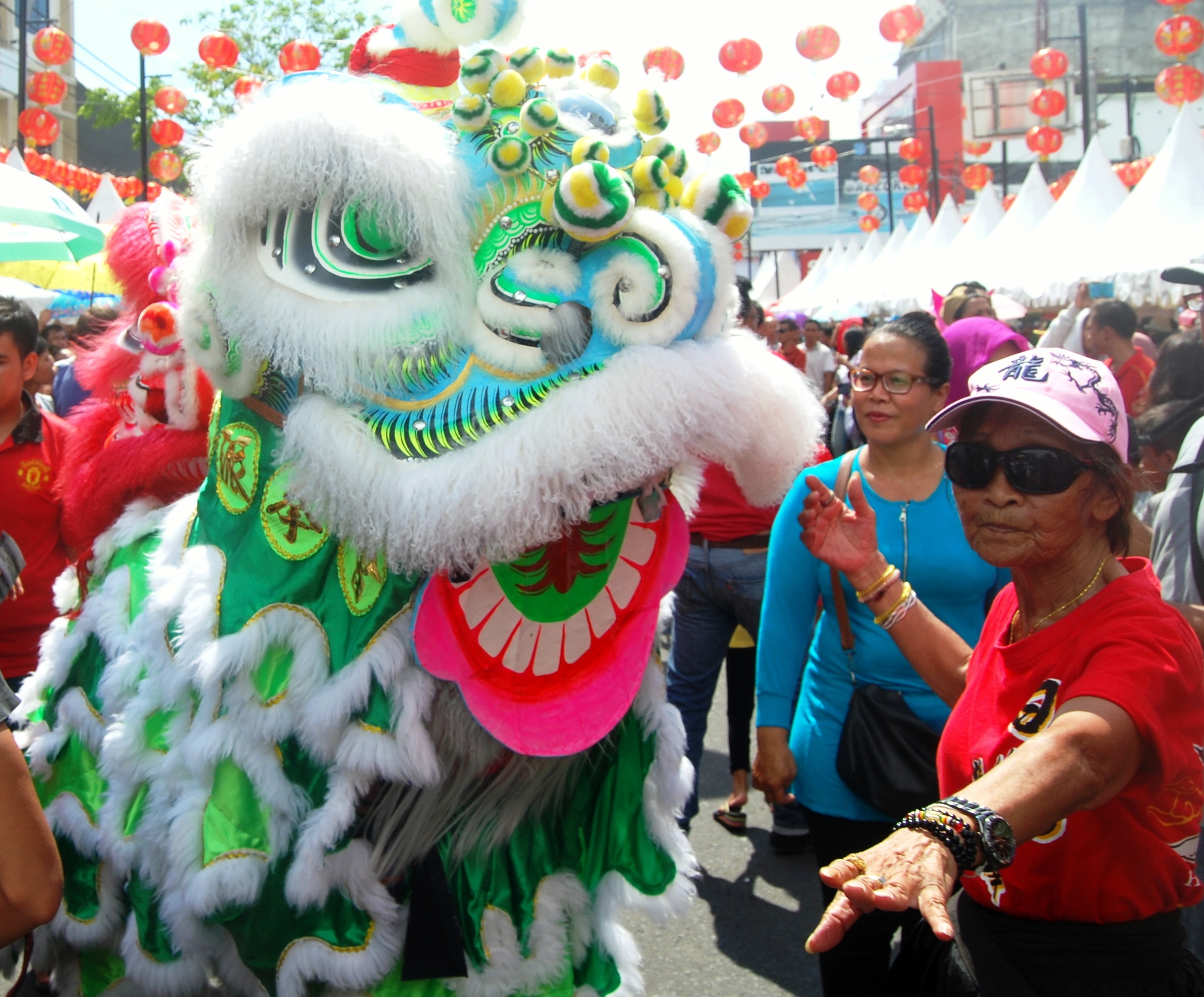
The most vibrant and spectacular way of expressing fondness for the dragon is the Dragon Dance or the Lion Dance (locally known as Barongsai).
This has evolved from what was once a ritual rain dance into a popular entertainment during Chinese New Year celebrations, performed to bring good luck and prosperity in the new year.
It is believed that the loud beats of the drum and the deafening sounds of the cymbals, together with the dragon dancing aggressively, can drive away bad or evil spirits.
It is considered lucky to give Ang Pau to the dancers, so you will often see people placing the red envelopes into the mouth of the lion or dragon during the parades.
Chinese New Year Events: Many hotels and restaurants will also celebrate the Lunar New Year by hosting Chinese New Year dinners and adding special Chinese dishes to their menus; some entertain guests with dragon dances and traditional entertainment.
Check with local hotels and restaurants in the week before Chinese New Year to see if they have any special celebrations planned.