MOUNT RINJANI…
Lombok’s Sacred Volcano
Lombok is home to many natural attractions, most notably the world-famous volcano, Mount Rinjani, located on the northeast of the island. Rinjani soars 3,726m above sea level and is the second highest volcano in Indonesia, annually attracting hundreds of thousands of trekkers and climbers to Lombok.
Particularly at this time of the year, during the European holidays and Lombok’s “high season”, visitors from around the world come to Lombok to climb Gunung Rinjani – either to its awe-inspiring crater lake, or to the demanding summit with its panoramic views across the ocean to Gunung Agung, Bali’s famous sister volcano. Gunung is Bahasa Indonesia for “mountain”.
The two volcanoes create a visual connection for Balinese Hindus living on Lombok and, historically and culturally, Gunung Rinjani has important significance to Lombok’s Sasaks and Balinese, Muslim and Hindu alike, and is considered a “Home of the Gods”.
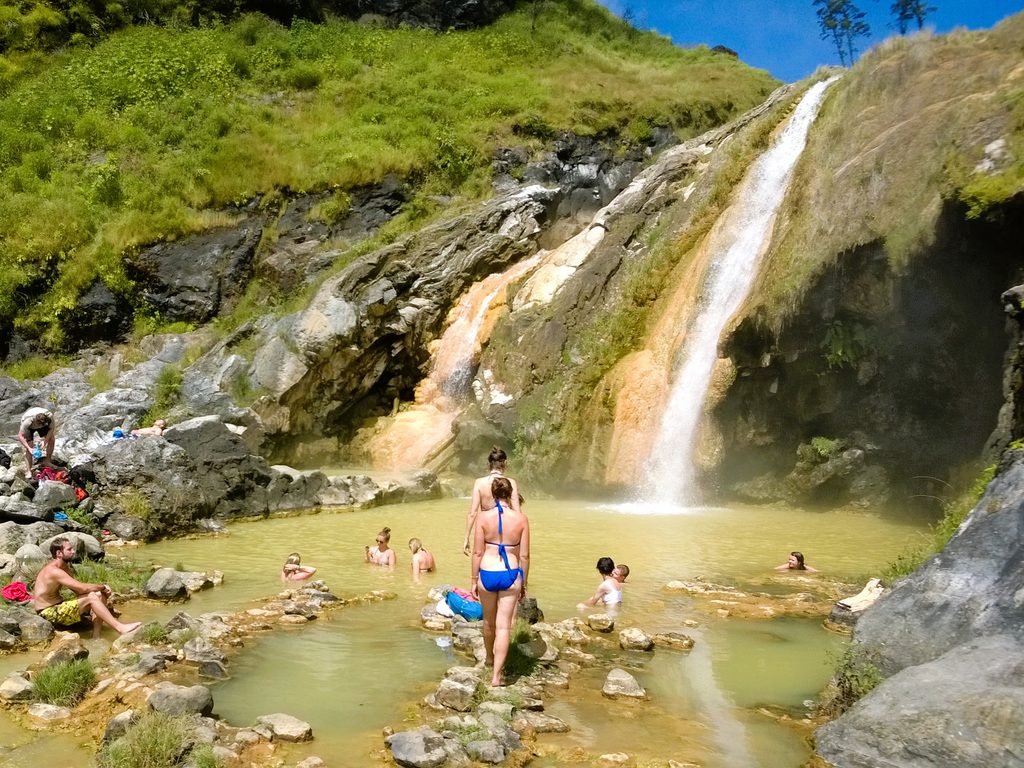
Pilgrimages are often made to the mountain, and many people visit the volcano to pray, and bathe in the pools and hot springs, which are said to have healing powers.
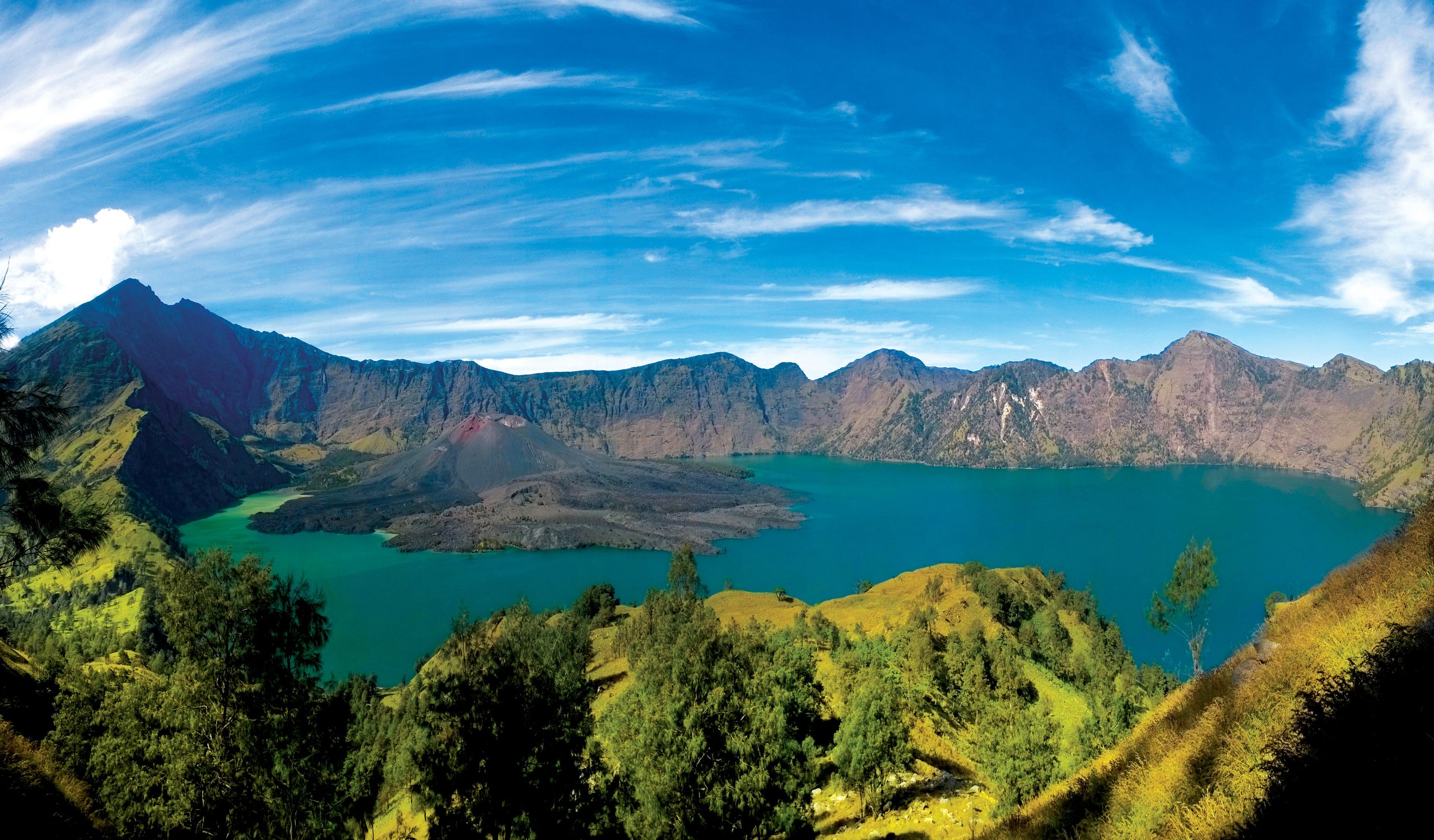
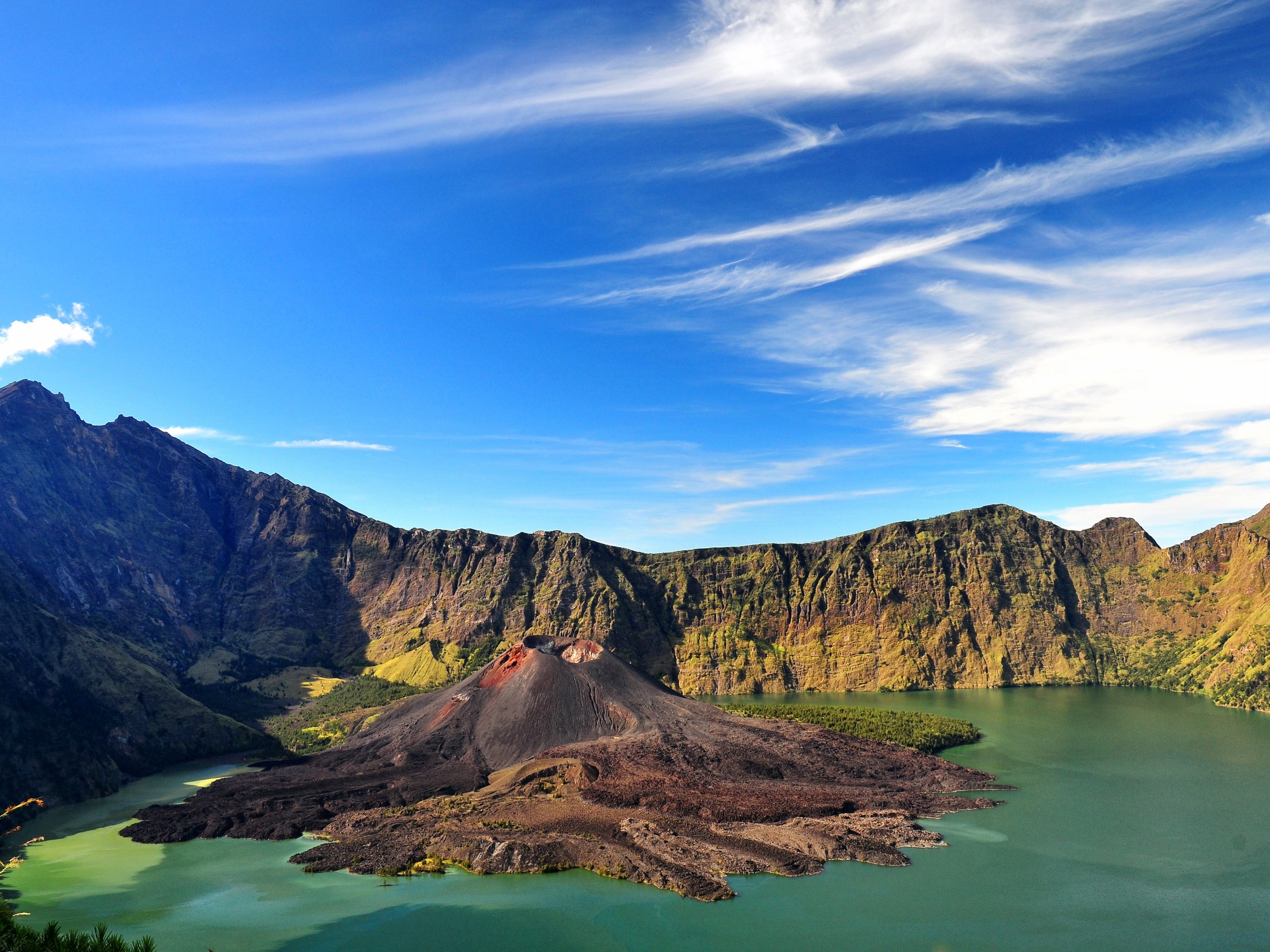
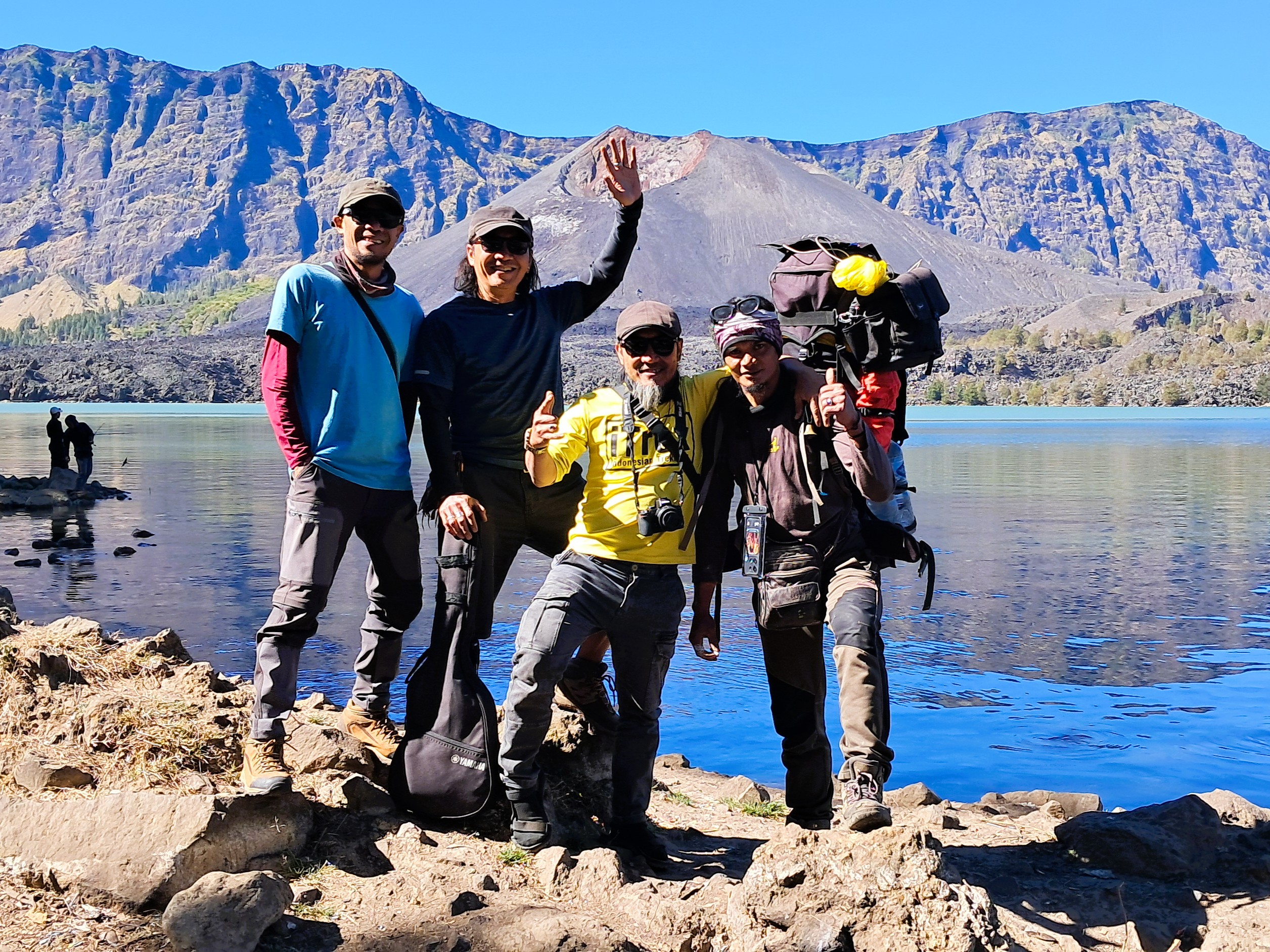
The huge caldera near the top of the volcano is around 4 kms wide and is almost filled by a beautiful crescent-shaped lake, Danau Segara Anak (Child of the Sea Lake). The lake is around 230m deep and contains plentiful fish, as well as being home to birds and other wildlife.
It is believed Rinjani, or Samalas as it was called back then, erupted in 1257 with one of the biggest volcanic eruptions in history. It has been estimated that the force needed to create the lake and the new cone would have been equal to around 300 Hiroshima-type atomic bombs.
The lake is stunningly beautiful and the volcanic cone of Baru Jari rising out of the lake is an awesome sight that inspires everyone who visits. There are a number of caves, small waterfalls and hot springs located around the volcano, most importantly Aik Kalak on the northeast of the crater, where the volcanically heated waters are said to cure illnesses, particularly skin diseases.
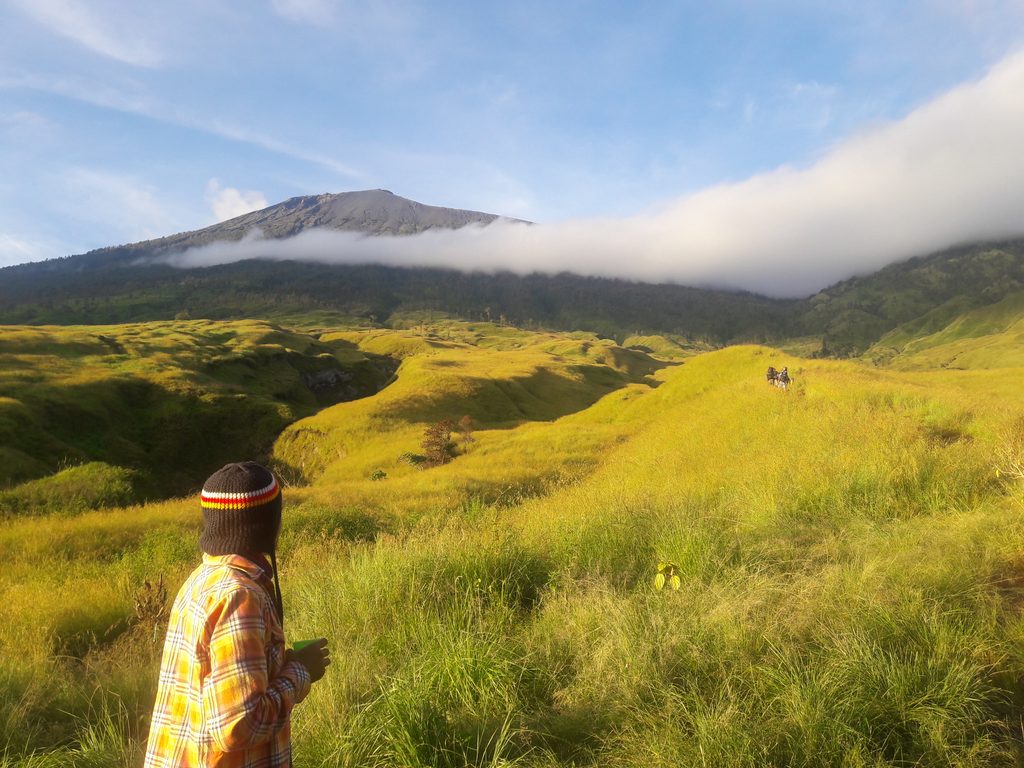
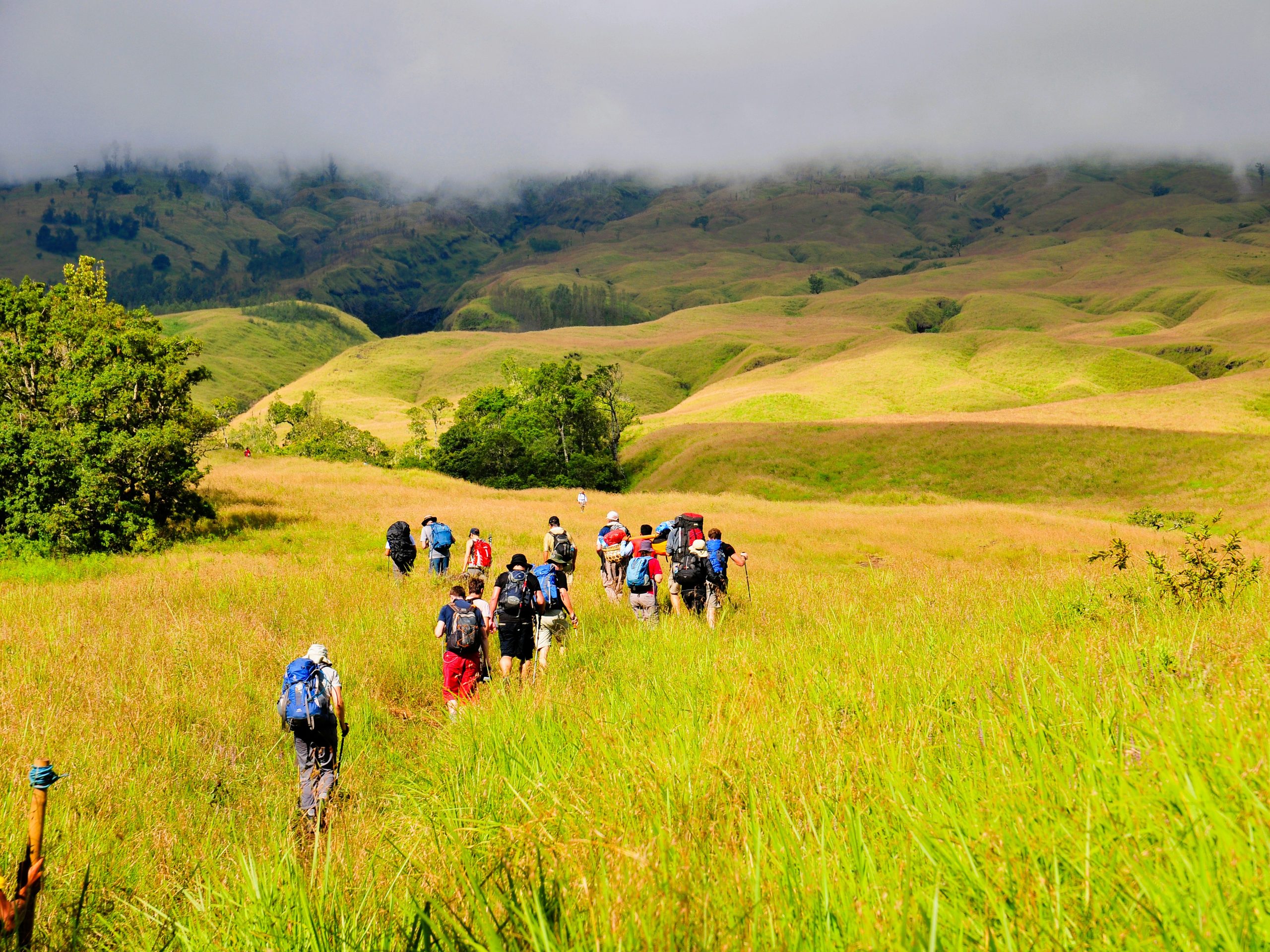
The Rinjani National Park is a nature reserve of 41,330 hectares surrounding the volcano and provides many opportunities for eco-tourism. The whole area is picturesque, featuring magnificent waterfalls, lush and accessible jungle trekking, and traditional villages, with plantations of tobacco and cashew nuts, grown alongside verdant rice terraces.
Native wildlife, including monkeys and tropical birds, live in the surrounding jungle, as well as abundant varieties of tropical plants and flowers. The two main starting points for climbing Rinjani are at Sembalun in East Lombok and Senaru in North Lombok. Both are picturesque mountain villages, with a range of accommodation available and trek centres that can organise your trek. Four other lesser-known entrances are from Torean, Timbanuh, Tetebatu, and Aik Berik.
There are a variety of different options for climbing Rinjani. Two-day, one-night treks are the shortest available, taking visitors to the crater rim, at around 2,700m asl, to view the wide crater and the emerald green lake within. Or to face the challenge of climbing Rinjani’s treacherous summit before descending the mountain again.
The most popular trek is the three-day, two-night option which allows trekkers to climb down into the crater and camp near the lake. This is an opportunity to immerse yourself in the unique atmosphere, eat fresh fish from the lake, and enjoy a soak in the hot springs to ease your aching muscles.
For many, the challenge is to reach the summit – a narrow, jagged shaft of rock jutting from the peak of the volcano.
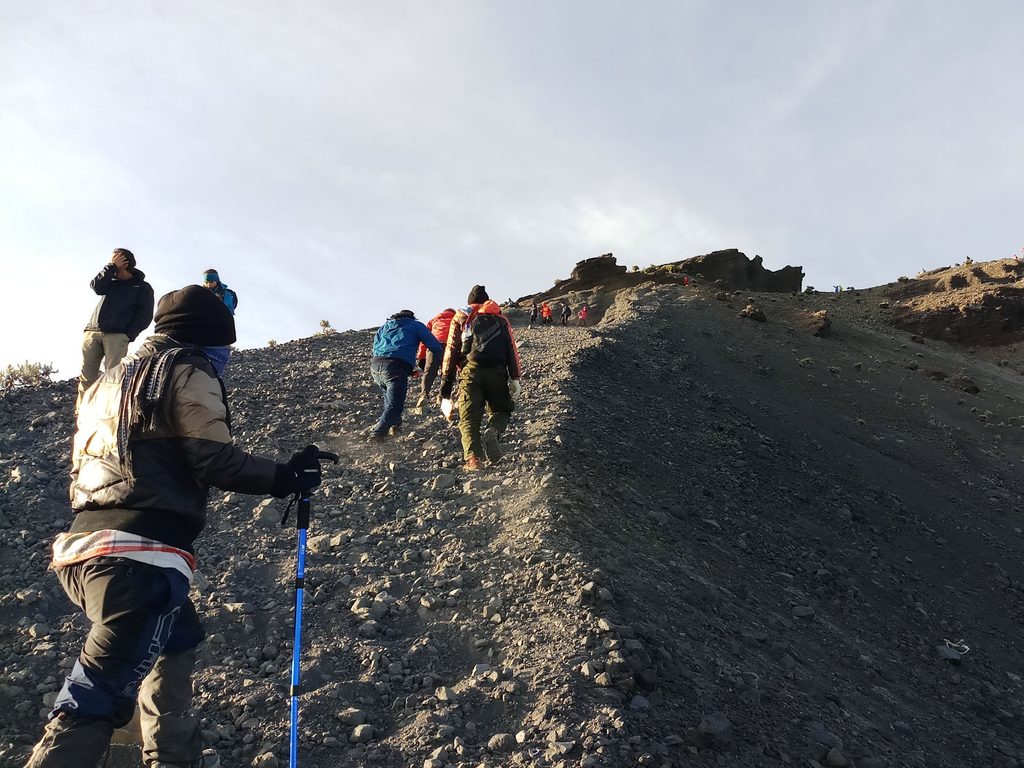
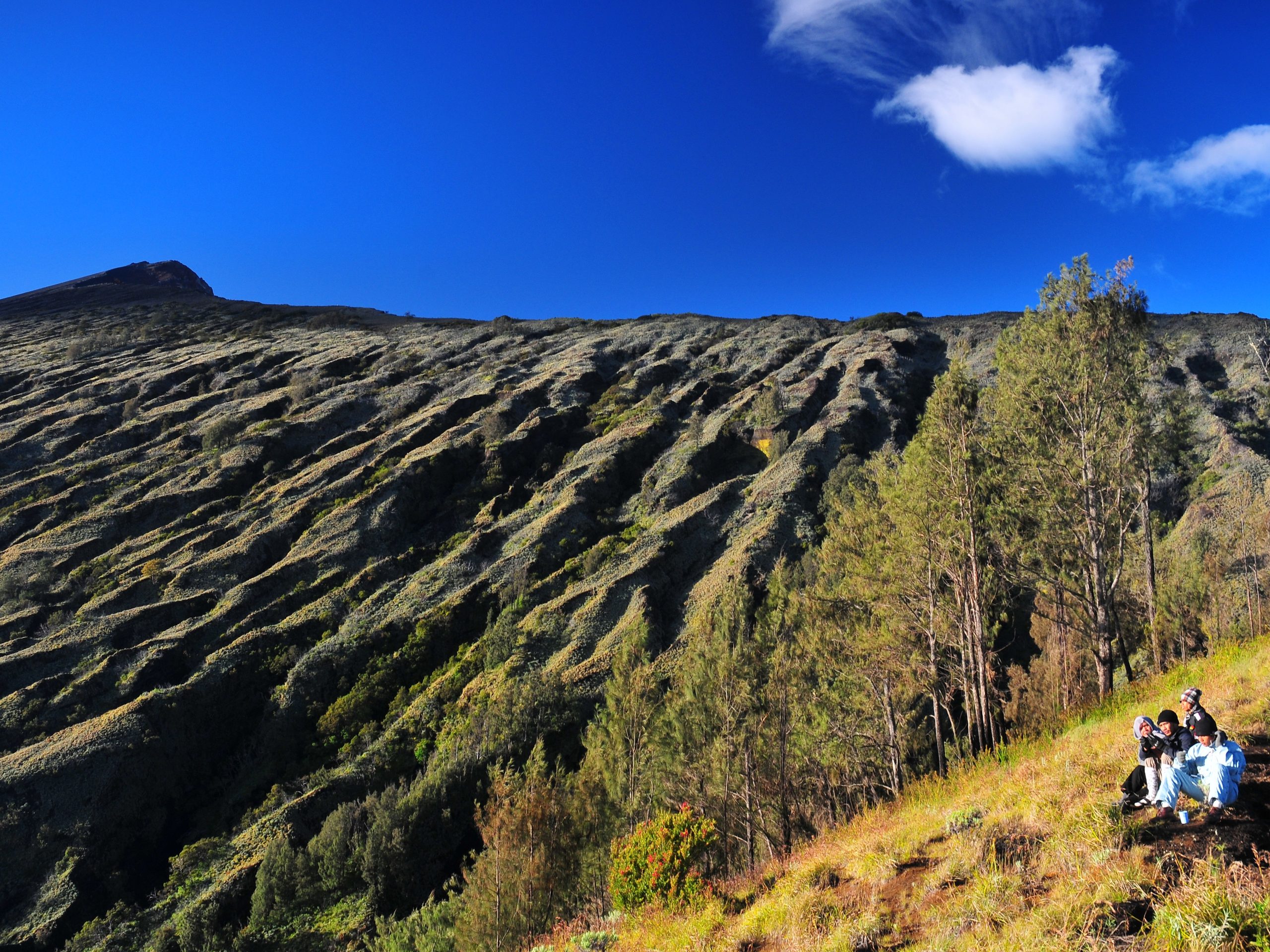
This is a demanding climb of just over 1,000m that starts in darkness early in the morning, in order to reach the peak by sunrise. Trails of people struggle up the steep and narrow path filled with volcanic rock and sand.
It’s often a case of one step up and one slide back, and only experienced and fit hikers should attempt the summit. Even then, less than half of the people climbing will actually make it – strong winds, and sometimes rain, as well as exhaustion and the effects of altitude force many to turn back.
Those that do achieve the summit are rewarded with a magnificent panorama from the highest point on Lombok – 360º views stretching as far as the eye can see, across the green fields and mountains of Lombok to the island of Sumbawa beyond, and across the sparkling ocean to the west studded with the Gili islands and Bali floating in the distance.
Trekking on the volcano is not for everyone. A certain level of fitness is needed and climbing to the summit is particularly strenuous. Rinjani is not a mountain to be casually climbed; she is a huge volcano with soaring peaks and deep ravines, some of which have never been explored. Altitudes of over 2,700m are reached on all these treks and, even on the equator, night time temperatures can be very cold, with strong winds and occasional rain.
The best time to climb Gunung Rinjani is in the dry season from around April to October, or before the rainy season starts. The sunny days and cooler temperatures make this time of the year the most comfortable for climbing, and enable the clearest views of the stunning scenery both on and around the mountain.
Tips for Trekking
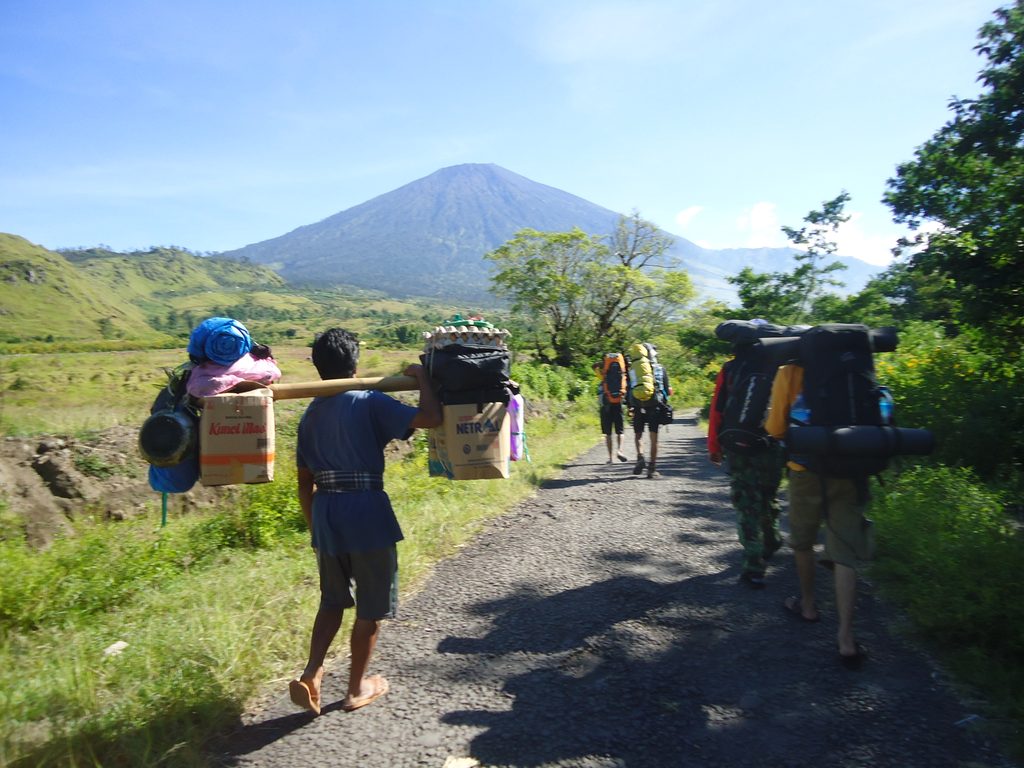
* Treks can be organised online or at tour agencies throughout Lombok. Typical treks include an experienced guide, porters to carry equipment, water, food and cooking utensils, and tents and sleeping bags.
* Always use a reputable trekking business and check that they have facilities to cope with emergencies. Read online reviews before booking.
* Never wander away on your own, even if you’re an experienced climber. A number of deaths and injuries have occurred on the mountain. Loose rocks and slippery paths are hazards.
* Don’t stand on the edges of paths and lookouts, or take selfies leaning off ledges. The sides can erode and give way underneath you.
* Use good quality, comfortable shoes and take a walking stick to help with the inclines.
* Make sure you have a warm jacket and enough clothes – it’s cold on the mountain.
* Check that your trekking company is supplying sleeping bags and blankets.
* Don’t try to save money by trekking on your own or using unauthorised guides. Licensed guides will have identification, and are experienced to handle your trek and the conditions on the mountain.
* Don’t carry valuables that aren’t essential to your trek.
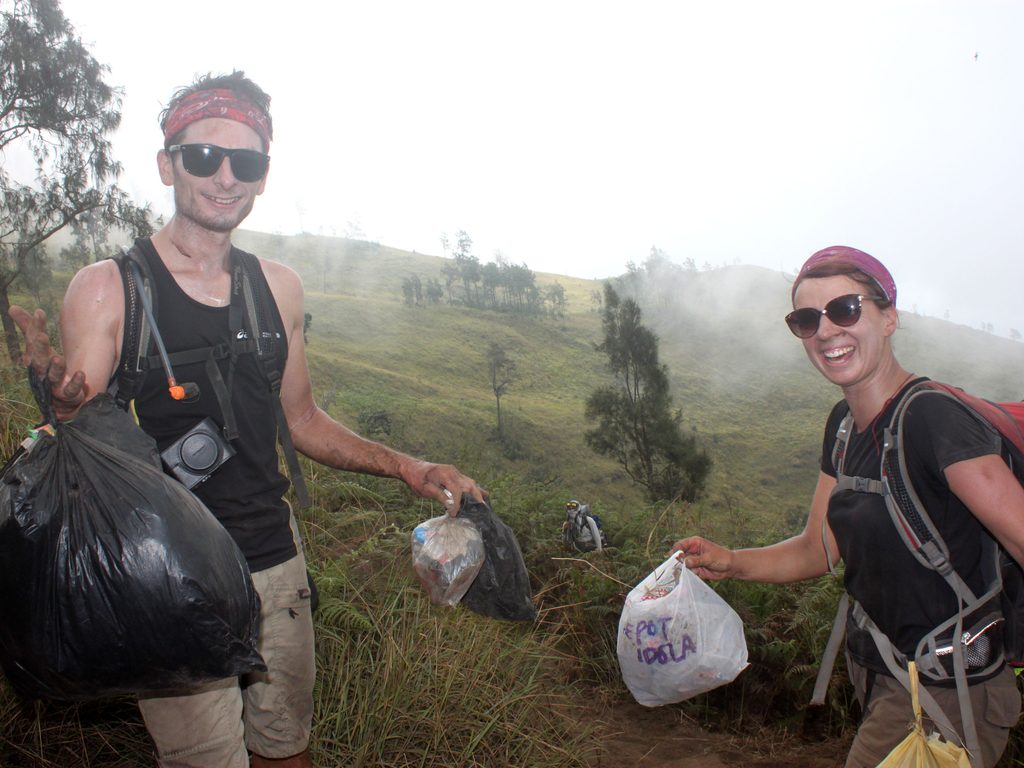
* Please respect this natural wonder. Don’t litter or leave anything on the mountain, except your footprints.